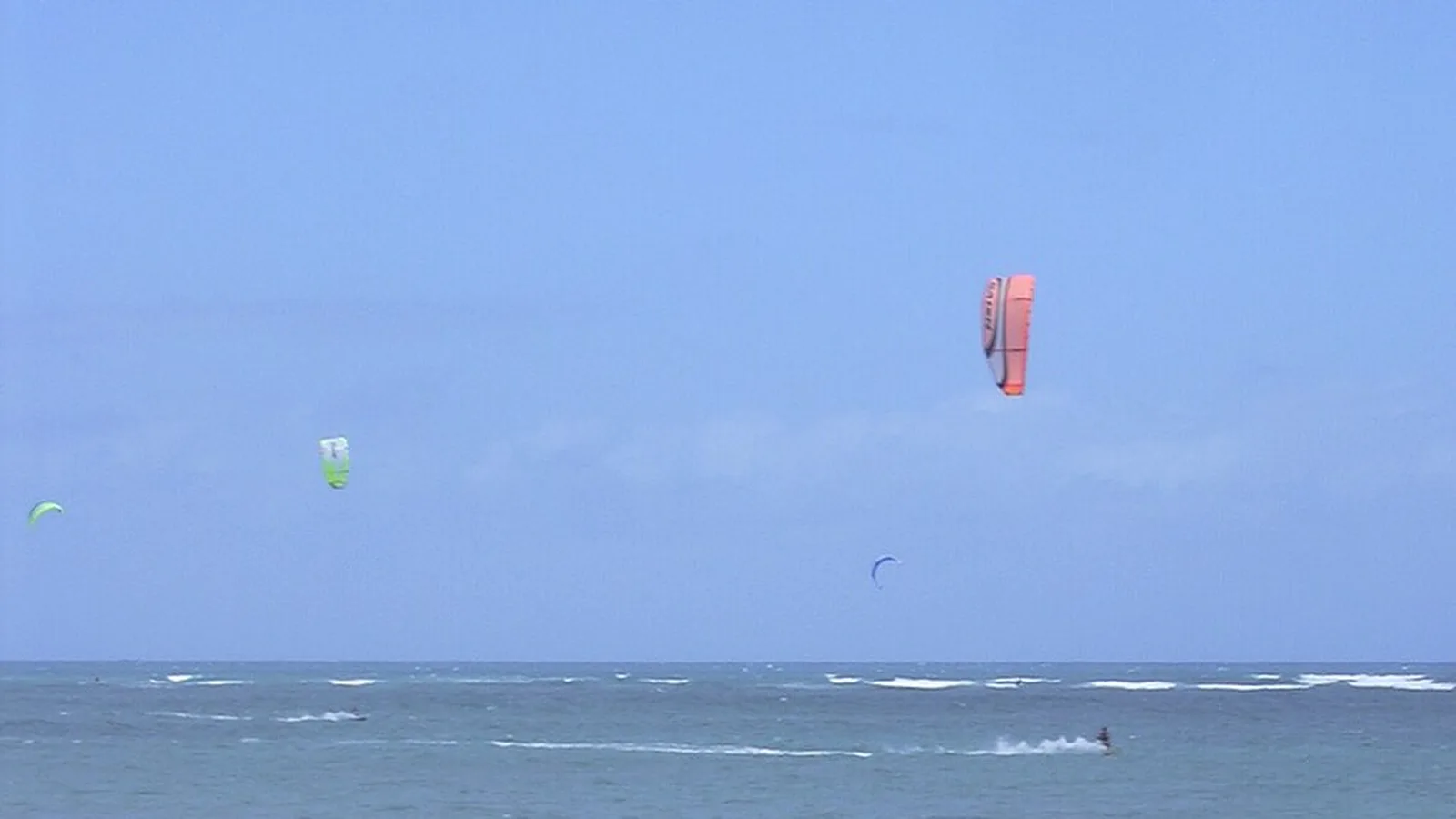
Where the wind is, when it blows, and which zones you can actually ride
Each page covers the wind and its season, how the spots differ from one another, and the access rules that actually apply — which in the US means federal, state and beach-by-beach, not one national rule.
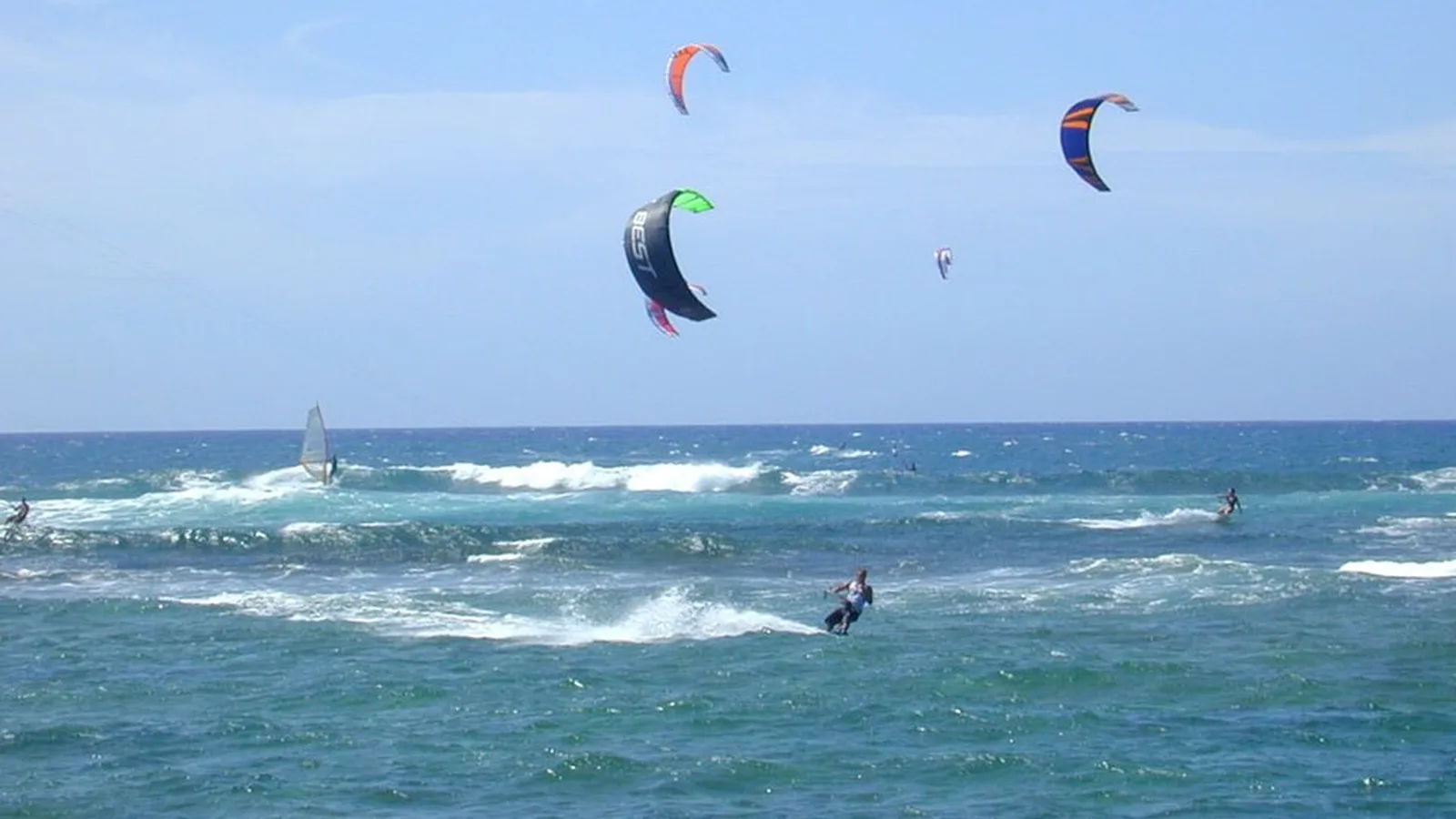
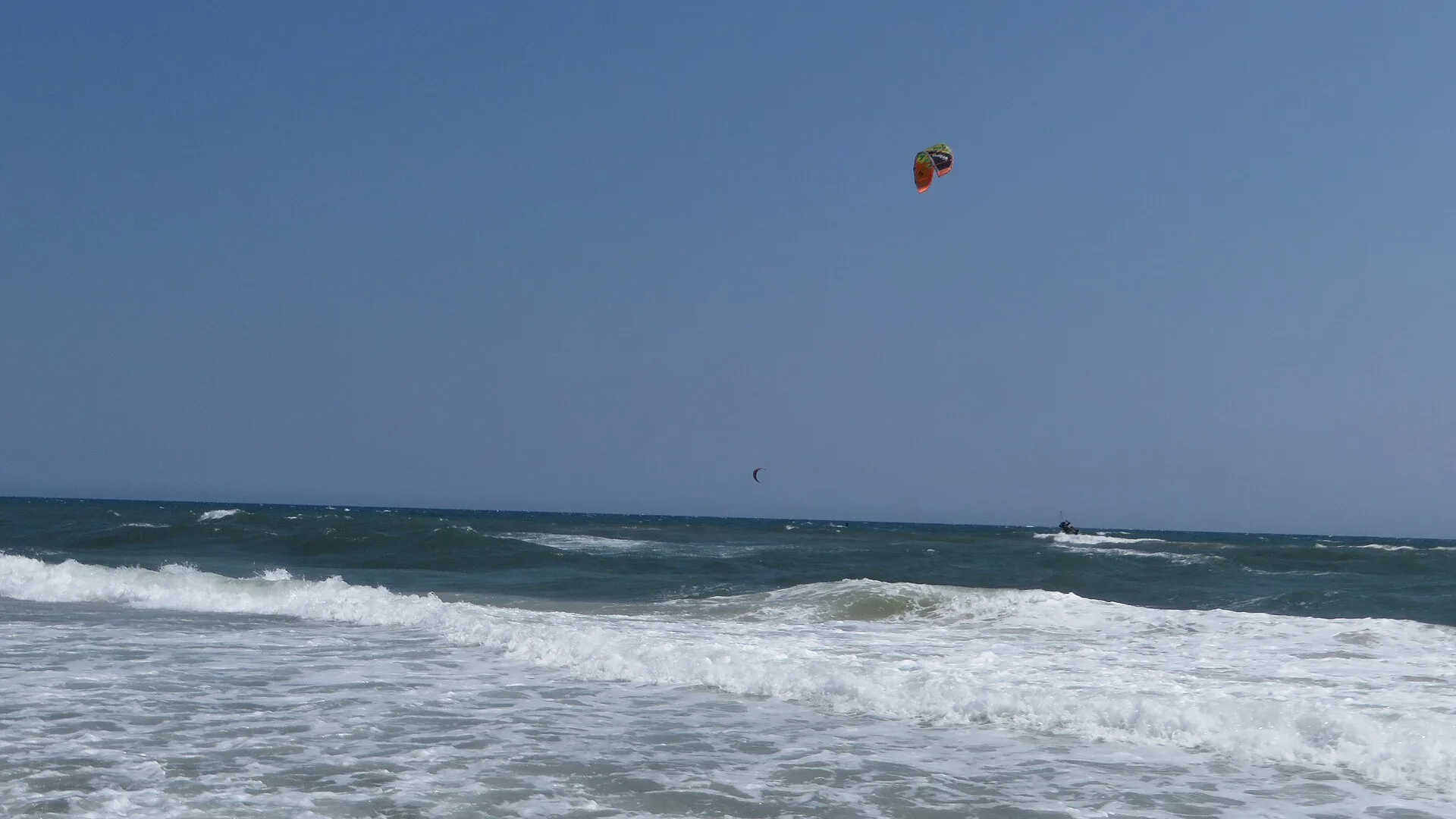
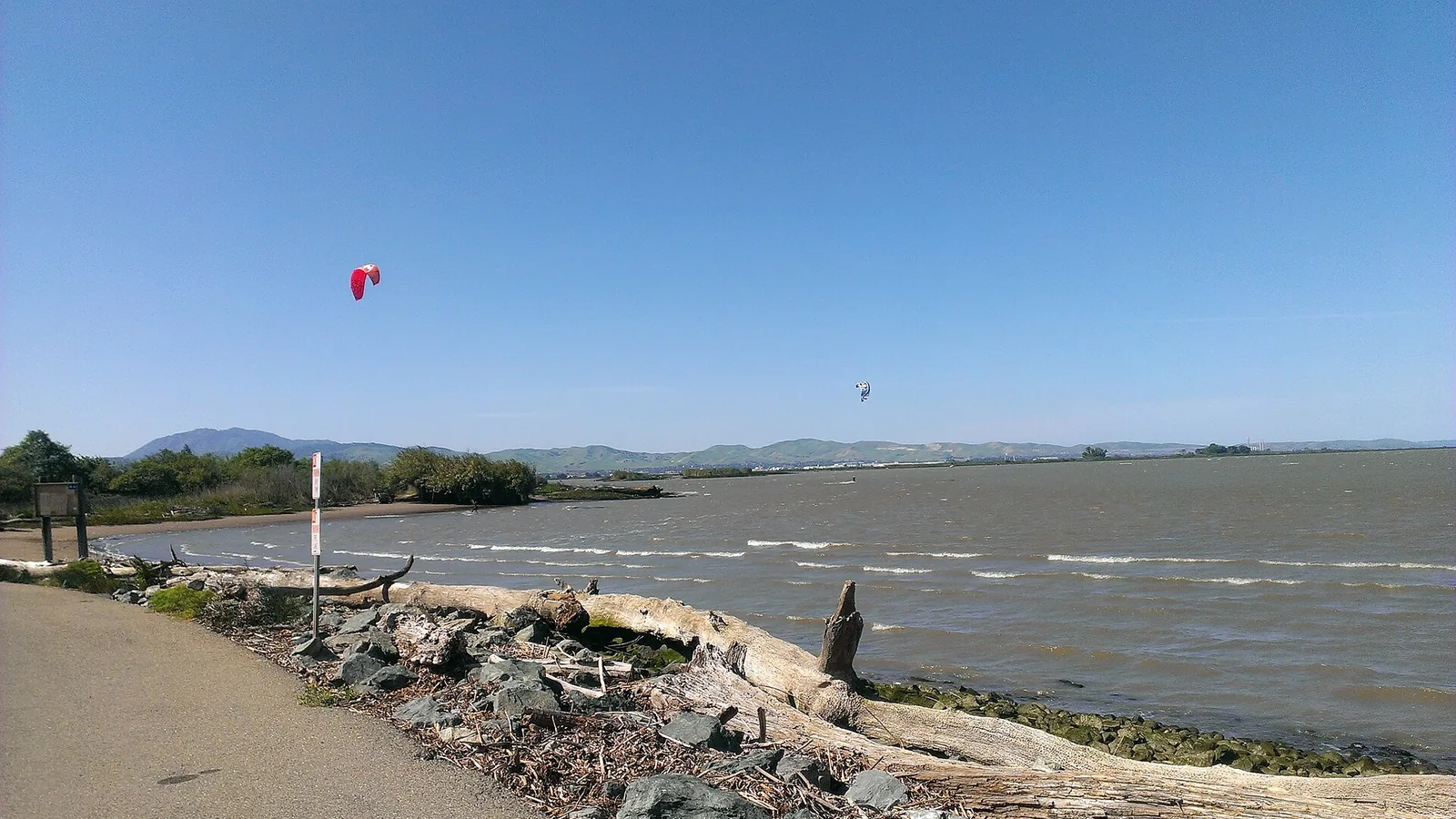
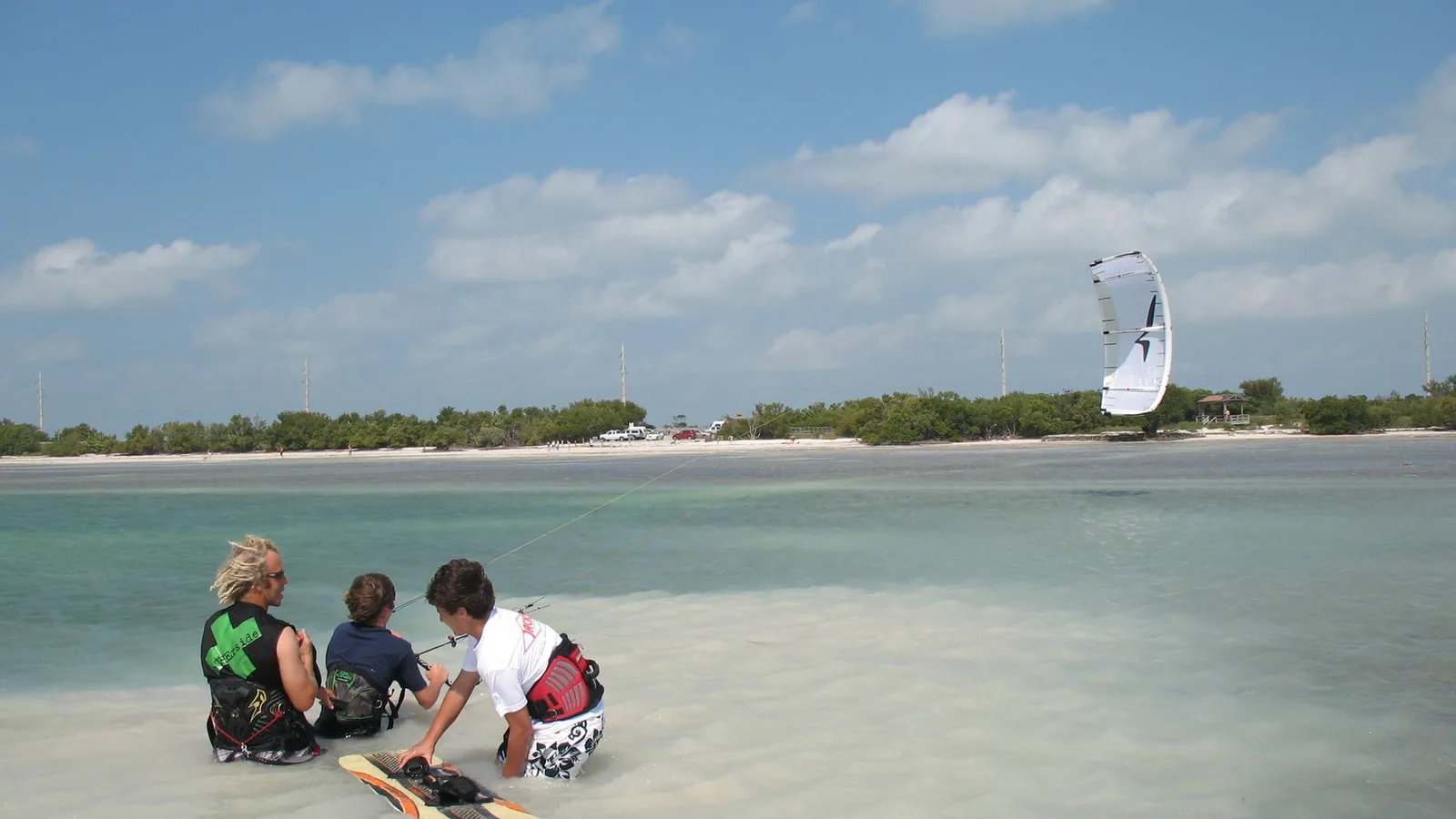
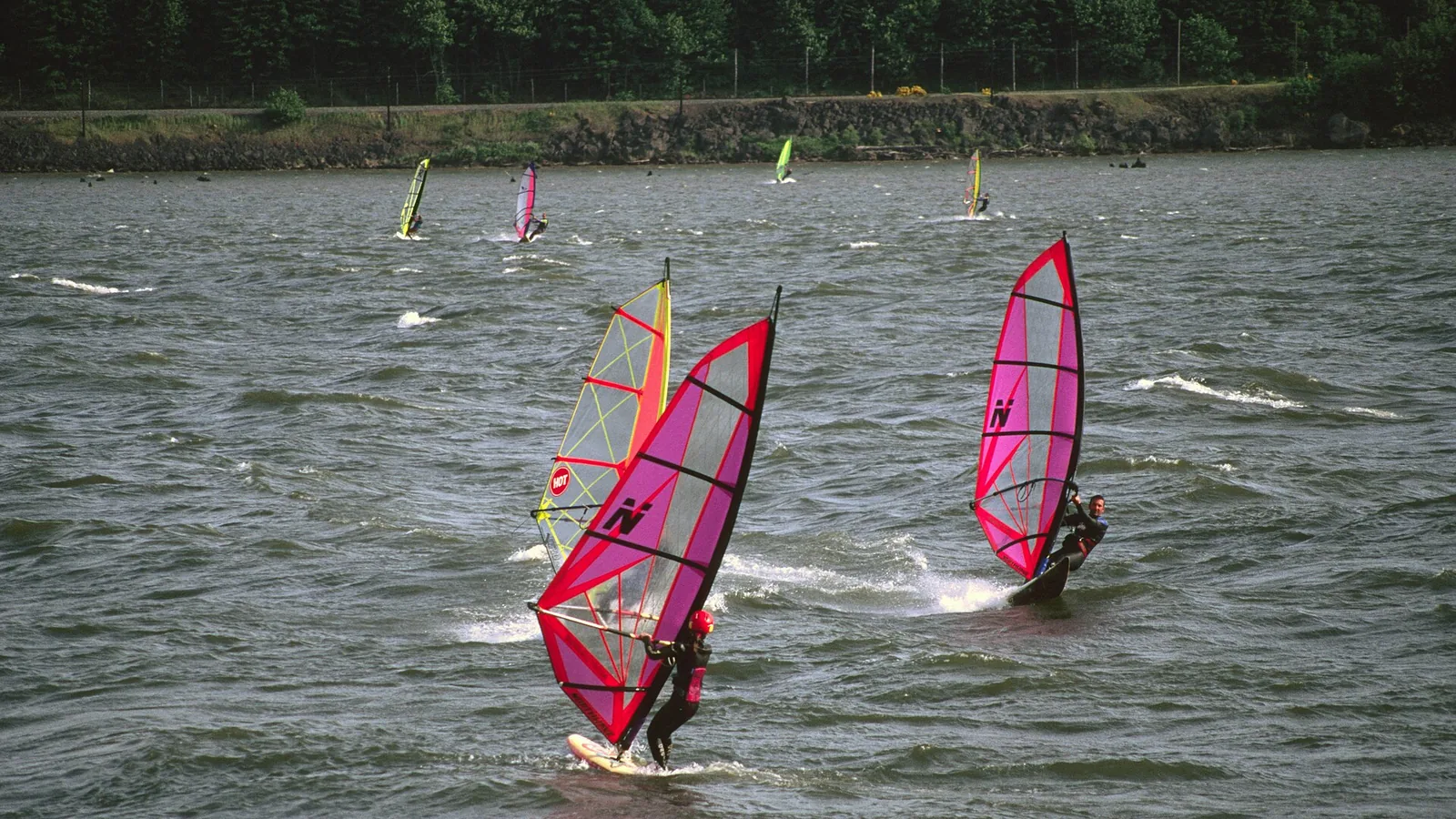
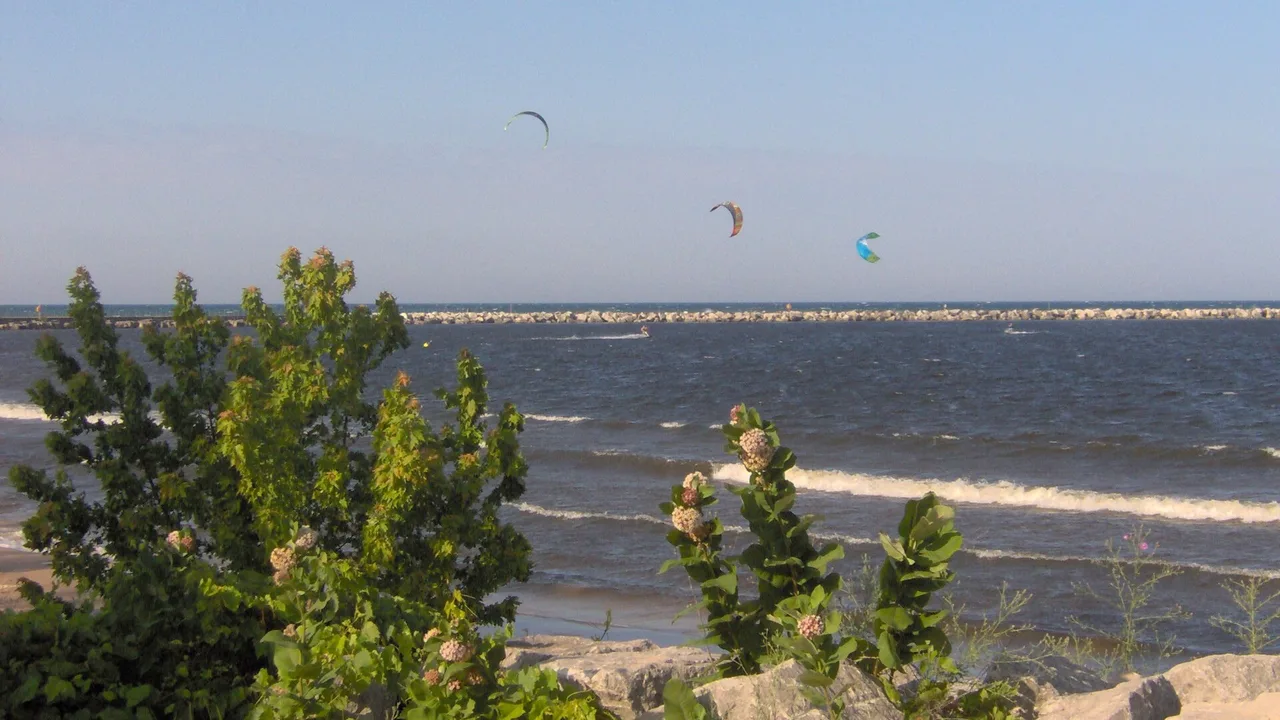

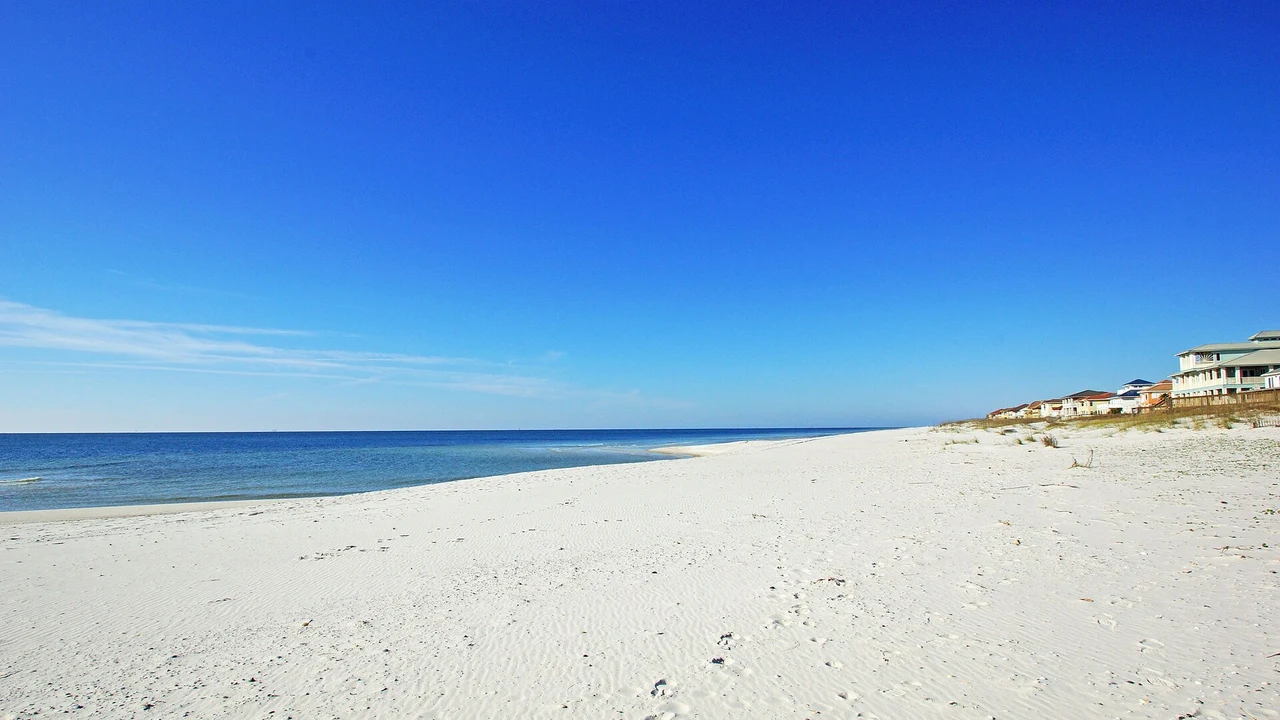
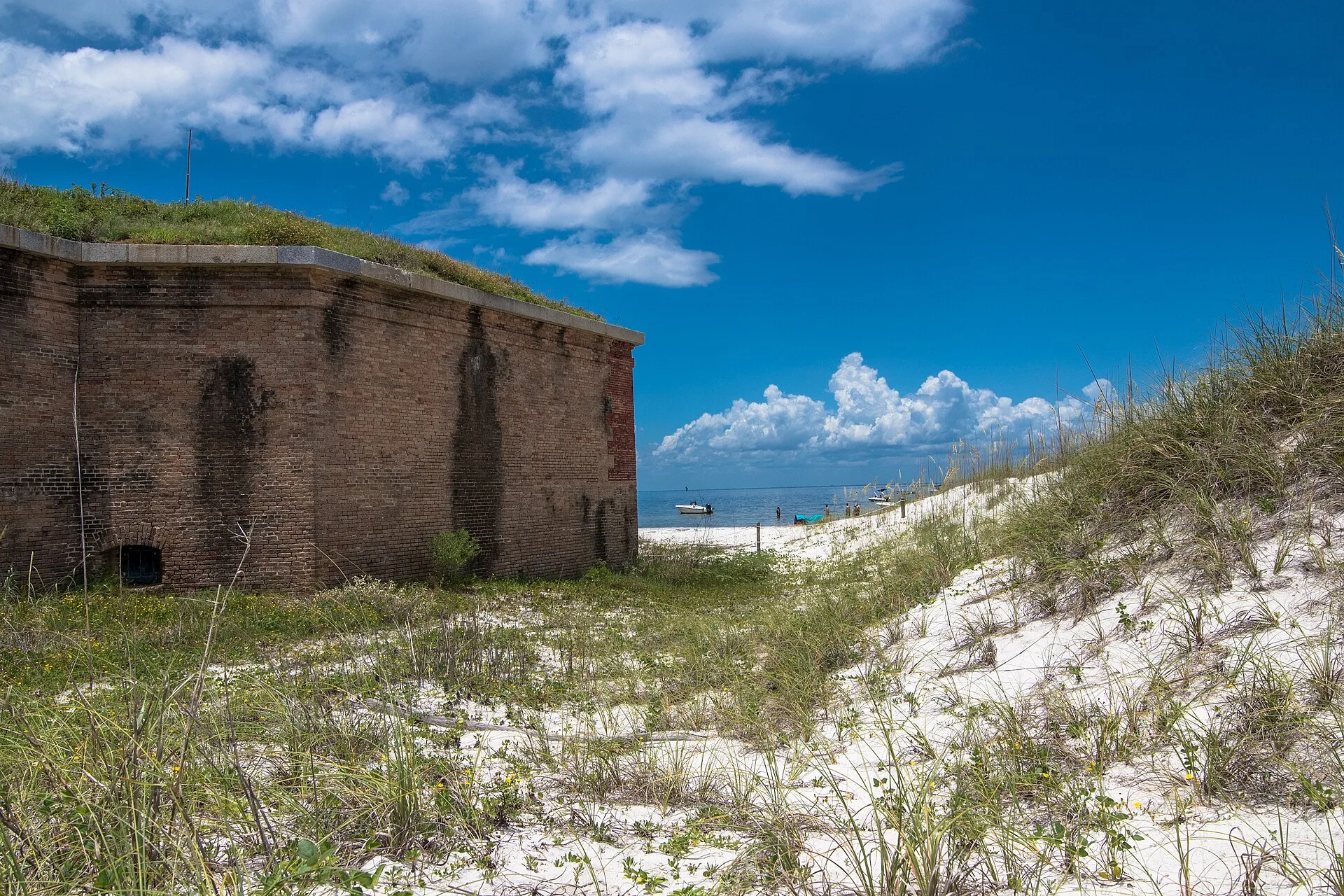
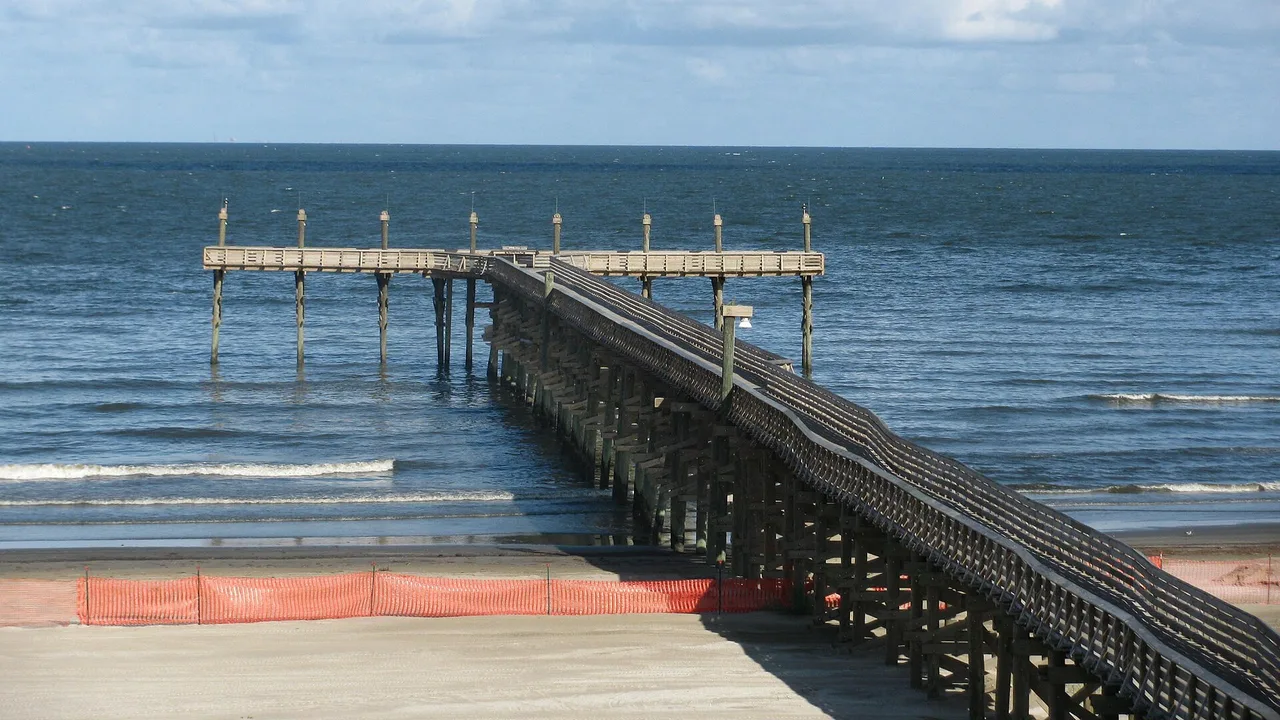
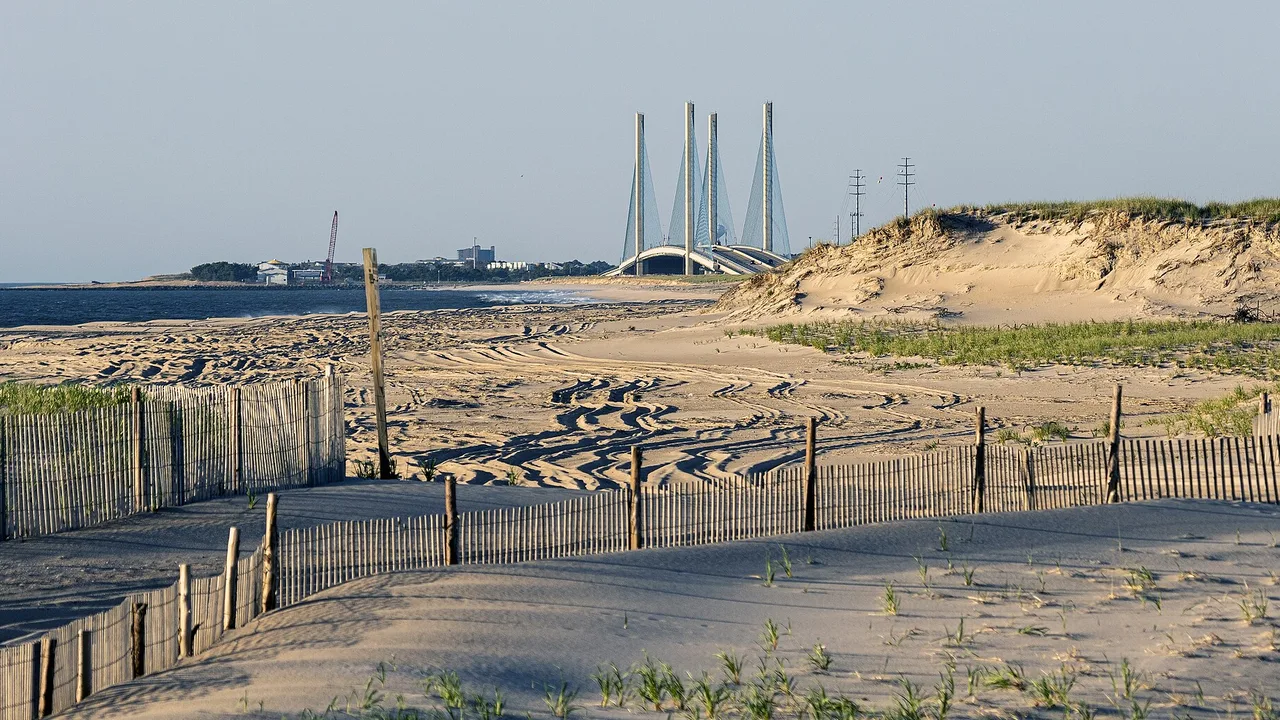
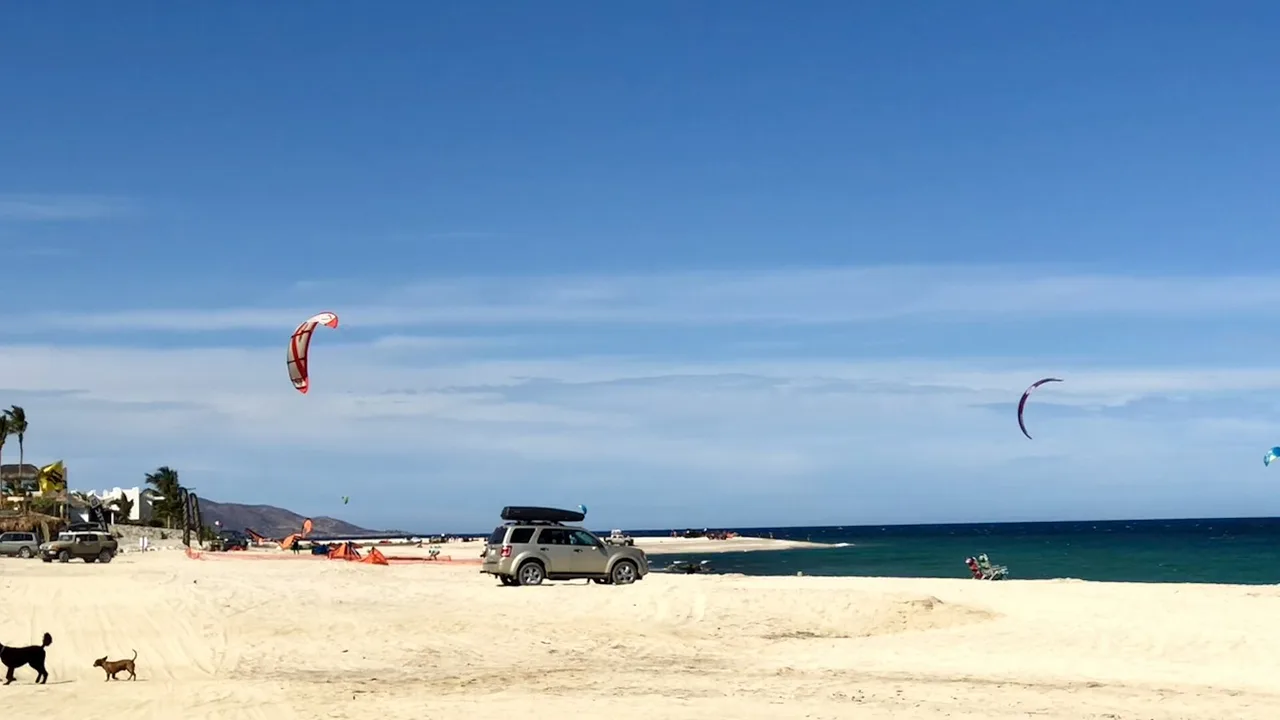
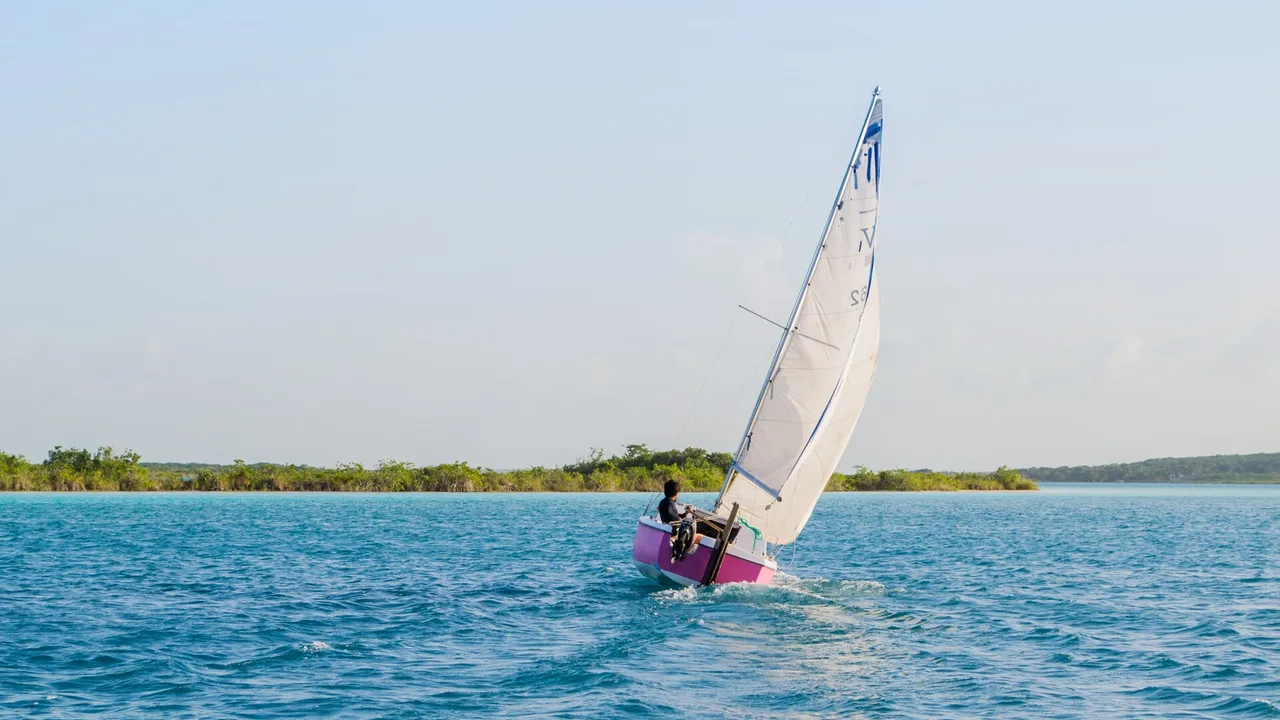
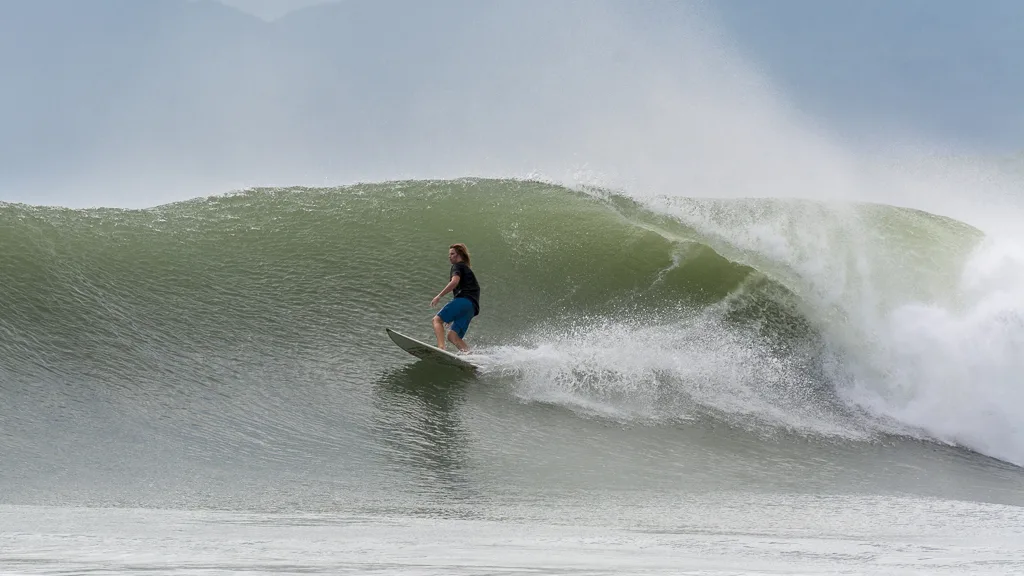
Not a US state — a separate country, a short flight (or, for Baja California, a short drive) away. Four genuinely different coasts, covered the same way as everything above: real spots, real rules, nothing borrowed from one coast and applied to another.
There is no single national rule for watersports in the United States. Federally, a paddleboard or similar craft counts as a vessel only once it is used beyond the limits of a swimming, surfing or bathing area — and once it is, the Coast Guard requires an approved wearable PFD carried for each person, plus a sound signalling device and a light after dark. Federal law does not, by itself, require an adult to wear the PFD.
States add their own rules on top, and they genuinely differ: mandatory wear, specific PFD types, age rules. Beaches add more still. That is why each page below names the authority and the ordinance where one exists, and says plainly where we could not find one, rather than repeating a rule from the next state over.
The rest of our destination coverage — the Caribbean, the Canaries, Portugal, France, Italy, Morocco and the UK — lives in the main destinations hub. It is written for a British and European reader, so distances are in kilometres and prices in pounds or euros, but the spot information is the same work.