
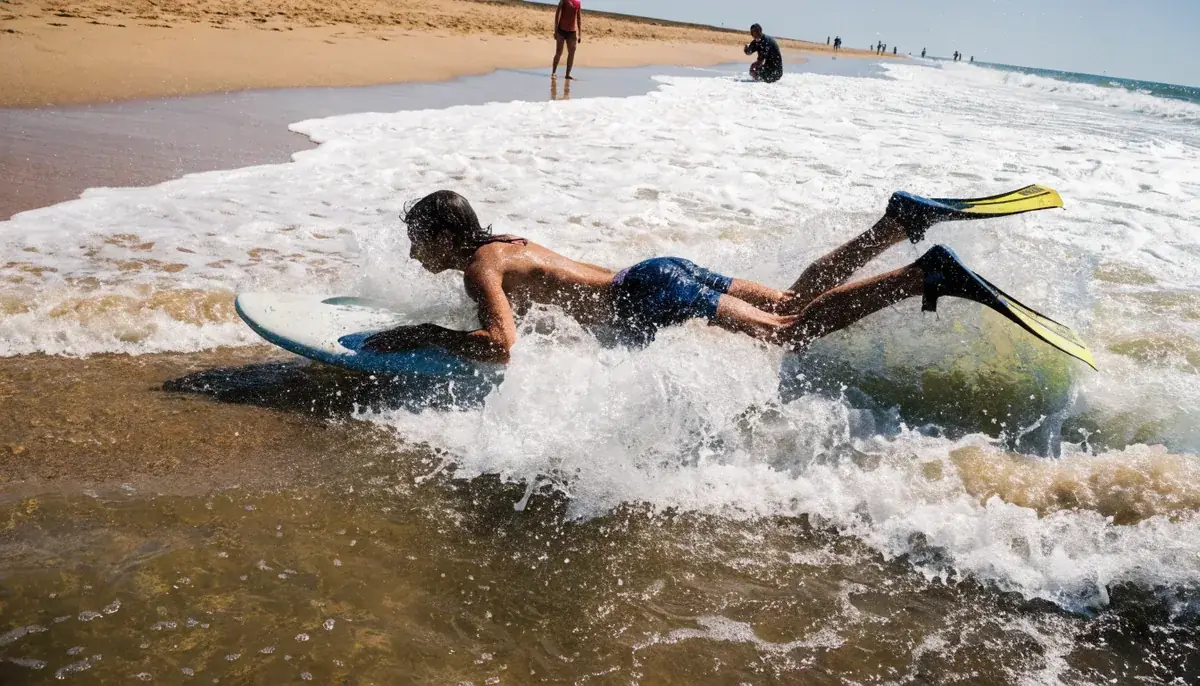
A child bodyboarding prone through breaking whitewater in California

🏄 Watersports

Bodyboarding in the US:
know your beach

Learn bodyboarding

Bodyboarding means riding waves lying prone, or kneeling with one knee on the board, on a short foam board with swim fins on your feet. These guides are written for UK waters, so the technique carries over but the spots and local rules do not.

A child bodyboarding prone through breaking whitewater

Getting started in bodyboarding

Positions, paddling, catching your first whitewater waves and reading the beach. Written for the first sessions.

Read the guide arrow_forward
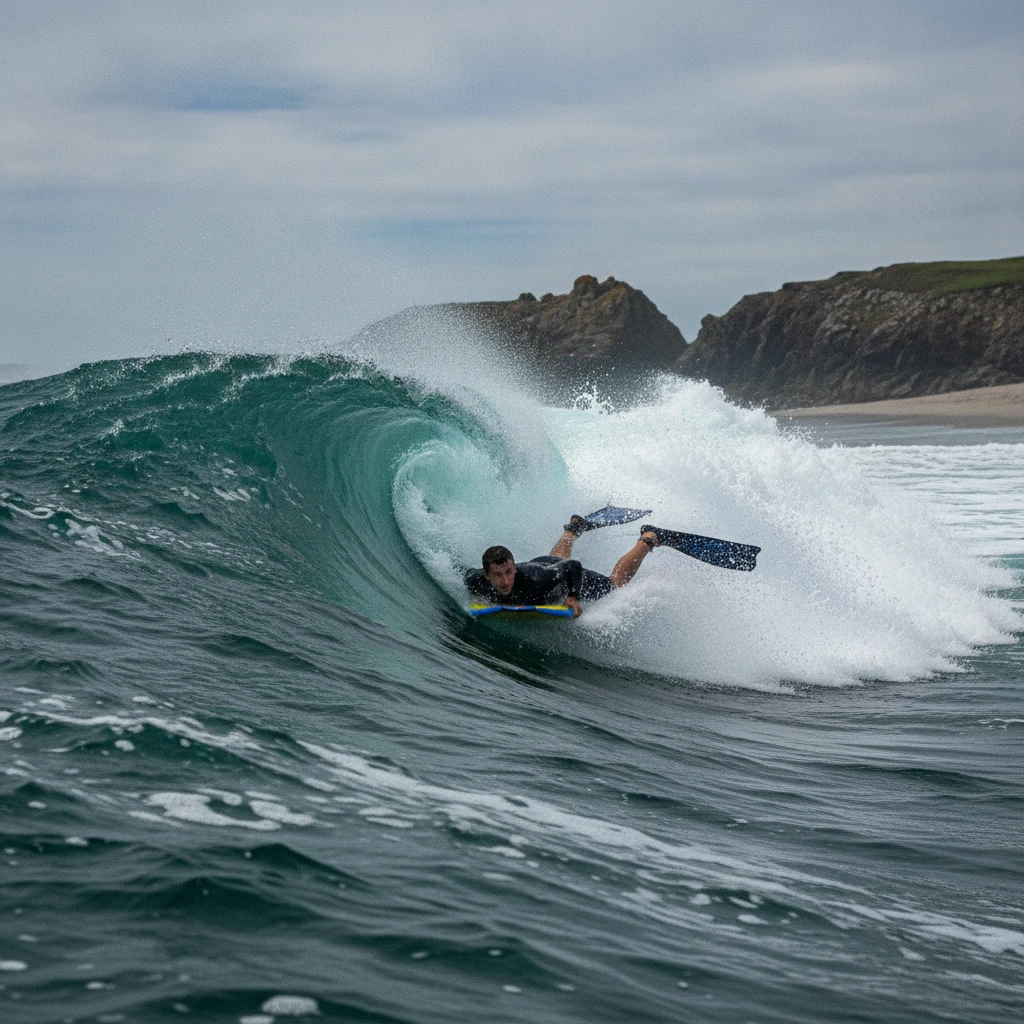
A bodyboarder riding prone along the face of a breaking wave

Bodyboarding in the UK

The wider UK hub: how the sport works, boards and the UK spots. Useful for technique; its safety text is about UK beaches.

See the UK hub arrow_forward
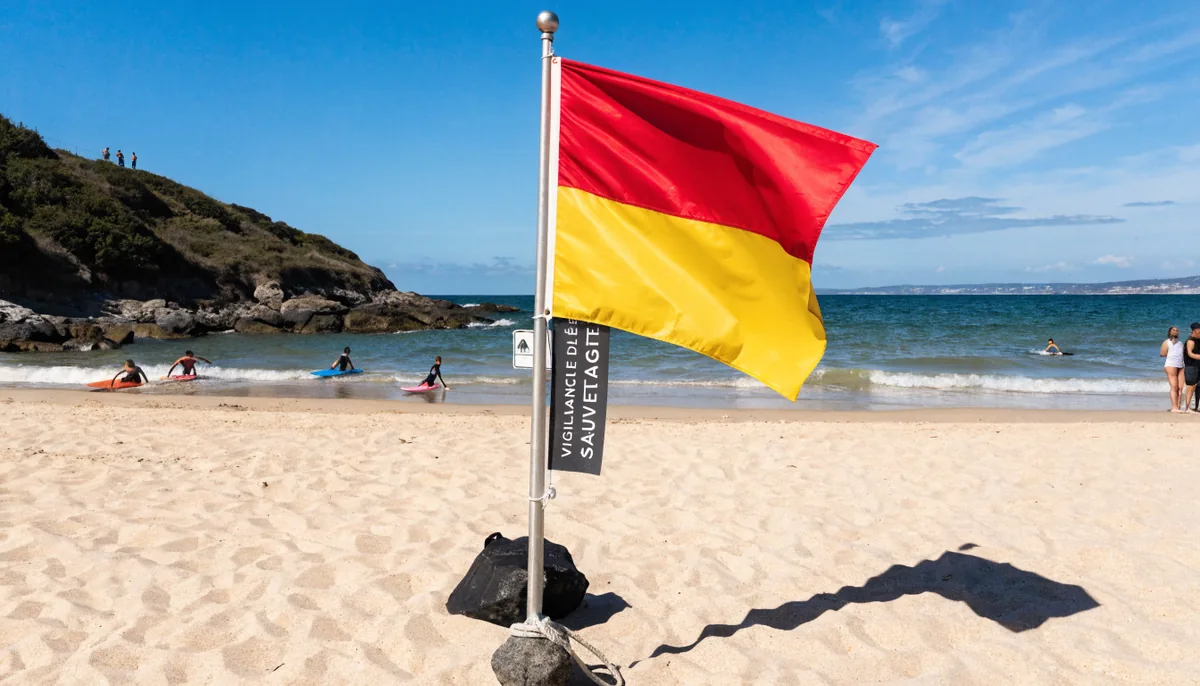
A red flag planted in beach sand with waves breaking behind

Rules and safety in the US

What the National Weather Service says about rip currents, and why beach managers decide most things. Jump to the section below.

Read the basics arrow_forward

Bodyboards, fins and kit

The board is only part of it: fins and a leash matter as much. These are research-based buying guides, not hands-on tests. Check prices at the retailer, because we do not quote any here.
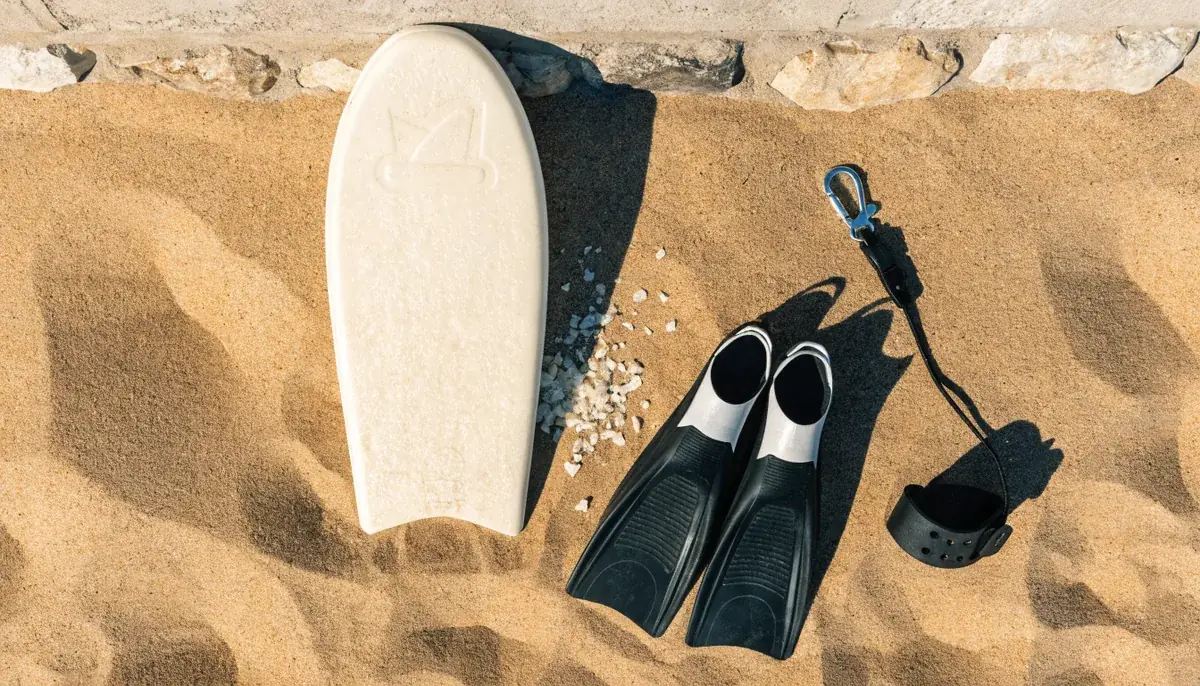
A bodyboard and swim fins laid out on the sand

Bodyboard gear guide

Board, fins, leash and wetsuit: what each piece does and what to look for. Written for UK waters, so check the wetsuit advice against your own water temperature.

Read the guide arrow_forward
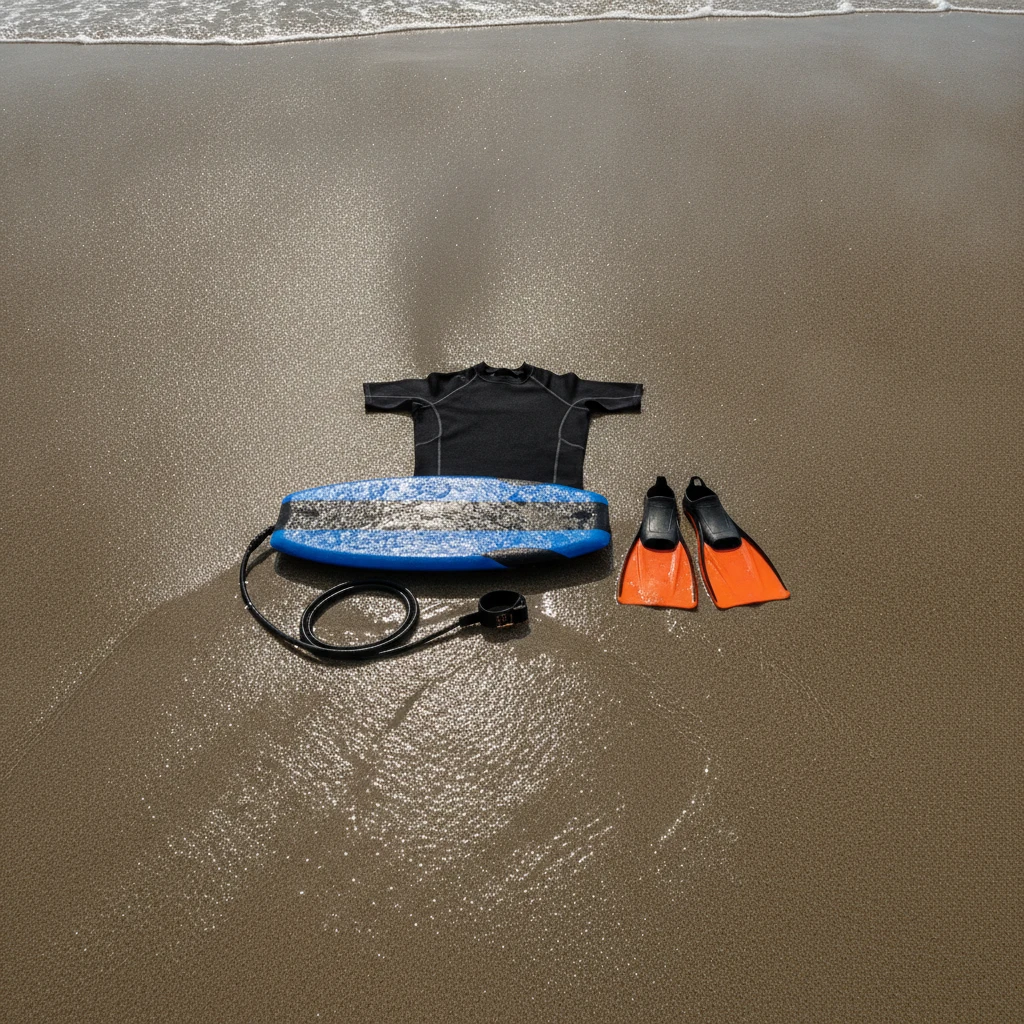
A person carrying a bodyboard along the shoreline

How to choose a bodyboard

Size, core and shape, and how they change with your weight and your level.

Read the guide arrow_forward

Bodyboarding rules and safety in the US

We found no single national bodyboarding rule. The rules that bind you mostly come from whoever manages the beach, and they differ town by town, so check them for the exact beach.

  • Local rules decide. Our destination guides document three different regimes. On the surf beaches of Long Beach, New York, the City publishes a rotating schedule and says bodyboards and surfboards may not share a bathing area. In Ocean City, Maryland, the town's own pages say that on a designated surfing beach no one except surfers on surfboards may be in the water, so bodyboards are excluded from the surf zone itself. In Rockaway, New York City, the surf beaches have no lifeguards and the general beach rules prohibit snorkels, fins, rafts and other flotation devices; the page we read does not say how that applies to bodyboards, so ask before you paddle out.
  • Do not copy one beach's rule to another. These three examples do not resemble each other. A beach with no rule we could find is "not documented", not "allowed".
  • Rip currents. The National Weather Service says rip currents pull you away from shore and not under the water, and not to swim against them. Float first, and if you can swim, leave the current by heading parallel to the shoreline or toward breaking waves, then angle back to the beach. If you feel you cannot reach shore, draw attention to yourself.
  • Lifeguards and flags. The National Weather Service advises swimming only at beaches with lifeguards, asking the lifeguards about rip currents and other hazards when you arrive, and heeding the warning flags posted on or near the lifeguard stand. Flag colors and which craft may use which zone are set locally. We could not read the U.S. Lifesaving Association's flag chart (its site blocked automated access), so we do not list flag colors here: ask the lifeguard.
  • Seeing someone in trouble. The National Weather Service says to get a lifeguard, or if none is present to call 911, and to throw the person something that floats. It warns not to enter the water without a flotation device, because many people have died trying to rescue someone.
  • In an emergency. Call 911.

Sources: National Weather Service, rip current safety. Local rules are from our New York and New Jersey and Maryland guides, which cite the City of New York, Long Beach and Ocean City pages directly.

Where to bodyboard: our US guides

We have no bodyboard-specific spot guides for the US yet. These two destination guides are the ones that document local bodyboard rules; the full index covers every coast we have written up.

Watersports spot beside the water

New York and New Jersey

Rockaway's surf blocks, Long Beach's rotating surf schedule and what we could not verify on the Jersey Shore.

Read the guide arrow_forward
Guides and techniques for learning to surf

Maryland

Ocean City's designated surf beaches and the daily announcement that decides where surfing is allowed.

Read the guide arrow_forward

Surfer riding a powerful wave

All US destinations

Every coast we have covered, state by state, with the local rules we could find.

Explore the destinations arrow_forward

Boogie board or bodyboard?

Same craft. The name Boogie Board goes back to Tom Morey, who made his first foam board in Hawaii in 1971. We use bodyboard and bodyboarding on this site; if you are searching for "boogie board", the guides above are what you want.

Pricing and delivery arrow_forward

Hero photo: Cinder1280 (Gerhard Kremer) on Wikimedia Commons, CC0.

🏄 Bodyboard

Check the beach rules first

Read the local rules for the beach you plan to ride, then browse our US destination guides.