

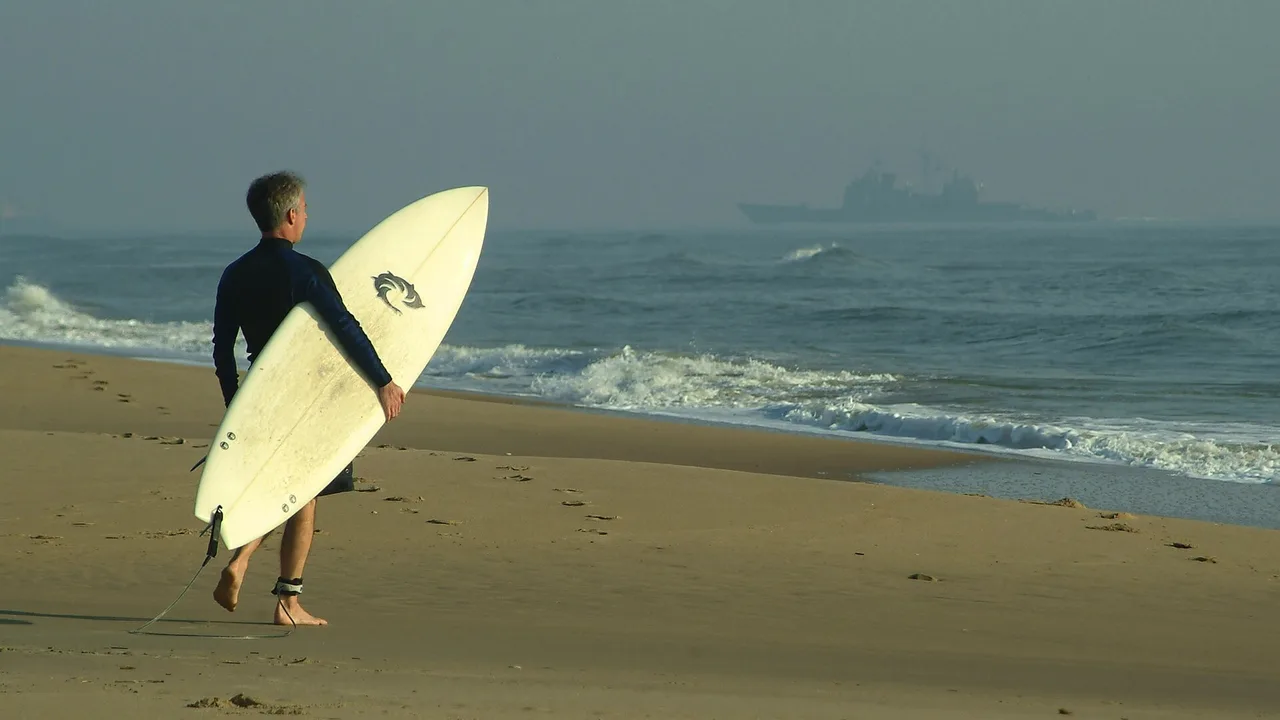
A surfer carrying a board along the beach at Virginia Beach, Virginia, with a Navy warship visible offshore

🏄 Watersports

Surfing in the US:
find your break

Learn to surf

Surfing is learned in stages: whitewater first, then the pop-up, then green waves. These guides are written for UK beaches, so the technique carries over but the spots, flags and local rules do not.

Surfer in action on a powerful wave

Learn to surf

Safety, stance, the pop-up and reading the waves, for your first sessions.

Read the guide arrow_forward
Guides and techniques for learning to surf

Surfing techniques

Pop-up, trim, bottom turn and cutback, step by step.

See the techniques arrow_forward

Powerful wave forming an ocean tube

Wave types

Beach break, reef or point: how to tell them apart and pick a break that suits your level.

Read the guide arrow_forward

A wave breaking in a line, seen from above

How waves are formed

Fetch, duration, wind swell and groundswell, from the open ocean to the break.

How swell works arrow_forward

Wet sandy beach with small waves washing up the shore, seen from above

How tides work

Spring tides, neap tides and why a break can switch on and off through the day.

Read the guide arrow_forward

Safety and rescue flag on a surf beach

Surf zones, flags and rules

How flags and surf zones work on US beaches, and why they change from one town to the next. Jump to the section below.

Read the basics arrow_forward

Boards, wetsuits and tools

Board volume and wetsuit thickness are the two sizing questions a new surfer asks first. The gear guide is a research-based buying guide, not a hands-on test.

Surfboard volume calculator

Surfboard volume calculator

Enter your weight and level to get a board volume range instead of guessing from board length. This is the shared Matosurf tool, so its page is in the UK edition.

Open the tool arrow_forward
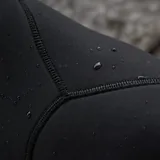
Quality neoprene surf wetsuit

Wetsuit thickness guide

Match wetsuit thickness to your water temperature, in degrees Fahrenheit.

Open the tool arrow_forward
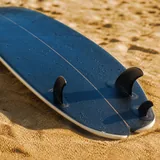
Surfboard resting on the sand

Surf gear guide

Boards, leashes, wax and wetsuits matched to your level. Written for UK waters: check the wetsuit advice against your own water temperature.

Read the guide arrow_forward

Surf spots by state

There is no single US surf rulebook. Each destination guide covers the swell, the access and the rules we could find for that coast.
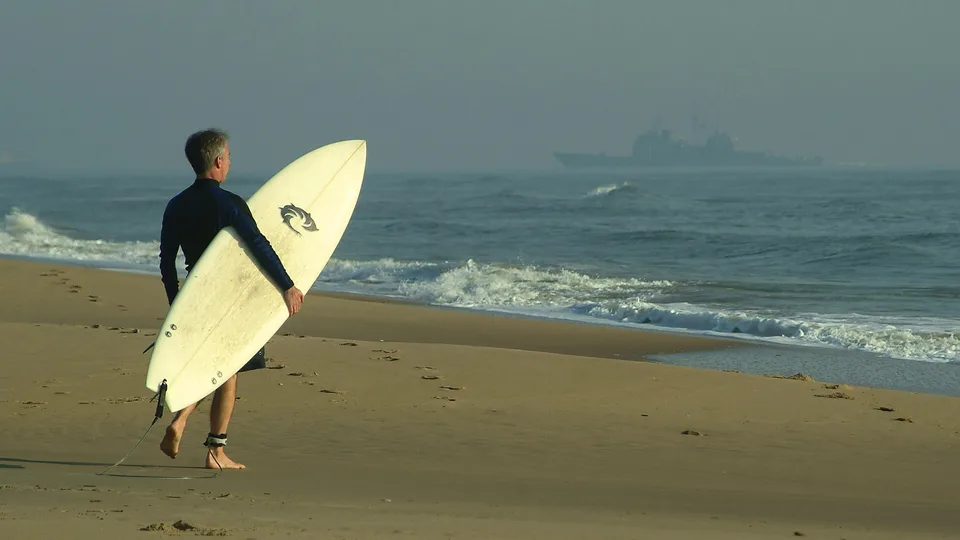
A surfer carrying a board along the beach at Virginia Beach, Virginia

Virginia

Virginia Beach's own surf-zone ordinance, Sandbridge's separate hours and First Landing State Park's flat bay water.

Read the guide arrow_forward

Sunrise over the Atlantic off Ocean City, Maryland

Maryland

Ocean City's rotating surf beaches and their hours, plus Assateague Island.

Read the guide arrow_forward

Two longboarders wading out at dawn beside a rock groyne at Rockaway Beach, New York

New York and New Jersey

Rockaway, Long Beach, Montauk, Sandy Hook and the Jersey Shore: swell windows and who governs which beach.

Read the guide arrow_forward
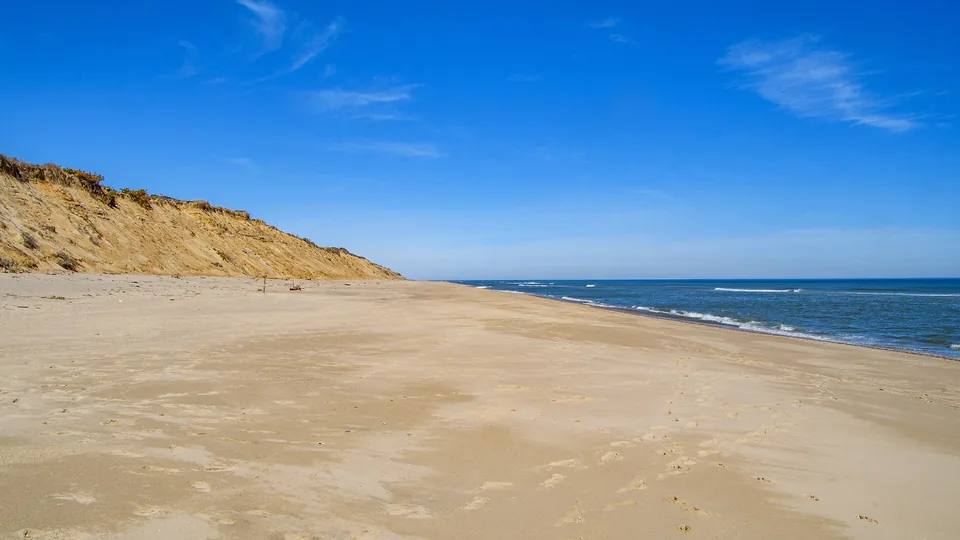
Marconi Beach on Cape Cod in winter, with lines of small surf

Massachusetts

Cape Cod, Nantucket Sound and the North Shore: water temperatures, access rules and great white guidance.

Read the guide arrow_forward
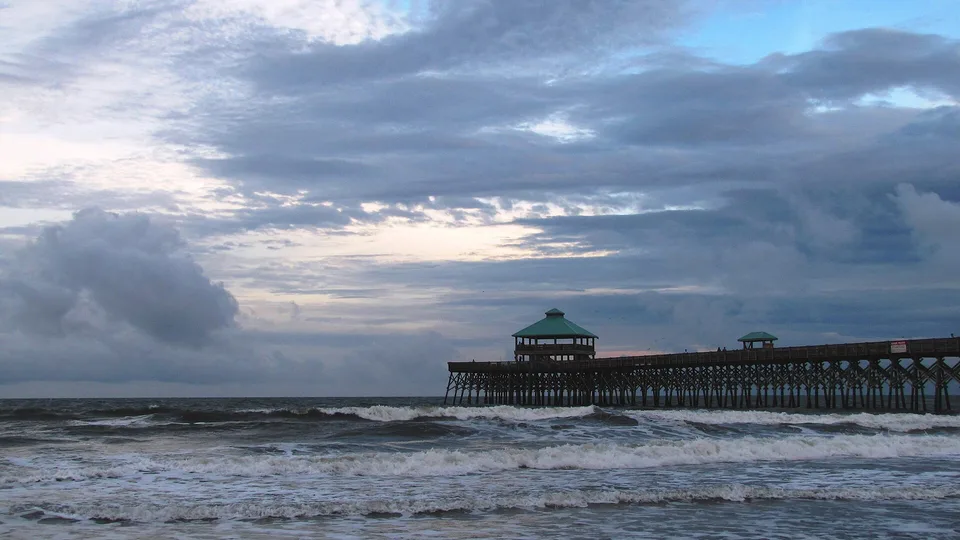
Folly Beach Pier at dusk with breaking waves

South Carolina

Folly Beach's own city ordinance and Myrtle Beach's five surf zones.

Read the guide arrow_forward

Sunset over the reef at Maria's Beach, Rincón, Puerto Rico, with surfers on the line-up

Puerto Rico

Rincón, Aguadilla and Isabela: the measured winter season and the summer flat spell.

Read the guide arrow_forward
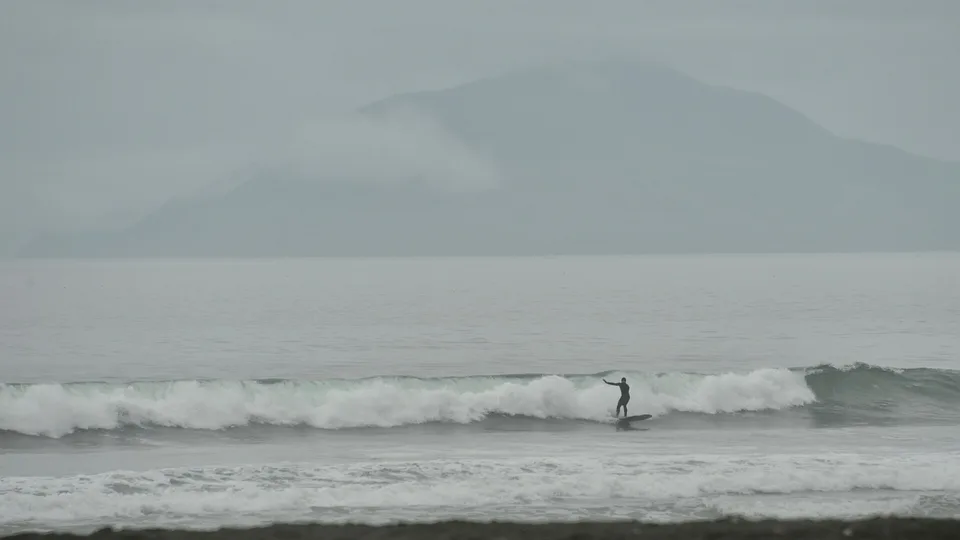
A surfer riding a breaking wave at Surfers' Beach, Kodiak Island, Alaska

Alaska

Yakutat, Sitka and Kodiak's Gulf of Alaska breaks, with NOAA swell and water temperature data.

Read the guide arrow_forward
Surfer in action on a powerful wave

California

Mavericks and San Diego among the spots covered, alongside the Delta and San Francisco Bay wind spots, with the local rules.

Read the guide arrow_forward
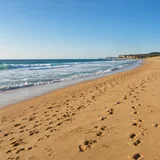
Fine sandy beach on the Atlantic coast

New Hampshire

Hampton Beach's designated surfing zone and Rye's beach ordinance.

Read the guide arrow_forward

Surfing the Great Lakes

Lake surf has no tide. See our guides for Ohio’s Lake Erie shore and Michigan’s Lake Michigan coast, or browse all US destinations.

Surf zones, flags and rules in the US

Beaches are run by cities, counties, states and the National Park Service, and each sets its own surf rules. Check the rules for the exact beach before you paddle out.

  • Lifeguard flag meanings. The United States Lifesaving Association (USLA) approves a set of beach warning flags: yellow for medium hazard, red for high hazard, double red for water closed to the public, purple for marine pests. A red-over-yellow flag marks an area protected by lifeguards, where swimming and body surfing are permitted.
  • Surfboard zones. USLA describes a black-and-white quartered flag, flown in pairs, as marking a zone used by surfboards and other non-powered watercraft, and a yellow flag with a central black ball as meaning surfboards and other non-powered watercraft are prohibited. We have not checked which US beaches use these flags.
  • Not every beach follows the standard. Manasquan, New Jersey publishes its own key: green for safe, yellow for caution, red for water entry prohibited, blue for floatables and rafts, white for swimming only. Ask the lifeguards what each flag means at that beach.
  • Cities set surf zones and hours. Virginia Beach’s city code (§ 6-116) bans surfboards in named stretches of the Atlantic at set times in summer and lists the areas where surfing is always allowed. Ocean City, Maryland, runs rotating surf-only beaches with fixed daily hours through its Beach Patrol. Hampton Beach, New Hampshire, allows surfing on North Beach within a designated area, 6th to 14th Street.
  • Parks decide inside their boundaries. The Indiana Dunes National Park compendium bans surfboards, paddleboards and kayaks at West Beach while lifeguards are on duty.
  • Leashes. Virginia Beach’s code and Ocean City’s surf-beach rules both require a leash. Requirements elsewhere differ, so check the beach.
  • In an emergency. Call 911. The U.S. Coast Guard monitors VHF channel 16 if you carry a marine radio.

Source for the flag meanings: the USLA beach warning flags page. The place rules above come from the destination guides, which cite their own sources.

Prices and delivery

How we handle prices and shipping on the US site is explained on one page.

Pricing and delivery arrow_forward

Hero photo: Chief Photographer’s Mate Johnny Bivera / U.S. Navy on Wikimedia Commons, public domain.

🏄 Surfing

Find your break

Browse our US destination guides, then check your wetsuit thickness with the free tool.