
Not all waves behave the same way. Depending on the seabed, the shape of the coastline and the swell, a wave will break very differently from one spot to the next. Understanding wave types is essential for choosing the right spot, matching your gear and surfing safely. These are the main configurations you'll come across in the water.
The 3 main types of break
In surfing, waves are classified according to the type of seabed they break over. That's what determines a wave's shape, power and hazard level. The three fundamental categories are the beach break, the point break and the reef break.
🏖️ The Beach Break
A beach break is a wave that breaks over a sandy bottom. It's the most common wave type around the UK coast and the one recommended for beginners.
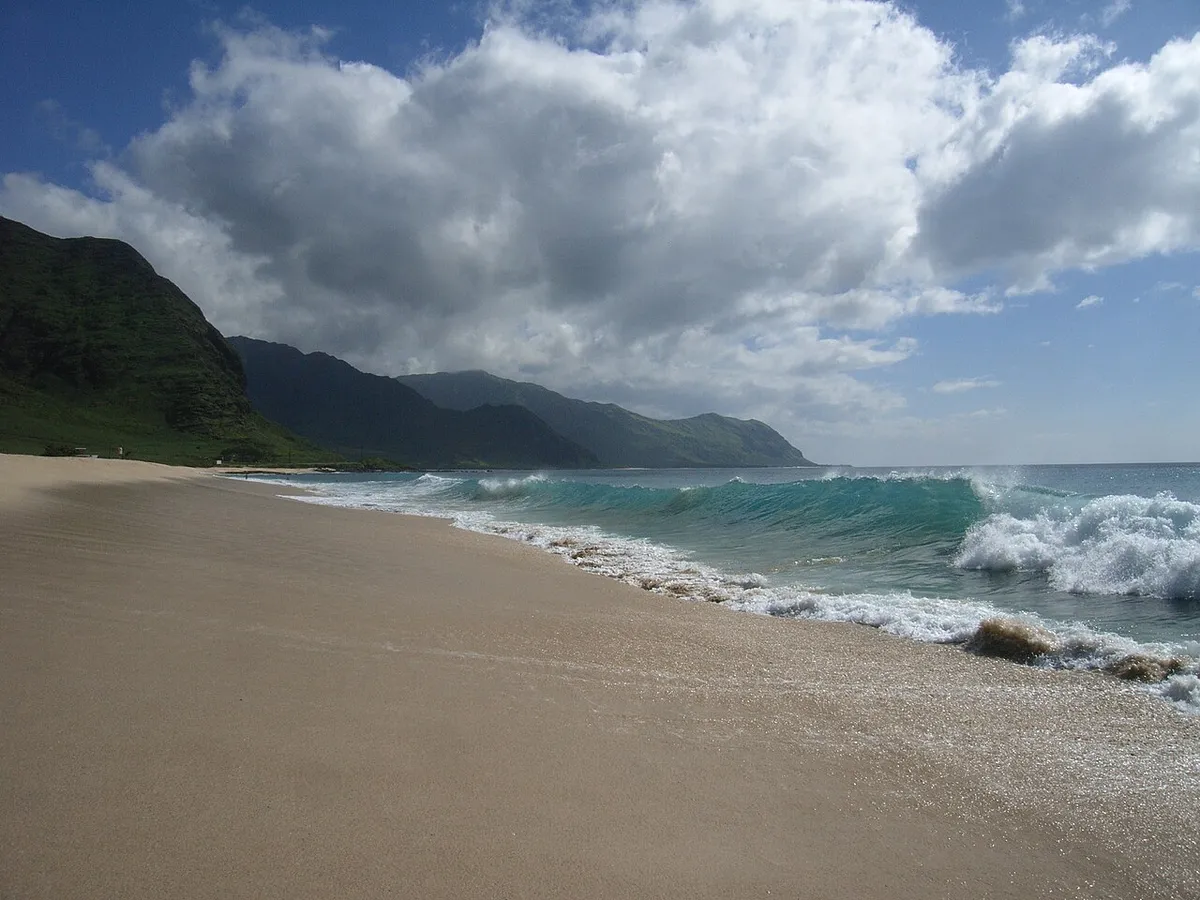
Sandbanks form and shift with the tides and storms, so the waves are constantly changing – a spot can be excellent one week and average the next. That variability is both an advantage (variety) and a drawback (unpredictability).
UK examples: Fistral (Newquay), Woolacombe, Llangennith, Perranporth.
🪨 The Point Break
A point break is a wave that wraps around a rocky headland or point of land. The swell is channelled by the point and breaks steadily along the rock, producing long, predictable waves.
Rides tend to run longer than at a beach break (sometimes 100 to 300 metres). Swell direction determines the quality of the spot on any given day. The bottom is often rocky, which calls for care (wetsuit boots are recommended).
UK examples: parts of the North Devon and Pembrokeshire coastline, and reef-and-point set-ups along the Cornish north coast.
🐚 The Reef Break
A reef break is a wave that breaks over a reef (coral or submerged rock). It's the most powerful and spectacular wave type: the kind found at legendary spots like Pipeline in Hawaii or Teahupo'o in Tahiti.
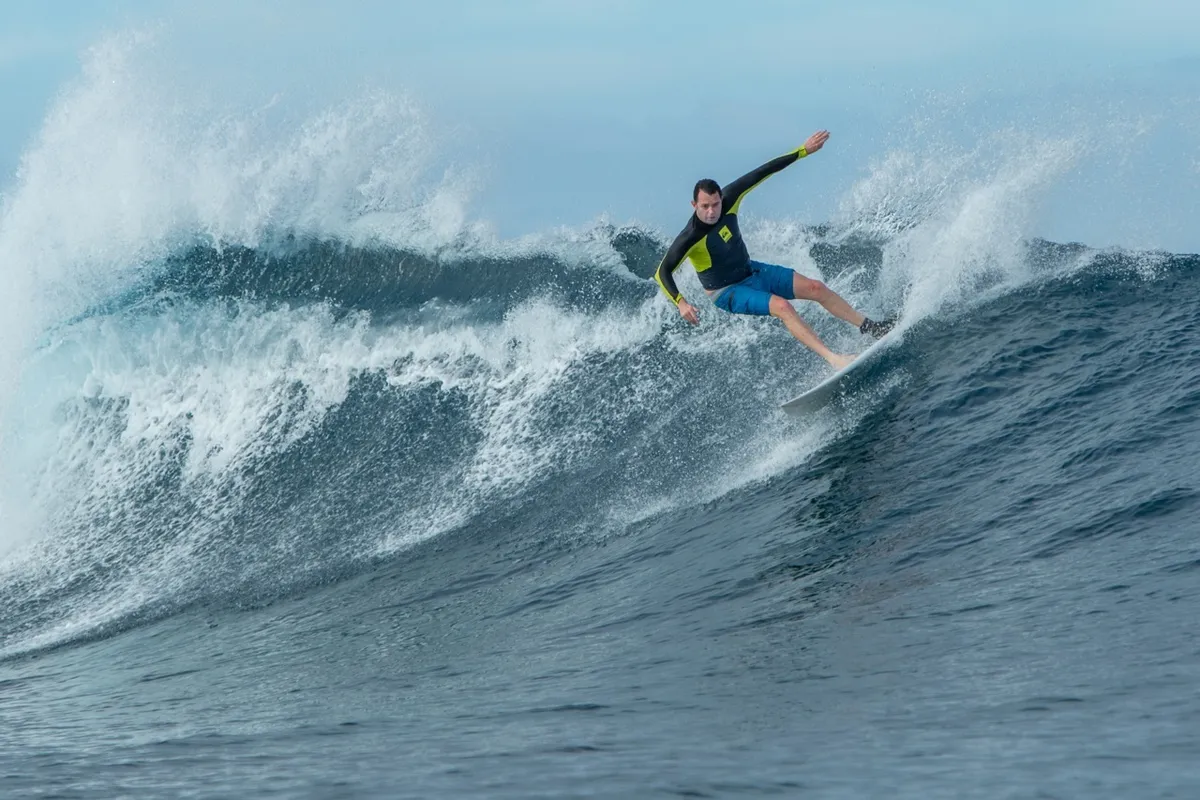
Characteristics: the waves are hollow, powerful and consistent. The hard bottom makes falls more dangerous. This type of spot is not recommended for beginners without experienced guidance. The reef doesn't shift the way sandbanks do, which makes the waves very predictable.
Examples: Thurso East on Scotland's north coast is the UK's best-known cold-water reef, alongside reef breaks found further afield in Indonesia and Portugal.
Anatomy of a wave
To surf effectively, you need to understand how a wave is structured. These are the terms every surfer should know:
The peak
The peak is the highest point of the wave, where it breaks first. It's the reference point for positioning yourself and for priority (the surfer closest to the peak has right of way on the wave).
The lip
The lip is the upper part of the wave that curls over and falls. In hollow waves, the lip can throw out to form a tube: every surfer's holy grail. Surfing under the lip (in the 'pocket') is where the energy is greatest.
The face
The face is the smooth wall of the wave, the part you actually surf on. The steeper the face, the more powerful and demanding the wave. A gentle, gradual face is ideal for beginners.
The shoulder
The shoulder is the part of the wave that's flattening out, where it has already lost most of its power. Surfing the shoulder is easier but less exciting. The aim is to stay in the pocket (the powerful section) for as long as possible.
The whitewater
The whitewater is the white, foamy part of the wave that has already broken. It's where beginners learn, because the push is powerful, consistent and predictable, which makes the pop-up and those first movements much easier.
Useful vocabulary: in the water, you'll hear "it's closing out" (the wave breaks along its whole length at once), "it's opening up" (the wave peels nicely) and "the line" (the ideal path across the wave). Knowing these terms helps you communicate with other surfers out there.
What makes up a wave
Beyond the type of break, several factors determine how good and how rideable a wave is:
Size
Wave size in the UK is usually measured in feet. For beginners, waves of about 1–3 feet (roughly knee to waist height) are ideal. Beyond head height, you need solid experience and the right kit.
Swell period
The period (in seconds) is the time between two waves. The longer the period, the more powerful and organised the waves:
- 6–9 seconds: short-period swell, loosely organised waves, ideal for learning.
- 10–14 seconds: medium to long-period swell, powerful and consistent waves. The sweet spot for intermediate surfers.
- 15+ seconds: long-period groundswell, very powerful waves, best left to experienced surfers.
Wind direction
Wind has a major impact on wave quality:
- Offshore (wind blowing from the land out to sea): it 'holds up' the lip of the wave, making it hollower and cleaner. This is the ideal condition for surfing.
- Onshore (wind blowing from the sea onto the land): it 'crumbles' the wave, making it mushy and disorganised. Less enjoyable, but often easier for beginners.
- Cross-shore (wind parallel to the coast): a middle-ground condition. Can make one side of the wave better than the other.
Tides
Tides have a direct effect on wave quality, especially at beach breaks. A spot can be excellent at low tide and poor at high tide, or the other way round. Check local knowledge on the best state of tide for each spot. On many UK beaches, spring tides (the biggest tidal range) can completely change how a spot works.
Use a surf forecasting app such as Surfline, along with the Met Office forecast, to check swell size, period, wind direction and tide times before your session.
Rights, lefts and closeouts
Waves don't all break the same way. Three configurations cover most of what you'll come across:
A right (A-frame)
A right is a wave that peels to the right of the surfer (facing the beach). The peak sits in the middle and the wave runs off to the right. It's also called an A-frame when the peak looks like an A, opening on both sides (right and left) at once.
A left
A left is the reverse: the wave peels to the surfer's left. Some UK spots are known for reliably good lefts, depending on the swell and sandbank set-up.
The closeout
A closeout is a wave that breaks along its whole length at once. Impossible to surf cleanly, as it leaves no 'shoulder' to manoeuvre on. Beginners can still have fun in the whitewater, but experienced surfers give closeouts a miss.
Matching your gear to the wave type
The type of wave shapes which board makes sense for you:
- Beach break (beginner): a foamie or mini-mal (7'6" to 8'6"), generous volume (55–70 litres). Stability and paddle power come first.
- Beach break (experienced): a shortboard (6'0" to 6'8") or fish, for manoeuvrability in hollow, fast-breaking waves.
- Point break: a mini-mal or longboard to make the most of the wave's length. Noseriding (walking up to the nose of the board) is the signature move.
- Reef break: a shortboard or a gun (a long, narrow board for bigger waves). The reduced volume allows manoeuvrability in powerful sections.
Not sure which board suits the wave type you're chasing? Have a read of our surf gear guide to find the right board for your level and your local conditions.
UK spots by wave type
Beginner beach breaks
- Woolacombe (North Devon): a vast, lifeguarded beach with gentle, forgiving waves – the classic learner's spot.
- Perranporth (Cornwall): three miles of sand and several peaks, so there's almost always somewhere sheltered to learn.
- Llangennith (Gower, Wales): a relaxed atmosphere and consistent, easy-going waves.
Intermediate beach breaks
- Freshwater West (Pembrokeshire): a long, powerful beach break good for working on trim and the bottom turn on the right day – but known for strong rip currents, so it suits confident surfers rather than newcomers.
- Saunton Sands (North Devon): long, rolling walls that suit a smoother, more classic style of surfing.
- Fistral North (Cornwall): on its day, a peeling, workable wave for building confidence beyond the whitewater.
Advanced reef breaks
- Thurso East (Scotland): a world-class cold-water reef right, powerful and demanding, for well-prepared, experienced surfers.
- Reef breaks abroad: destinations such as Indonesia and Portugal offer powerful reef breaks for experts seeking bigger, hollower waves.
Explore our full map of UK surf spots to find waves that suit your level, whatever type of break you're after.
❓ Frequently asked questions about wave types
What type of wave is best for beginner surfers?
A beach break is best for beginners: a sandy bottom (less hazardous), waves that break gradually and easy access. Croyde, Woolacombe and Llangennith all offer excellent UK beach breaks to learn on.
What's the difference between a point break and a reef break?
A point break wraps around a rocky headland or point of land, producing long, regular waves. A reef break breaks over a reef bottom (coral or rock), producing more powerful, hollow waves.
Which type of wave is the most dangerous?
Reef breaks are the most dangerous, due to the hard bottom (reef or rock). Falls carry a higher risk of injury. They're not recommended for beginners without experienced guidance.