

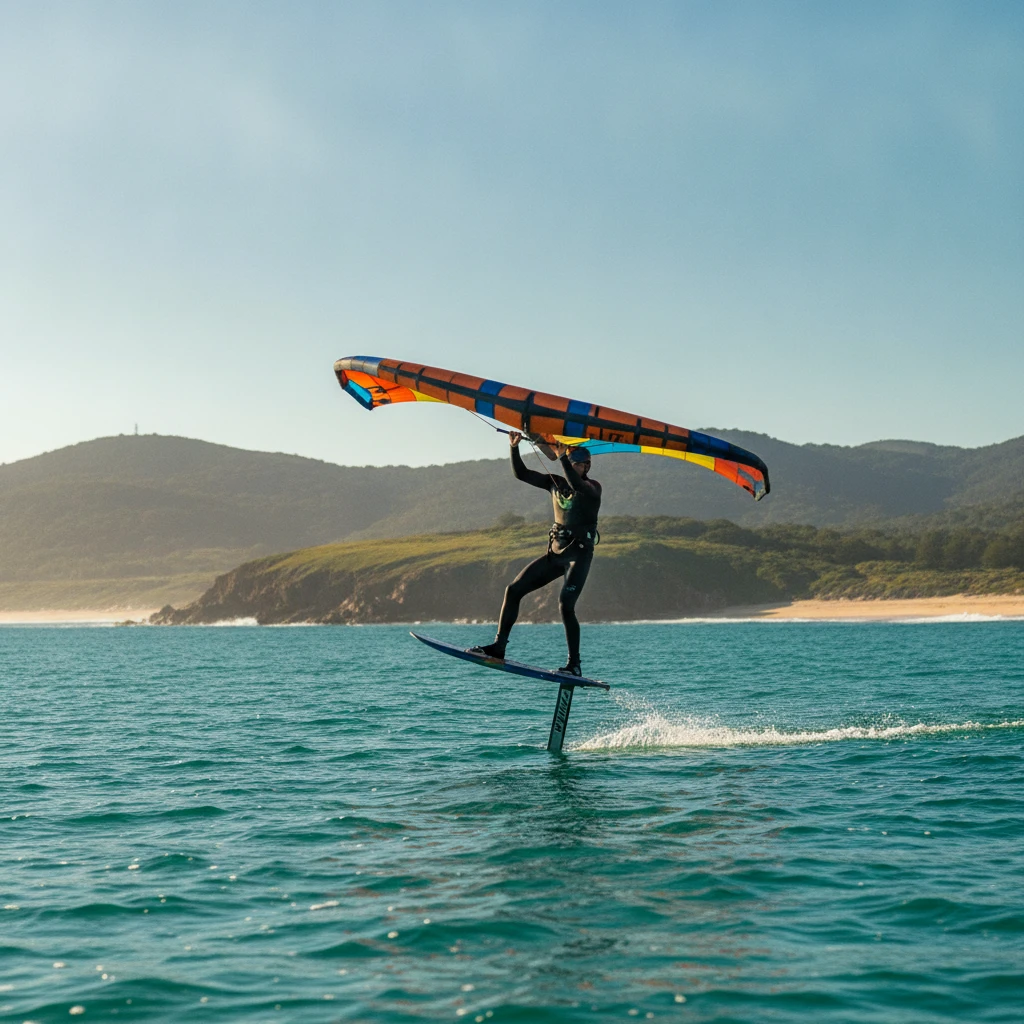
Wing foiling pairs a hand-held inflatable wing with a hydrofoil mounted under the board, so you lift clear of the water and fly in near silence, powered only by the wind.
A light inflatable wing of 3 to 7m², held in both hands by rigid handles. It catches the wind and drives you along without ever being attached to you, which is the making of its safety record. Let go and it drops to the water rather than dragging you with it.

Mounted under the board, the hydrofoil is made up of a mast, a fuselage and two wings (front and rear). Once you have enough speed, the lift raises the board clear of the water and you fly, with no noise and next to no drag.
Rideable from around 12–15 knots (14–17 mph), it works on the sea, a harbour or an inland lake, and it's quicker to learn than kitesurfing. That's why wing foiling has been the fastest-growing watersport since 2022.
Progress in wing foiling comes fast when it's well structured. These are the milestones that take you all the way to flying, safely.

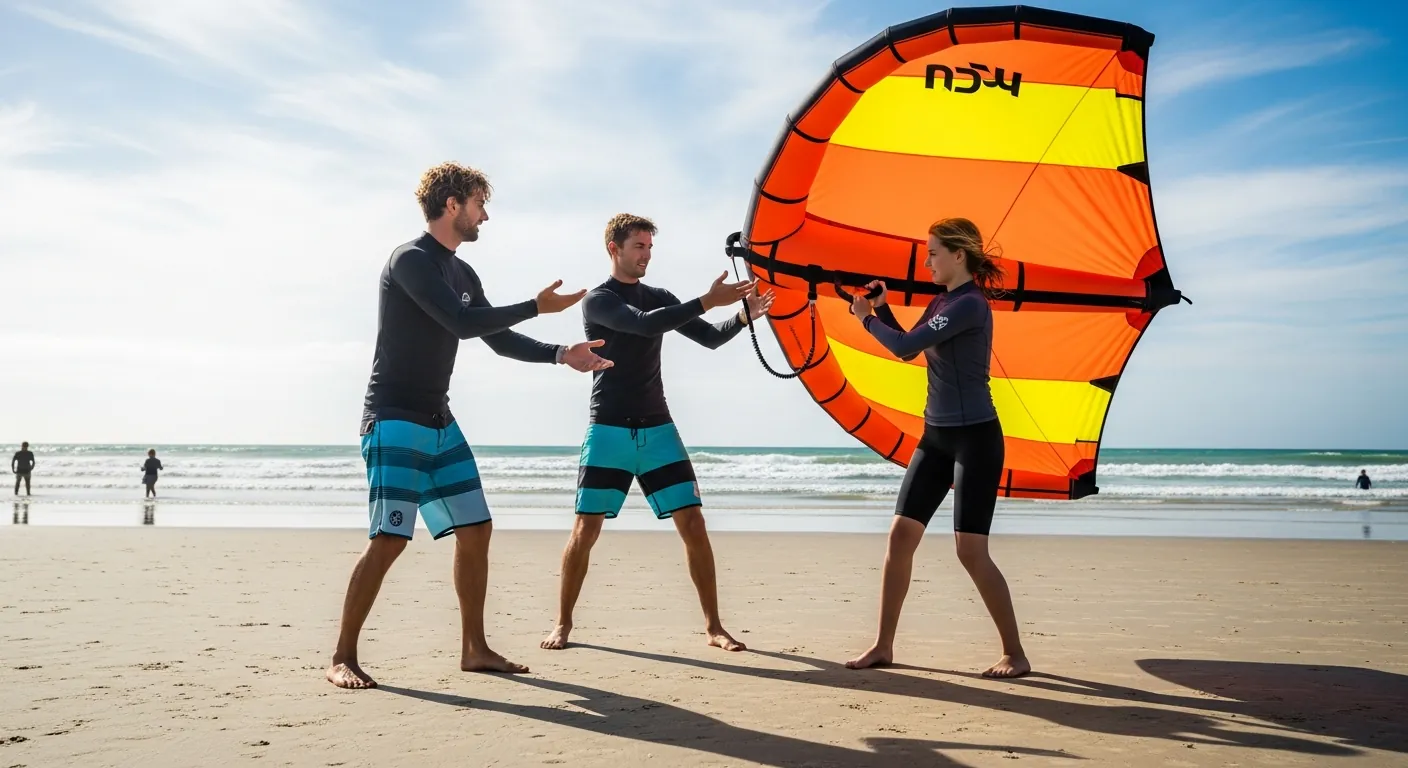
Learn to hold and steer the wing on the beach first – the wind window, neutral power and switching tacks. An hour or two is enough to grasp the fundamentals before you get in the water.

Take a large board (120 litres and up) with no foil to learn to get to your feet, turn and control the wing on the water. This phase usually takes one to three sessions.

Fit the foil and ride at low speed, feeling the acceleration and the first involuntary lifts. Learn to press through the heels to settle back down. Stick to calm water for this tricky stage.

You take off, you fly, you hold the ride height. It's the most rewarding step of the lot, and it usually comes after 5 to 10 sessions depending on your background (SUP, kite or windsurfing all speed things up).

Turning without dropping the board back onto the water is the key to riding without interruption. Fully nailing the tack and the gybe takes 15 to 30 sessions depending on where you start from.

Two or three hours with a British Kitesports-recognised instructor speeds things up enormously and heads off bad habits. Most kite and windsurf centres now run wing foiling sessions.
Everything you need to get started, progress and pick the right kit for wing foiling.
From your first handling of the wing to your first controlled flight, step by step.
Read the guide arrow_forward
Wing handling, taking off, stable flight, transitions, pumping and gybing – the moves that unlock real progress.
See the techniques arrow_forward
How to choose your wing, board and foil to match your level, your weight and the conditions you ride in.
See the gear arrow_forward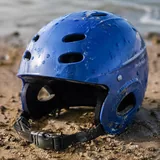
Kit, the sharp foil, offshore wind and self-rescue – the rules for riding safely on any UK water.
Read the guide arrow_forward
The pick of British wing foiling water, from sheltered harbours to open Atlantic coast, with the level each one asks for.
Explore wing foil spots arrow_forward
What a certified wing foiling course should give you, and where in the UK and abroad to book one.
See the courses arrow_forwardTorn between the wind sports? This is how wing foiling stacks up against the other disciplines.
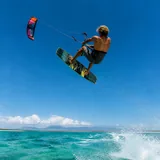
Wing foiling is simpler to rig (no lines), safer (the wing drops if you let go) and rideable on smaller patches of water. Kitesurfing has more power, allows bigger tricks and performs better in strong wind. If you are starting from scratch, wing foiling is quicker to learn.

Windsurfing has a boom fixed to the sail and mast, which makes it more technical to master and heavier to carry. Wing foiling is far more compact and lighter, and easier to get out on your own. Windsurfing does pack more power in strong wind, though.
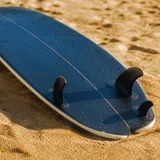
Prone and SUP foiling are ridden without a wing, powered by the waves or by pumping. They lean on the swell and demand a high skill level. Wing foiling has the wind to fall back on instead, which makes it far more versatile.
Wing foiling works on any windy patch of water. These are the UK spots the community rates most highly.

Busy, sociable and rideable at almost any level, with harbour flat water on one side and open sea on the other. Several centres run lessons and hire straight off the beach.
Wind: 12–25 knots (14–29 mph) · Level: Beginner to advanced

Shallow water, a sandy bottom and a dependable sea breeze. Falls are soft and you can stand up almost anywhere, which is why so many riders take their first flights here.
Wind: 12–22 knots (14–25 mph) · Level: All levels

A breakwater-protected harbour and a national watersports venue, where wind rather than sea state is almost always the limiting factor. Ideal for racking up flight time.
Wind: 12–25 knots (14–29 mph) · Level: Beginner to intermediate
A classic Welsh wind sports beach with several exposures depending on wind direction, from flatter bays to open-sea chop. Wide sand flats at low tide suit beginners; the wave-riding gets more serious as the tide comes in.
Wind: south through northwest · Level: Beginner-friendly at low tide, advanced on bigger swell

No tide, no current and nothing to distract you from technique. Most venues run access through a sailing club, so check permits and membership before you turn up.
Wind: 12–20 knots (14–23 mph) · Level: All levels
Open Atlantic swell and wind that rarely lets up. Empty, beautiful and properly cold, so it suits confident riders with a firm grasp of self-rescue.
Wind: 18–30 knots (21–35 mph) · Level: Intermediate to advanced
Wing foiling is a relatively safe sport, but the sharp foil calls for precautions you can't afford to skip.
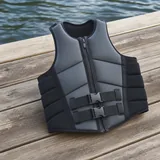
Always wear a watersports helmet (the foil can cause deep cuts) and an impact vest. A board leash keeps the board close if you fall, and a wetsuit is sensible year-round in UK water.
Read the safety guide arrow_forward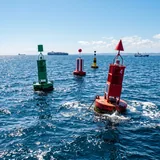
Give way to swimmers, motor craft and sailing boats, and keep well clear of bathing areas and the red-and-yellow lifeguarded zone. Check local rules before you go, because some beaches restrict foiling entirely.

Start in shallow, uncrowded water, never ride alone while learning, and stay ashore in strong, gusty conditions. You will progress far faster in a steady 15–20 knots (17–23 mph) than in a strong, shifty wind.
What wing foiling is, the gear you need and where to start – our complete beginner's guide.
Read the article arrow_forward