

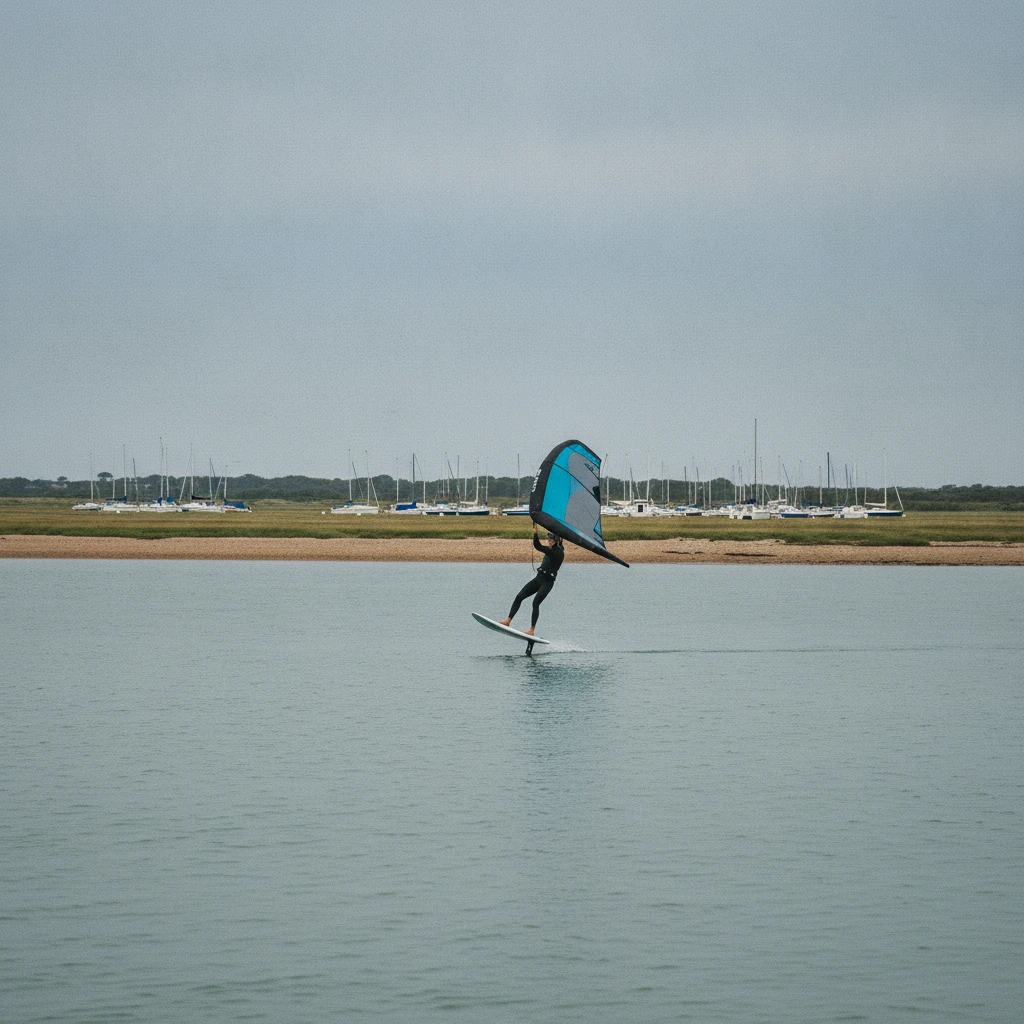
The UK might not have the Mediterranean's guaranteed sunshine, but it has something arguably better for wing foiling: sheltered harbours, wide estuaries, exposed Atlantic coastline and inland reservoirs, all within a wind climate that rarely goes flat for long. With steady breezes across the south coast, wave riding in the west and Scotland, and flat-water reservoirs inland, Britain offers about as varied a playground as you'll find at this latitude. What follows is our round-up of the best wing foil spots in the UK, organised by region, wind, season and level.
🌊 South coast wing foil spots
The south coast is the UK's wing foiling heartland, built on sheltered harbours and bays that take the edge off the open sea while still catching reliable south-westerly sea breezes. Water here is generally flatter, shallower and warmer than elsewhere in the country from May to September – ideal conditions for learning and for consistent flat-water sessions.
☀️ West Wittering – West Sussex
West Wittering is the reference beginner spot on the south coast. The shallow water around the harbour mouth at East Head, with its sandy bottom and steady sea breeze, gives new wingers soft falls and forgiving conditions in which to learn. Experienced riders head further out towards the harbour entrance, where a bit of swell can build fun bump for wing surfing.
Where to ride: the sheltered water inside East Head is the beginner-friendly zone, with easy launching from the beach and parking close by. Out towards the harbour mouth, conditions get punchier and are best left to intermediate riders and up. Check the tide before you head out, as large areas dry out at low water.
🏖️ Hayling Island – Hampshire
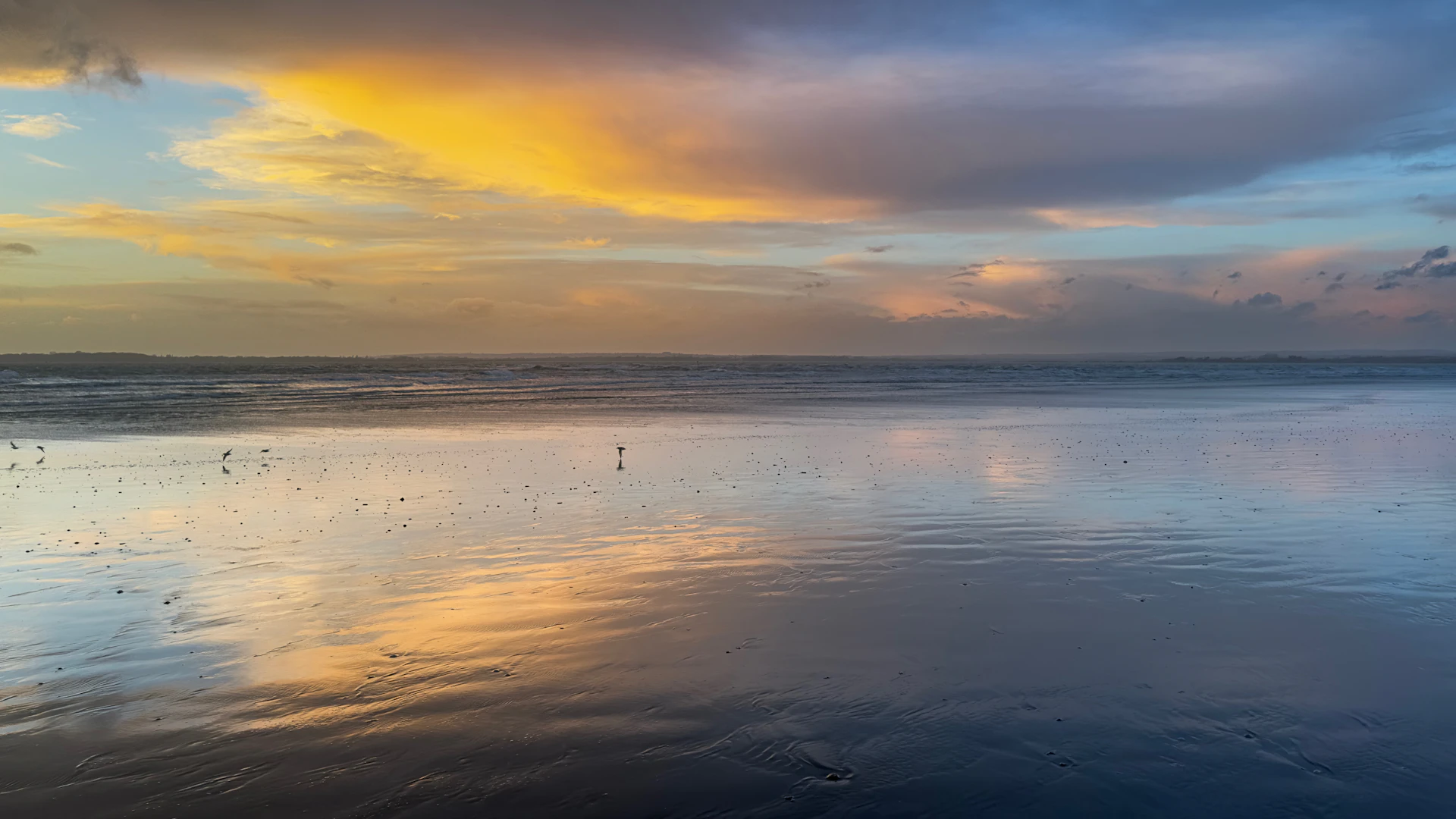
Hayling Island is one of the busiest and best-loved wing foil spots in the country. Reliable south-westerly sea breezes and a mix of flat, sheltered harbour water and more open sea create conditions for every level, backed by a strong local community and several centres offering lessons and hire.
Where to ride: the sheltered corner off Hayling Island Sailing Club gives access to flatter harbour water, but be aware of boat traffic, strong tidal currents and underwater obstacles – check in locally before you rig up for the first time. The seafront beaches suit riders wanting more open-water conditions.
💨 Portland Harbour – Dorset
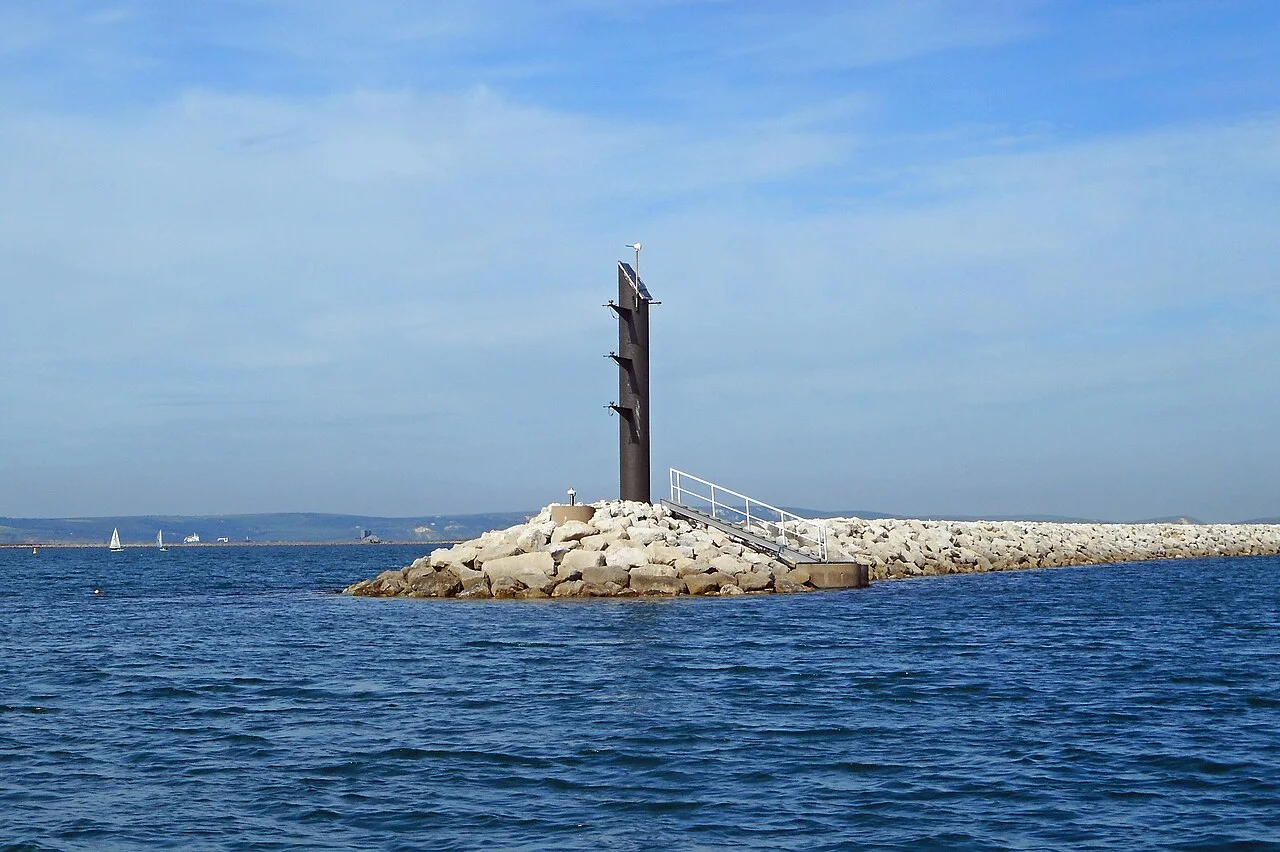
Portland Harbour is one of the most sheltered stretches of flat water anywhere on the UK coast. Protected by its breakwater and used as a national watersports venue, it offers huge, forgiving flat water – ideal for building flight time and dialling in transitions without the distraction of waves or heavy chop.
Where to ride: the Sailing Academy end of the harbour is the most popular launch point, with slipways and parking close by. Because the water is so protected, Portland is one of the few UK spots where wind rather than sea state is nearly always the limiting factor.
⚓ Poole Harbour – Dorset
Poole Harbour is one of the largest natural harbours in the world, and its sheltered, shallow water makes it another south-coast favourite for beginners. Gentle winds and a huge amount of space mean you are rarely short of room to practise, even on a busy summer weekend.
Where to ride: the shallower bays away from the main shipping channel and ferry routes are best for learners. Keep well clear of the Sandbanks chain-ferry channel and commercial traffic – Poole is a working harbour as well as a playground.
🌬️ Exposed coasts and wing foiling in waves
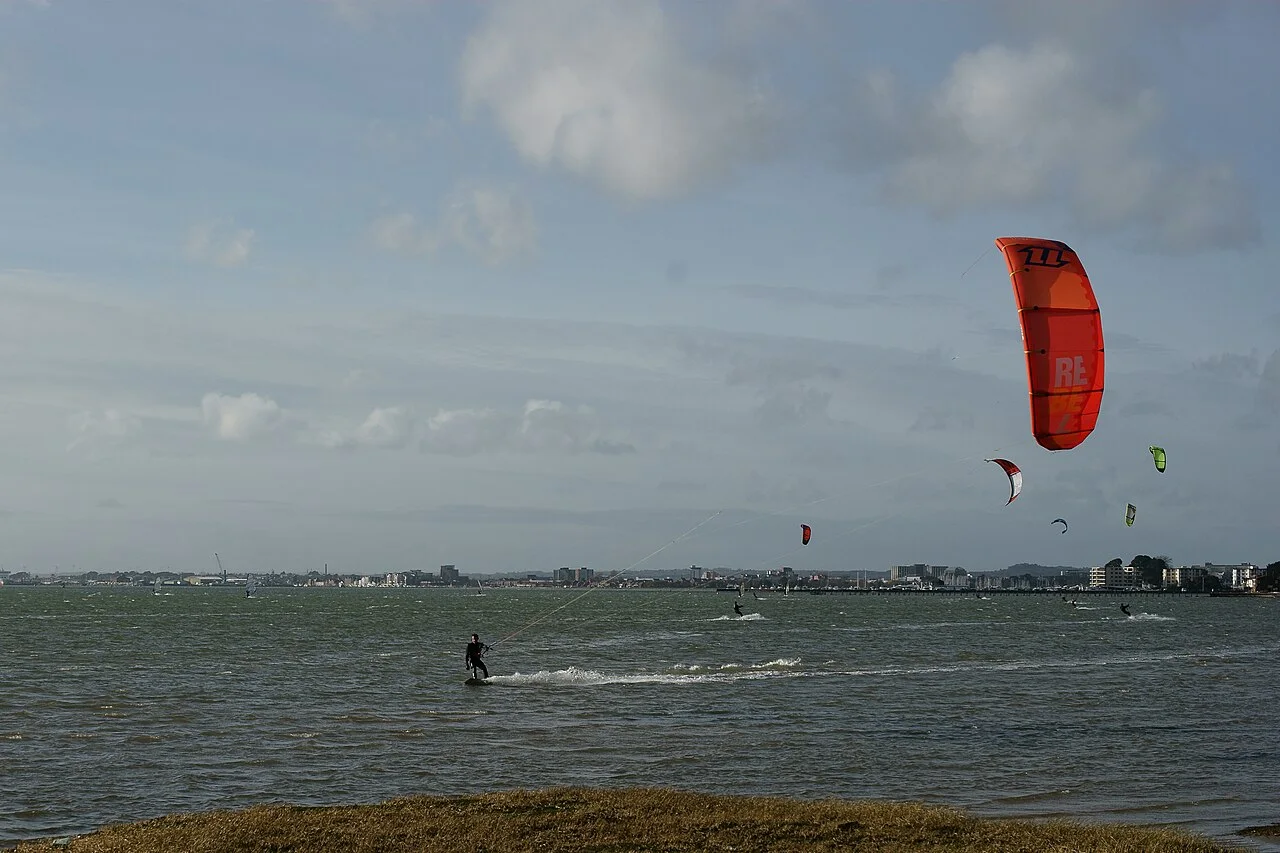
For riders who want more dynamic, engaged wing foiling, the UK's more exposed coastlines in the south east, the west country, Wales and Scotland deliver open swell, punchier winds and a more committing feel. These are the spots where wing surfing in waves really comes into its own — generally best suited to intermediate and advanced riders.
🏝️ Camber Sands – East Sussex
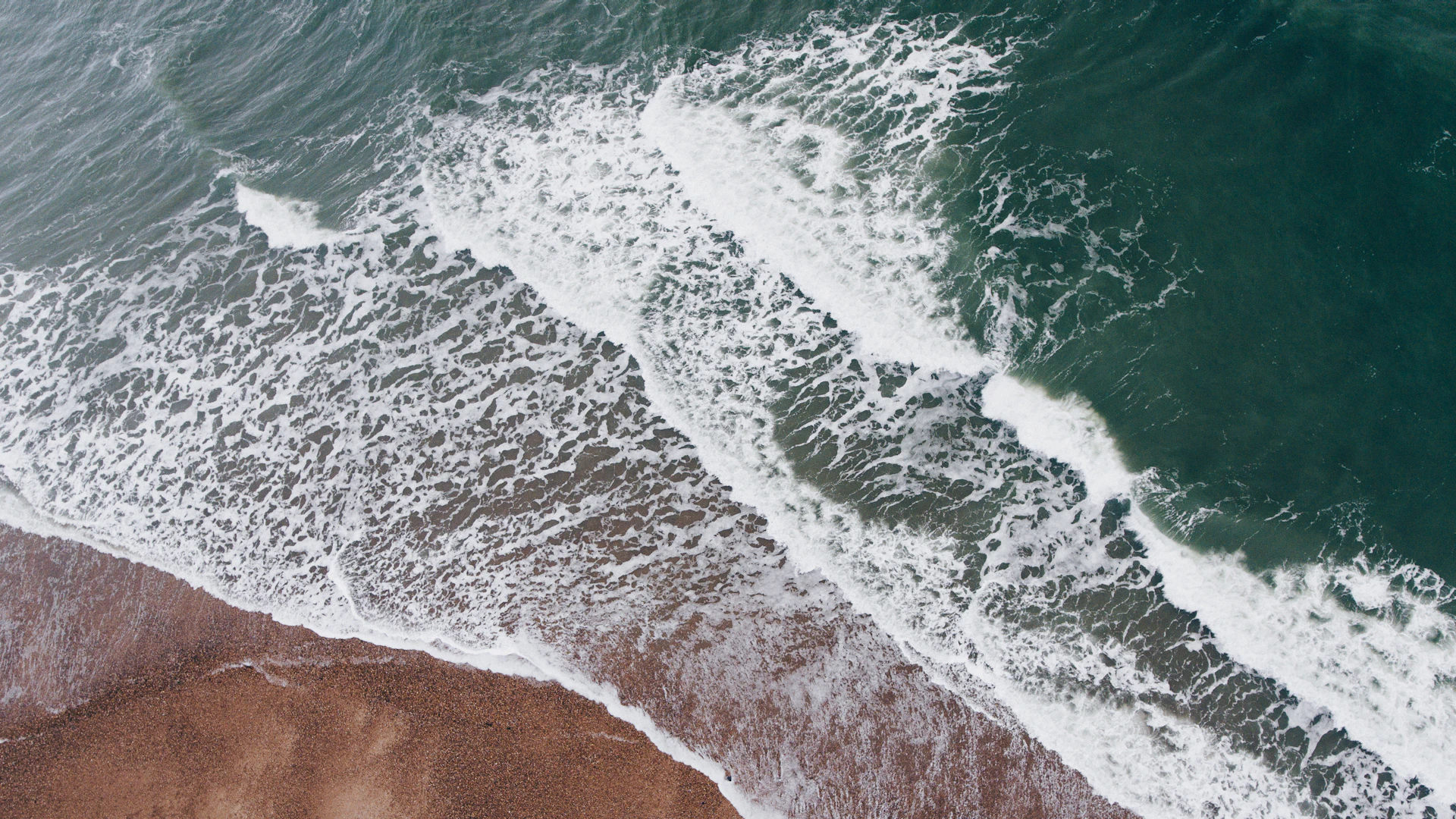
Camber Sands is a large, open beach on the south-east coast with plenty of space and a sandy bottom, sitting on a stretch of coastline (running towards Whitstable and Kent) that has become a popular corridor for wing foiling within easy reach of London. It picks up genuine swell when a south-westerly blows, giving wave-riding wingers plenty to work with.
Where to ride: the wide sandy beach gives easy, uncomplicated access at most states of the tide. Conditions can get punchy in a strong onshore blow, so this spot suits confident intermediate riders and up rather than complete beginners.
🌾 Exmouth – Devon
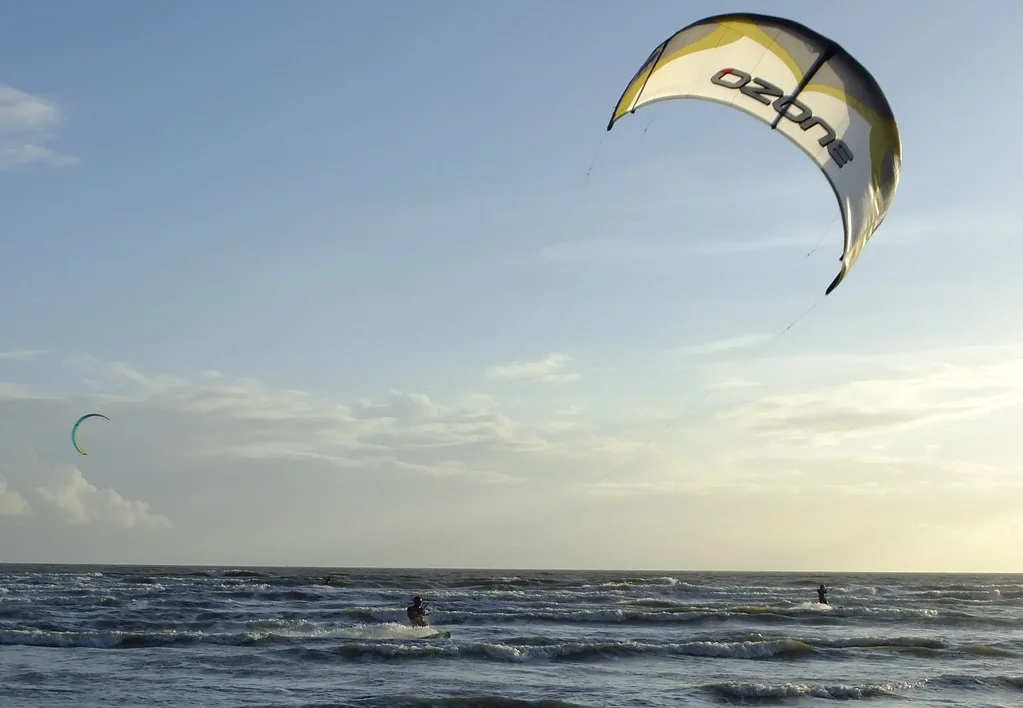
Exmouth, at the mouth of the River Exe estuary, offers good beach access and varied conditions between the open beach and the sheltered estuary. At low tide, extensive sand bars are exposed, creating flatter pockets of water alongside stronger tidal currents in the main channel – a spot that rewards local knowledge.
Where to ride: the seafront beach for open-water sessions, or the estuary side around the sand bars for flatter water depending on the state of the tide. Be aware of strong tidal flow in the main channel and plan sessions around the tide times.
🏄 Rhosneigr – Anglesey, Wales
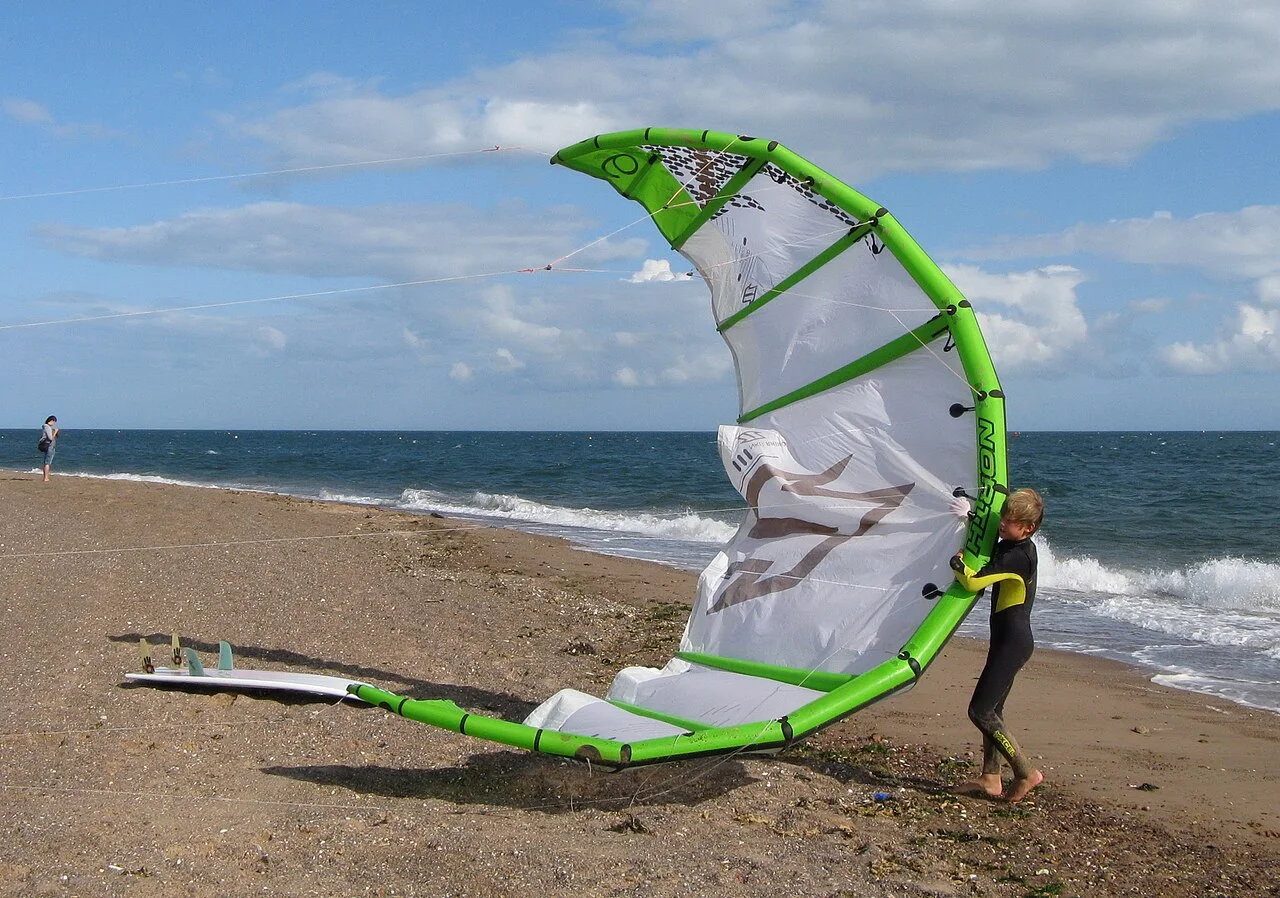
Rhosneigr is one of Wales's classic wind sports beaches, with several different exposures depending on wind direction – from flatter, sheltered bays to open-sea chop and swell. The lively local scene and consistent winds off the Irish Sea make it a magnet for intermediate and advanced wing foilers looking for waves.
Where to ride: Traeth Llydan (Broad Beach) is the main hub, with different bays offering shelter from different wind directions. Ask locally for the day's best-suited bay, since the right choice changes with the wind.
🏴 Tiree – Inner Hebrides, Scotland
Tiree is Scotland's windiest island and a legendary destination for wind sports, with wide-open Atlantic swell and wind that rarely lets up. It is uncrowded and strikingly beautiful, but cold, remote and committing – strictly for confident, well-equipped intermediate and advanced riders with a firm grasp of self-rescue.
Where to ride: the Maze and Balevullin, on the island's Atlantic-facing side, are the go-to beaches. Water temperatures rarely climb above 14°C even in summer, so a good wetsuit (or drysuit in winter) is non-negotiable.
🏞️ Inland lakes and reservoirs
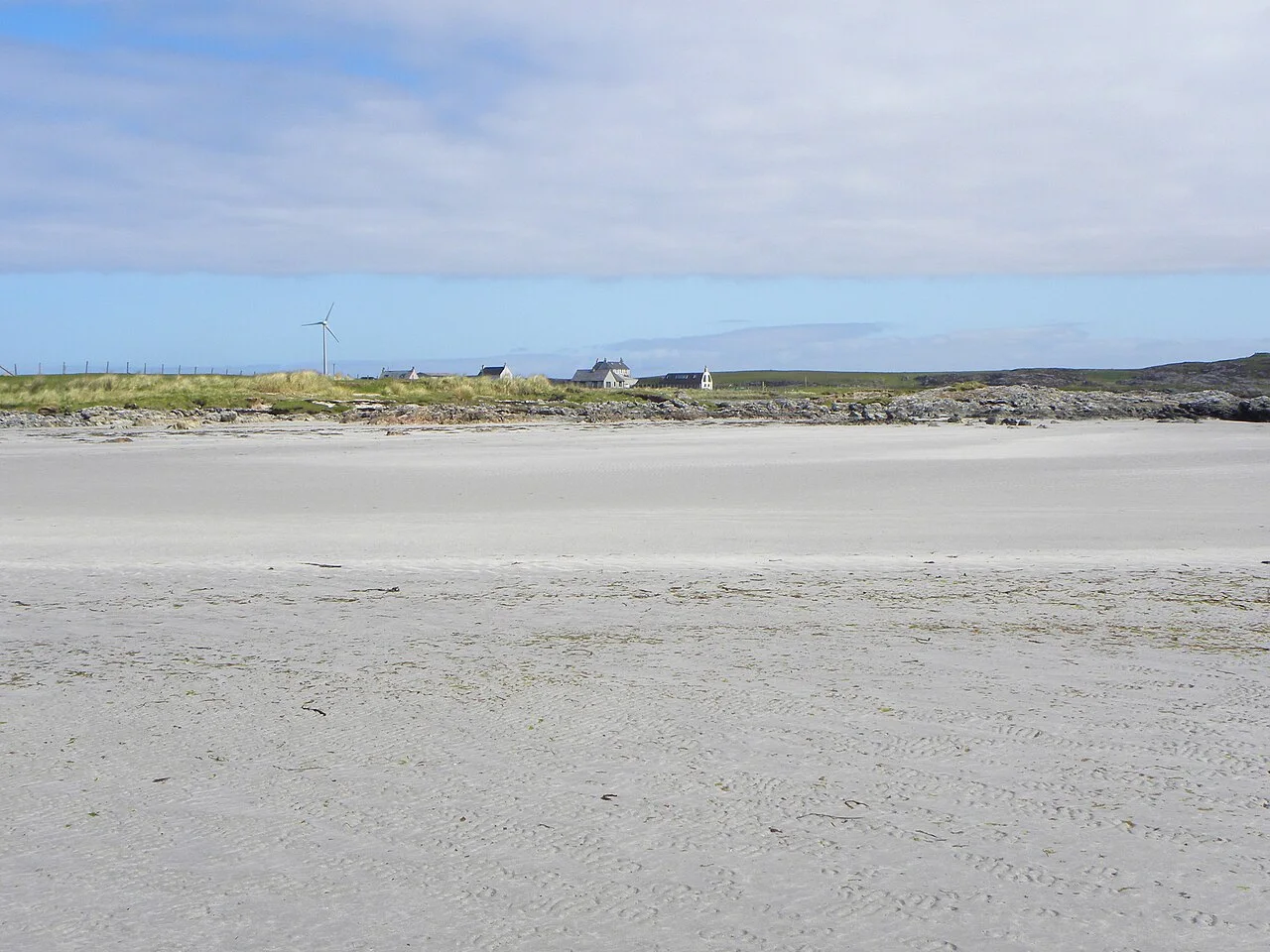
Britain's reservoirs and inland lakes offer wing foiling on flat water, free from tides, currents and the vagaries of the coast. Thermal breezes build reliably through summer afternoons, making them the ideal training ground for beginners and for stable-flight technique work. Note that many inland venues are run by a sailing club or watersports centre and require membership, a day permit or a booked session – always check the rules before you rig up, as some stretches of water restrict or ban wind-powered craft entirely.
💎 Rutland Water – Rutland
Rutland Water is one of the largest reservoirs in England and a well-known watersports hub, with wide-open water that gives beginners plenty of room to build confidence away from waves, tides and currents. Its central, inland location makes it an accessible option for wingers across the Midlands and the south east.
Where to ride: sessions are run through the watersports centres on site, so check ahead for wing foiling access, permits and any club membership requirements before you travel.
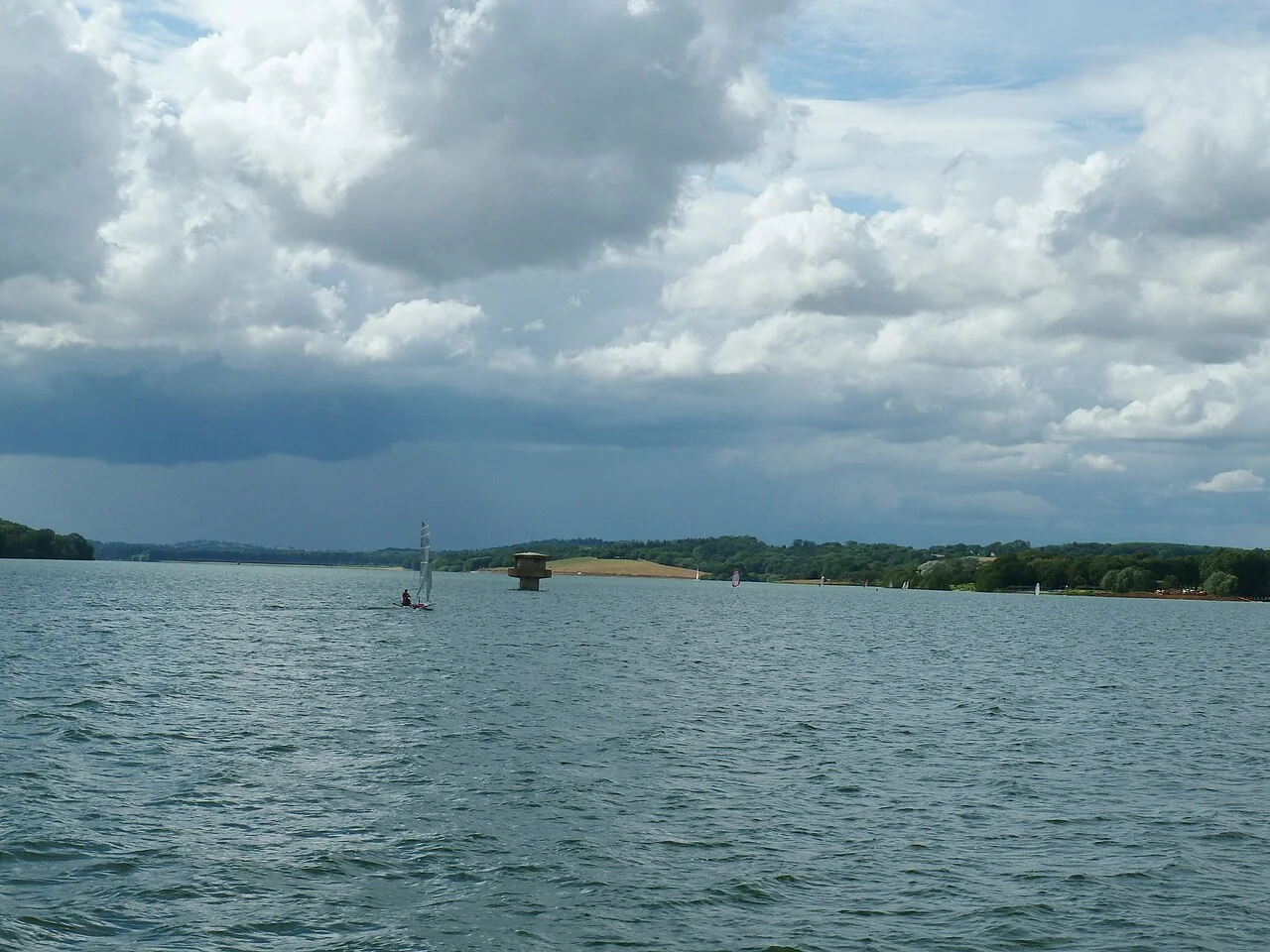
🌳 Grafham Water – Cambridgeshire
Grafham Water, near Huntingdon, is the joint third-largest reservoir in England by area and a popular inland spot for wing foiling within easy reach of Cambridge and London. Grafham Water Sailing Club runs sessions and lessons on site, making it a sound choice for structured inland practice.
Where to ride: access for wing foiling is through Grafham Water Sailing Club; get in touch with the club ahead of a visit to check current arrangements and any membership or visitor requirements.
Best wing foil spots by level
Ride water that matches your level and you'll progress faster and more safely. Our picks, level by level.
🟢 Beginner – flat water, moderate wind (10-18 knots)
| Spot | Region | Typical wind | Water |
|---|---|---|---|
| West Wittering | West Sussex | SW sea breeze 12-18 knots | Flat, shallow |
| Portland Harbour | Dorset | SW/W 12-18 knots | Flat, sheltered |
| Poole Harbour | Dorset | SW 10-16 knots | Flat, shallow |
| Rutland Water | Rutland | Thermal 10-15 knots | Flat, no tide |
| Grafham Water | Cambridgeshire | Prevailing 12-18 knots | Flat, no tide |
🟡 Intermediate – established wind, some chop (15-22 knots)
| Spot | Region | Typical wind | Water |
|---|---|---|---|
| Hayling Island | Hampshire | SW 15-22 knots | Flat (harbour) to chop (sea) |
| Exmouth | Devon | SW/W 15-22 knots | Sand bars, tidal |
| Rhosneigr | Anglesey | W/SW/NW 15-22 knots | Chop, exposure dependent |
🔴 Advanced – strong wind, waves (18-25-plus knots)
| Spot | Region | Typical wind | Water |
|---|---|---|---|
| Camber Sands | East Sussex | SW 18-28 knots | Open swell |
| Tiree | Inner Hebrides | W/SW 18-30 knots | Atlantic swell |
| Rhosneigr (exposed bays) | Anglesey | W/NW 20-28 knots | Waves |
| Hayling Island (seafront) | Hampshire | SW 18-25 knots | Open water chop |
💨 Wind conditions for wing foiling
Wing foiling is one of the most wind-accessible board sports around. Unlike kitesurfing (which usually needs 15-plus knots) or windsurfing (20-plus knots to feel comfortable), a wing gets you flying from as little as 10 knots, because the foil cuts drag so drastically.
The sweet spot: 10-25 knots (12-29 mph)
- 10-15 knots / Force 3-4 (light wind): ideal for beginners. A 5-6m² wing is enough to get you moving. Flight is gentle and falls are progressive. Perfect for learning handling and your first flights.
- 15-20 knots / Force 4-5 (moderate wind): the comfort zone for intermediates. A 4-5m² wing is ideal. Flight is stable, transitions become possible, and pumping starts to pay off. This is the most common wind band on the UK's best spots.
- 20-25 knots / Force 5-6 (established wind): for advanced riders. A 3-4m² wing is enough. Flight is fast and powerful, and sessions get sporty. Beginners should sit this one out.
- 25-plus knots / Force 6+ (strong wind): for experts only. A wing of 3m² or smaller is needed. Control gets difficult and falls are hard. Even advanced riders need to be cautious.
Always check the forecast before you head out: the Met Office marine forecast, Windy and Windguru are the go-to references. Look for a stable wind window (few gusts) for your sessions.
Regional winds to know
- South-westerlies (south coast): the UK's most common wind direction, tied to the prevailing Atlantic weather systems. Reliable through spring, summer and autumn on Hampshire, Sussex and Dorset spots.
- Sea breezes (all coasts): a thermally driven onshore wind that builds through the afternoon on warm, sunny days, even when the gradient wind is weak. Common on the south coast in summer, often peaking between 1pm and 6pm.
- Westerlies (Wales, west country, Scotland): frequent and tied to Atlantic low-pressure systems. Less predictable day to day than a settled south-easterly, but reliably windy overall from spring to autumn.
- Thermal breezes (inland lakes): build over the middle of the day (11am to 6pm) as the land heats up. Predictable in summer on reservoirs, typically 10-18 knots.
How to choose your wing foil spot
The right spot depends on your level, on the day's conditions and on what you're after – flat water, waves, atmosphere or facilities. These are the factors worth weighing up.
1. Match the spot to your level
Beginner: favour flat, shallow water (harbours, reservoirs, sheltered bays) with moderate wind (10-18 knots). Avoid wave spots and strong wind. West Wittering, Portland Harbour and Poole Harbour are ideal.
Intermediate: you can explore more exposed spots (Hayling Island seafront, Exmouth, Rhosneigr) and start riding in more consistent wind (15-22 knots).
Advanced: the wave spots (Camber Sands, Tiree, Rhosneigr's exposed bays) are where the best riding is. Strong wind (20-25-plus knots) becomes an ally rather than a limit.
2. Check the day's conditions
Before you travel, check:
- The wind: direction, average strength, gusts (Windy, Windguru, the Met Office marine forecast)
- The tide (coastal spots): water depth, height and timing – many south coast spots change character dramatically between high and low water
- The swell: size, period, direction (for open-sea spots)
- Water temperature: to choose the right wetsuit thickness
3. Think about logistics
A good spot is also an accessible one: parking nearby, an easy launch, and ideally a hire centre or school close by. Spots like West Wittering, Hayling Island and Portland Harbour tick all these boxes.
Looking for more wing foil destinations in the UK and further afield? Explore our UK destinations guides and our tips on getting started with wing foiling.
4. Respect local rules
Some spots have restrictions: no-foiling zones near bathers, wildlife protection periods, or minimum distance rules. Check with the local council, harbour authority or landowner before you rig up. Wearing a helmet and an impact vest is strongly recommended, and a leash (waist or ankle) is required at some venues.
To take your wing foiling further, see our guides to wing foil gear, our progression techniques and our wing foil courses run by certified instructors.
Frequently asked questions about wing foil spots
What wind do you need to wing foil?
Wing foiling is best in 10 to 25 knots (12 to 29 mph) of wind. Below 10 knots, the wing lacks the power to sustain flight. Above 25 knots, control becomes difficult. Beginners should aim for 12-18 knots, intermediates 15-22 knots and advanced riders 18-25-plus knots.
What is the best wing foil spot for beginners in the UK?
West Wittering and Hayling Island are the UK's top spots for beginners: shallow, flat water, reliable sea breezes and easy access, with instructors and hire nearby. Portland Harbour and Poole Harbour are strong alternatives, with sheltered water and gentle winds.
What are the best UK wing foil spots for waves?
Camber Sands and Exmouth offer good wave conditions, while Rhosneigr on Anglesey and Tiree in Scotland are the reference spots for wing foiling in swell. These spots suit intermediate and advanced wing foilers.
Can you wing foil on a lake or reservoir in the UK?
Yes, inland wing foiling is popular at reservoirs such as Rutland Water and Grafham Water. Thermal breezes build through the afternoon in summer, and flat water is ideal for progressing with stable flight. Always check local wind-sports rules and permits before you rig up.
What is the best season for wing foiling in the UK?
The main season runs from April to October at most spots. The south coast can be ridden year-round with the right kit. Autumn (September to October) often brings the most reliable and uncrowded wind, while spots like West Wittering and Portland Harbour stay rideable well into winter for well-equipped riders.