

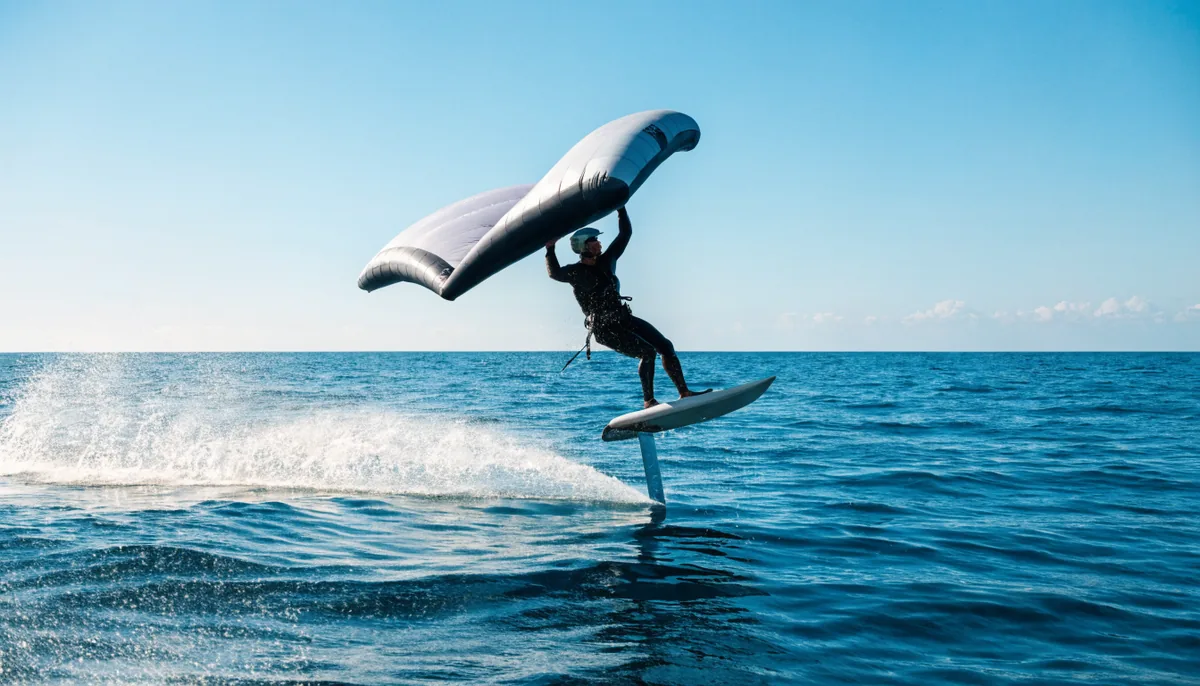
The hydrofoil is quietly reshaping every board sport, from wing foil and surf foil to kite foil and tow foil. Find the discipline that suits you, and how to get started safely.
Pairing a handheld wing with a hydrofoil, wing foil is the fastest-growing board sport around. It works in moderate wind, needs no lines or harness and is the most beginner-friendly way onto a foil.
Start foiling arrow_forward
Surf foil turns small, gutless waves into long, silent glides. There's no engine and no wing, just the foil and the swell, so it suits confident surfers after a new sensation.
Learn more arrow_forward
Add a kite to the foil and the speeds climb quickly. Kite foil rewards riders chasing pure performance, and it demands solid kite skills before you clip in. Tow foil, behind a boat or jet-ski, is another route in.
Learn more arrow_forward
Get the front wing area, mast length and board volume right and your first flights come far easier. Our editorial guide walks through the choices for each level and discipline.
See the gear arrow_forward
The foil is sharp and it carries real speed, so a handful of honest rules keep every session safe – helmet, impact vest, enough depth under the mast and plenty of room from other water users.
Read the safety guide arrow_forward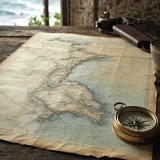
Shallow, sandy, sheltered water with room to spare is ideal for learning. Browse our destinations to find flat-water estuaries and gentle bays that suit your first flights.
Explore the spots arrow_forwardFoiling looks daunting from the beach, but it's learnable. Get decent coaching and sensible kit and the first flights arrive quicker than you'd expect.
Prerequisites, the disciplines compared, beginner-friendly kit and a clear progression from first taxi runs to controlled flight. Everything you need to start foiling.
Read the guide arrow_forwardA shorter mast, a long fuselage and a big, high-lift front wing make foiling far easier to learn. Our editorial gear guide explains how to size each part to you.
Size up your kit arrow_forward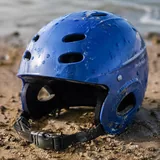
Sharp wings, a hard mast and a lot of speed: on a foil the basic safety habits are non-negotiable. Learn how to carry the kit, pick your depth and keep well clear of other people.
Safety essentials arrow_forward
Room to fall in and few other water users matter as much as the depth does. Picking your location well is what keeps early foiling safe.
Find a spot arrow_forwardLift, angle of attack, the mast, fuselage and wings explained simply.
Read the guide arrow_forward