

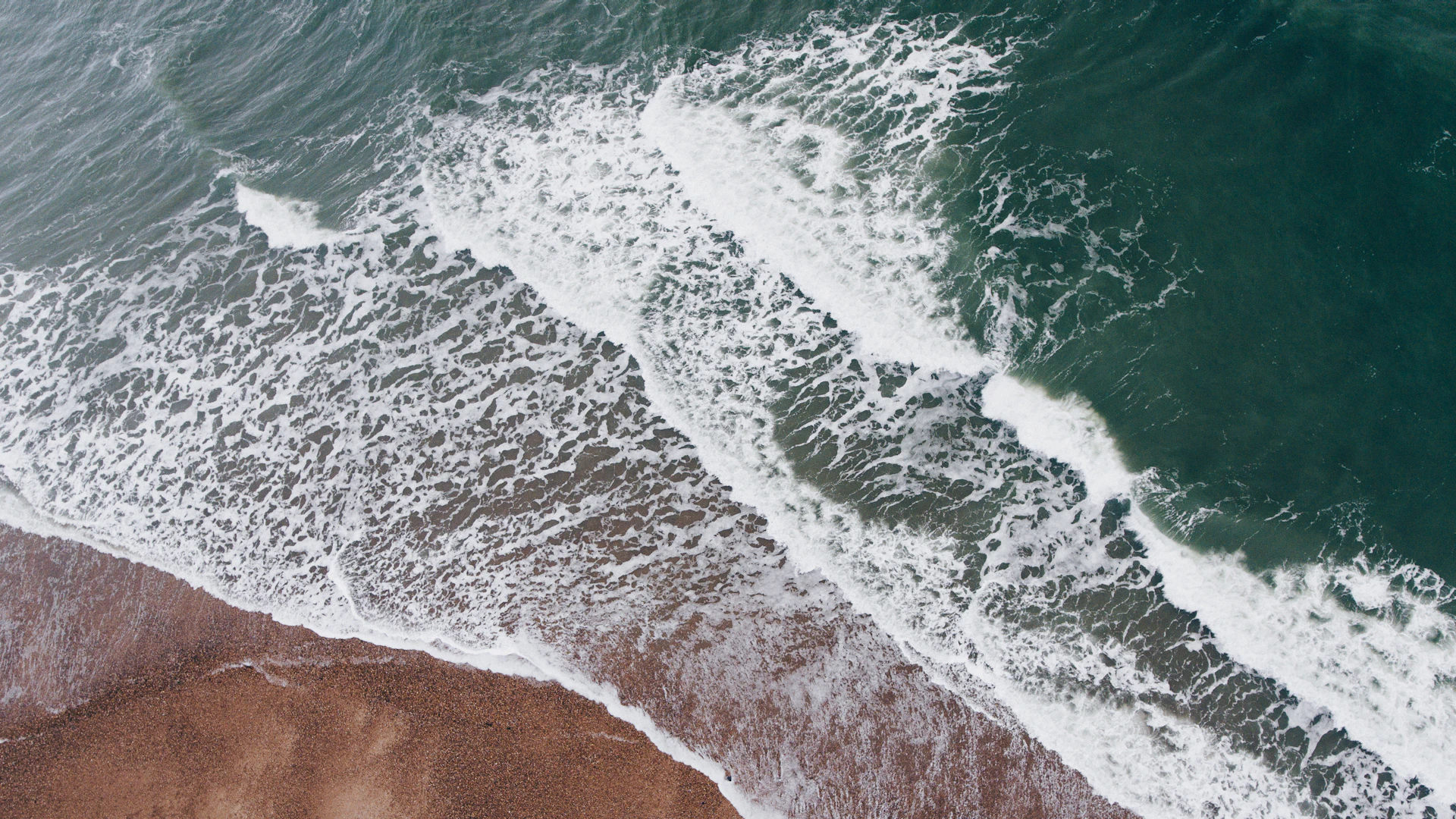
The home of windsurfing and a premier South Coast base for kitesurfing, windsurfing and wing foiling.
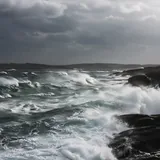
Peter Chilvers built and sailed the world's first sailboard off Hayling Island in 1958. The prevailing south-westerly and the island's mix of open sea and sheltered harbours mean there's nearly always somewhere that works.
UK spots arrow_forward
Esso Beach and the low-tide lagoon at Beachlands give safe, shallow, flat water to learn on. CBK Hayling Island and Hayling Island Sailing Club run accredited tuition for all levels.
Explore more arrow_forward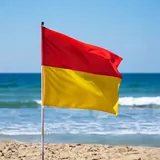
Swim between the red-and-yellow flags and keep surf-craft in the black-and-white chequered zone. Watch for strong harbour tides and offshore winds, and in an emergency dial 999 for HM Coastguard.
Plan a trip arrow_forwardAn island setup means a spot for almost every wind direction, from flat-water lagoons to jumping waves.
West Beach, particularly beyond the Inn on the Beach, is the most popular windsurfing spot on the seafront. A sandbar shelters the inside, giving flat water in westerly winds at low tide, while south-west or southerly winds turn it into a fun jumping-wave spot. The bar can be shallow at low tide, and high tide is best avoided because of the shore dump. Beginners and early intermediates should also steer clear of mid-tide here, when there's a strong rip into Langstone Harbour.
View on Google Maps open_in_newTucked near the island's entrance in Langstone Harbour, this west-facing beach is one of the few South Coast spots that works in a northerly wind. It offers very safe, flat water and is a favourite with beginners, freeriders and freestylers, with a shingle bank roughly 100 metres out that knocks down the chop. The seabed has sharp shells, so wear foot protection, and note that easterly winds make it offshore and gusty.
View on Google Maps open_in_newBeachlands is a classic windsurfing location on a steep shingle beach, where an 800-metre offshore sandbank creates a shallow lagoon at low tide that's excellent for beginners. Kitesurfers must be members of the CBK Kitesurf Club to ride at Beachlands, but can launch further east near the 'Coastguard Café' without membership. Over on the east side, Hayling Island Sailing Club (HISC) sits in Chichester Harbour and gives excellent flat water in strong westerlies at low tide – but the tidal flows here can reach 10 to 15 knots, so it suits confident sailors only, and access is for members or guests.
View on Google Maps open_in_newAccredited centres for kitesurfing, windsurfing, wing foiling and stand-up paddleboarding.
Established in 1999, CBK Hayling Island is one of the longest-running kitesurf centres in the UK. Its team of senior British Kitesports instructors teaches kitesurfing, wing foiling and stand-up paddleboarding, and running the CBK Kitesurf Club is how kiters gain access to ride at Beachlands.
Hayling Island Sailing Club (HISC) is an RYA-accredited training centre offering dinghy and windsurfing courses, including instructor qualifications. For one-to-one coaching, GetWindsurfing runs private and group windsurfing lessons with experienced former international competitors, and Sandy Point Watersports operates alongside the club. Look for British Kitesports and RYA accreditation when you book.
The sea off Hayling Island peaks at around 16 to 19°C in mid-August, warm enough for a 4/3mm wetsuit, and drops to roughly 8 to 9°C in early March, when you'll want a well-fitting 5/4mm or 6/5/4mm suit with gloves and a hood. Get the rubber right and you can ride comfortably right through the seasons.
A friendly South Coast island with a long watersports heritage and easy seafront access.
Few places have Hayling Island's claim to fame: this is where the sport of windsurfing began, and the island has been a magnet for wind-driven watersports ever since. The seafront strings together West Beach, Beachlands and the harbour spots, all within a short drive, so it's easy to follow the wind from one zone to the next across a day.
When the wind drops, the seafront, the shingle beaches and the walks around Langstone and Chichester Harbours give plenty to fill the time. There are cafés along the front and space to spread out, though on hot summer weekends the single bridge onto the island means traffic and parking fill up fast.
An easy run from the South East, by rail to Havant or straight down the A3 by car.
The nearest station is Havant, roughly 5 miles from the island, with good links along the South Coast and up to London. From Havant, local buses or a taxi finish the journey to the seafront spots.
The island sits at the southern end of the A3, an easy drive from around South West London – roughly 1 hour 20 minutes from Surbiton to the West Beach car park. Just one bridge links the island to the mainland, so it can get congested on hot summer weekends; arrive early to beat the queues and the parking crush.
There are several car parks along the seafront. Charges apply daily from 6am to 10pm, seven days a week, so in busy periods you'll want to turn up early to land a space near your chosen zone.
Read the wind and the tide, and know the flag system before you launch.
The prevailing wind is south-westerly, and the summer sea breeze from the south and south-west is most reliable between April and October. Westerly winds at low tide give flat water at West Beach, south-west or southerly winds bring jumping waves, and Esso Beach comes into its own in a northerly. Beginner wing foilers tend to find their feet in 12 to 20 knots (14 to 23 mph). See how Hayling Island compares in our guide to the best wing foil spots in the UK.
The tidal streams in Langstone and Chichester Harbours are powerful, reaching 10 to 15 knots in places, and can carry a rider or kit out to sea quickly. An orange windsock on the beach signals an offshore wind, which makes getting back to shore hard – a serious concern for kitesurfers and windsurfers. Swim between the red-and-yellow flags, keep surf-craft to the black-and-white chequered zone and never enter the water when the red flag is flying. In an emergency, dial 999 and ask for HM Coastguard.
Hayling Island's bathing waters have held an 'excellent' rating every season since 2001, but storm wastewater and emergency overflows can affect quality during or shortly after heavy rain. Surfers Against Sewage monitors the area through its Safer Seas & Rivers Service app, so it's worth a quick check before you paddle out, especially after downpours.
The questions kite, wind and wing riders ask most before a trip to the South Coast.
Yes. Hayling Island offers excellent conditions for beginners, particularly at Esso Beach (The Oyster Beds) in Langstone Harbour, which gives safe, flat, shallow water. A sandbank 800 metres offshore at Beachlands also creates a shallow lagoon at low tide that's ideal for learning.
The prevailing wind is south-westerly, and the summer sea breeze from the south and south-west is most reliable between April and October. Westerly winds at low tide give flat water at West Beach, while southerly and south-westerly winds bring fun jumping waves. Esso Beach is one of the few South Coast spots that works in northerlies. Beginner wing foilers do well in 12 to 20 knots (14 to 23 mph).
Water peaks at around 16 to 19°C in mid-August, when a 4/3mm wetsuit is comfortable. In early March the sea drops to roughly 8 to 9°C, so a well-fitting 5/4mm or 6/5/4mm wetsuit with gloves and a hood is needed.
Yes. Tidal flows in Langstone and Chichester Harbours can reach 10 to 15 knots in places. Beginners and early intermediates should avoid mid-tide at West Beach because of the strong rip into Langstone Harbour, and Hayling Island Sailing Club advises that strong tides require confident sailors.
Hayling Island's bathing waters have held an 'excellent' rating every season since 2001, but quality can be affected by storm wastewater discharges after heavy rain. Check the Surfers Against Sewage Safer Seas & Rivers Service app for real-time alerts, particularly after heavy rainfall. Explore more spots on our UK destinations hub.