

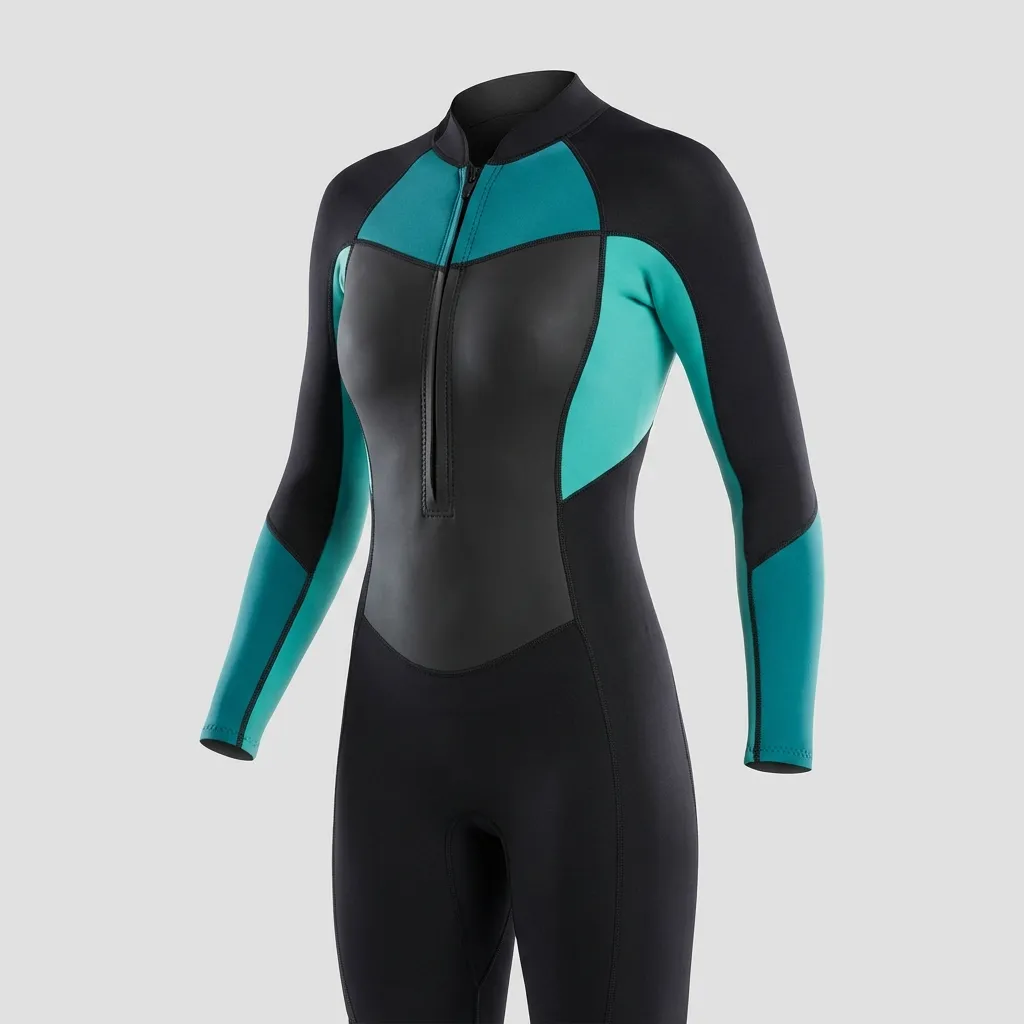
Getting into UK water in the right wetsuit is the difference between a session you don't want to end and one cut short by cold. Whether you're surfing a Cornish reef break, kitesurfing on an exposed east-coast beach or paddleboarding a sheltered estuary, the neoprene you choose shapes the whole experience. This guide covers thickness, construction and fit so you can buy with confidence.
The right wetsuit won't make up for poor sea sense. Check conditions with the Met Office before you head out, and follow RNLI beach safety advice, especially in cold water. If you or someone else gets into difficulty, call 999 and ask for the Coastguard.
Wetsuit types by sport
Surf wetsuits: flexibility and watertightness
Surfing demands a suit built to move freely: maximum shoulder flexibility, sealed seams and supple neoprene through the torso. Both back-zip and chest-zip designs are common, with pre-curved panelling that reduces drag and restriction when you're paddling and popping up. High-performance neoprene is typically used around the elbows and knees, where flex and durability both matter, and watertightness comes from glued and blind-stitched seams or fully taped panels on the better suits.
Kitesurf wetsuits: built for impact and freedom of movement
Kitesurfing involves hard landings and constant contact with the board and water surface, so look for suits with reinforced panels (4/3mm minimum) at the seat, knees and calves. Chest-zip designs with the zip positioned to avoid rubbing under a harness are the ones to look for, and flatlock or reinforced seams add durability where kite riders put a suit under the most strain.
SUP and windsurf wetsuits: comfort and sun protection
SUP and windsurfing call for a balance between warmth and staying cool. In summer, a shorty in a light 2mm neoprene protects against sunburn (look for UPF 50+ fabric) without overheating on a long paddle. In colder months, a 3/2mm suit with removable arms offers useful flexibility as the weather turns. The priority throughout is a comfortable fit under the arms, since both sports involve repetitive overhead movement with a paddle or boom.
Choosing thickness by season
| Thickness | Water temperature | Typical UK season | What to look for |
|---|---|---|---|
| 2mm / Shorty | 18°C+ | High summer, south coast | Shorty or sleeveless full suit |
| 3/2mm | 15–18°C | Late spring to early autumn | Chest-zip, sealed seams |
| 4/3mm | 11–15°C | Autumn and spring around most of the UK | Taped seams, optional attached hood |
| 5/4mm + hood | 6–11°C | UK winter, exposed north and west coasts | High-stretch panels, boots and gloves recommended |
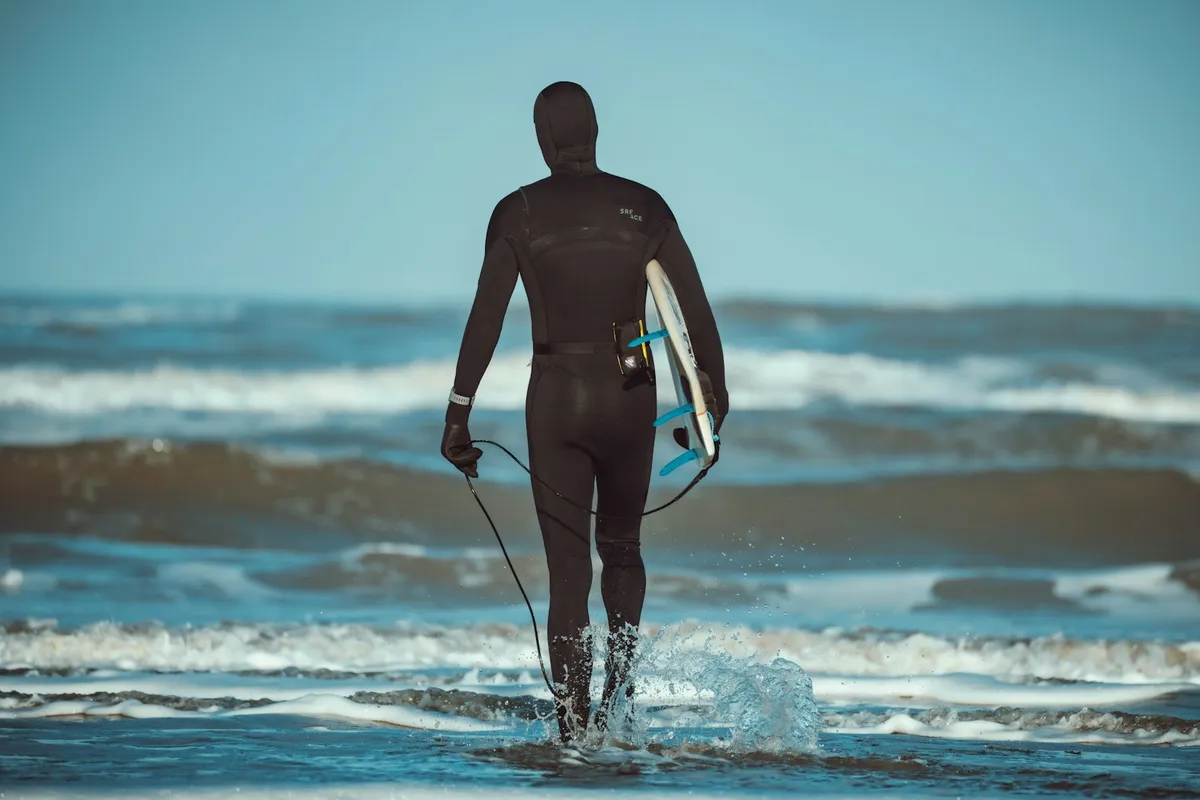
The buying criteria that matter
Zip type: back-zip, chest-zip, zip-free
- Back-zip: quick and easy to get in and out of solo, but flushes more in rough or powerful conditions.
- Chest-zip: a snugger fit through the torso and less water movement, at the cost of being slightly more fiddly to put on.
- Zip-free entry: increasingly common on premium suits, with a stretch panel instead of a zip for the driest, most flexible fit.
Seams: flatlock, blind-stitched, taped
- Flatlock: visible stitching, strong but lets a small amount of water through – fine for warmer-water suits.
- Blind-stitched (glued and blind-stitched, GBS): needles don't fully pierce the neoprene, giving a much more watertight seam.
- Taped or liquid-sealed: an additional layer bonded over the seam to close it completely – the standard on winter and premium suits.
Neoprene: standard, limestone and high-stretch grades
- Standard petroleum-based neoprene: the most affordable option, but less durable and less flexible over time.
- Limestone-based neoprene: lighter and warmer for its weight, though slightly less stretchy.
- Premium high-stretch neoprene (such as Yamamoto): prized for flexibility and longevity. It absorbs very little water by weight and has a low resistance to stretch, which is what gives top-tier suits their supple feel.
If you're torn between two thicknesses, go for the thicker one. It's always easier to peel off a hood when you're warm than to shiver through a session in a suit that's too thin for the water.
Buying by budget
Budget: entry-level, occasional use
Entry-level suits get you into the water with basic watertightness and standard neoprene. The trade-off is less flexibility and a shorter working life – expect two to three seasons of regular use before performance drops off. Worth a look if you're new to the sport and not yet sure how often you'll be in the water.
Mid-range: a solid balance for regular riders
Suits in this bracket typically feature more advanced neoprene blends and taped seams, and suit anyone getting in the water two or three times a week in moderate UK conditions. This is where most regular surfers, kitesurfers and paddlers end up once they've moved past a first, basic suit.
Premium: cold-water specialists and daily use
Premium suits use the highest-grade neoprene, fully sealed seams and the most flexible construction available. Worth it for long sessions in cold water, competition use, or if you're in the water most days and want a suit that will hold up to it.
Brands to know
- O'Neill: a pioneer of the back-zip suit and a long-standing reference point at the premium end.
- Rip Curl: known for textile innovation and a broad range that spans budget to performance.
- Xcel: consistently rated for flexibility, with technology aimed at minimising water flush.
- Patagonia: builds suits from natural rubber (Yulex) rather than standard neoprene, at a premium price.
- Vissla: retro styling paired with durable materials, popular with all-round riders.
- Manera: a kitesurf specialist, with suits built specifically to withstand harness wear and hard landings.
Care and lifespan
- Rinse immediately: fresh, cold water after every session removes salt and grit before they work into the seams.
- Dry in the shade: direct sun breaks down neoprene and fades the colour over time.
- Use a proper wetsuit wash occasionally to keep the neoprene from stiffening or smelling.
- Store on a wide hanger: never fold a suit away for a long period, as this creases and weakens the neoprene.
- Realistic lifespan: two to five years with regular use, depending on how it's cared for and how demanding the sport is on the seams.
For the rest of your kit, see our full watersports gear guide.