

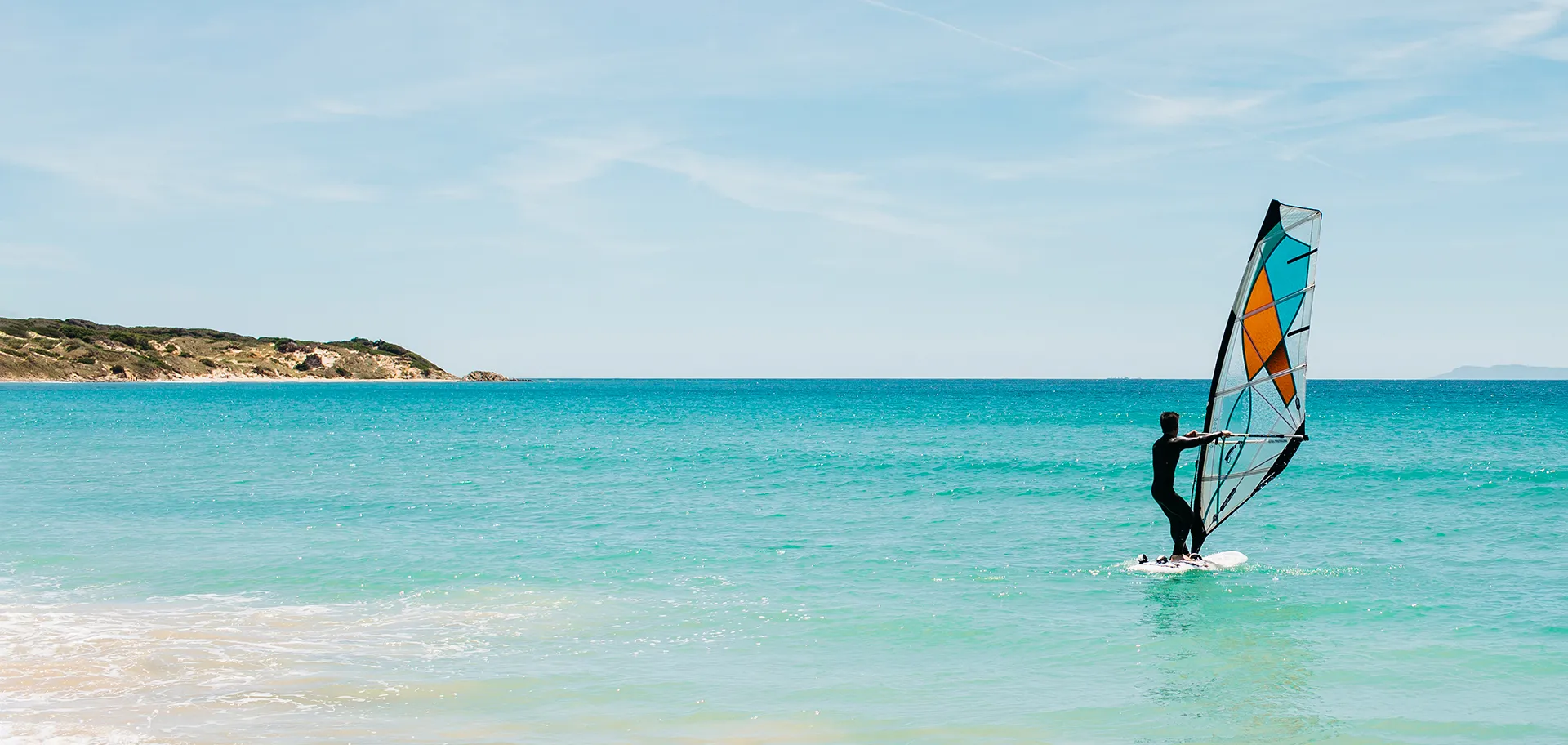
What is surf foil?

The concept
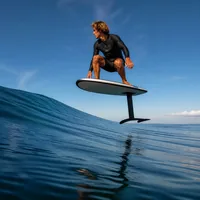
Surf foil means fitting a hydrofoil (an underwater wing) beneath a surfboard. As soon as the board picks up speed, the foil generates lift and raises the board clear of the water. What you get is a silent, fluid glide that no longer depends on the immediate power of the wave.
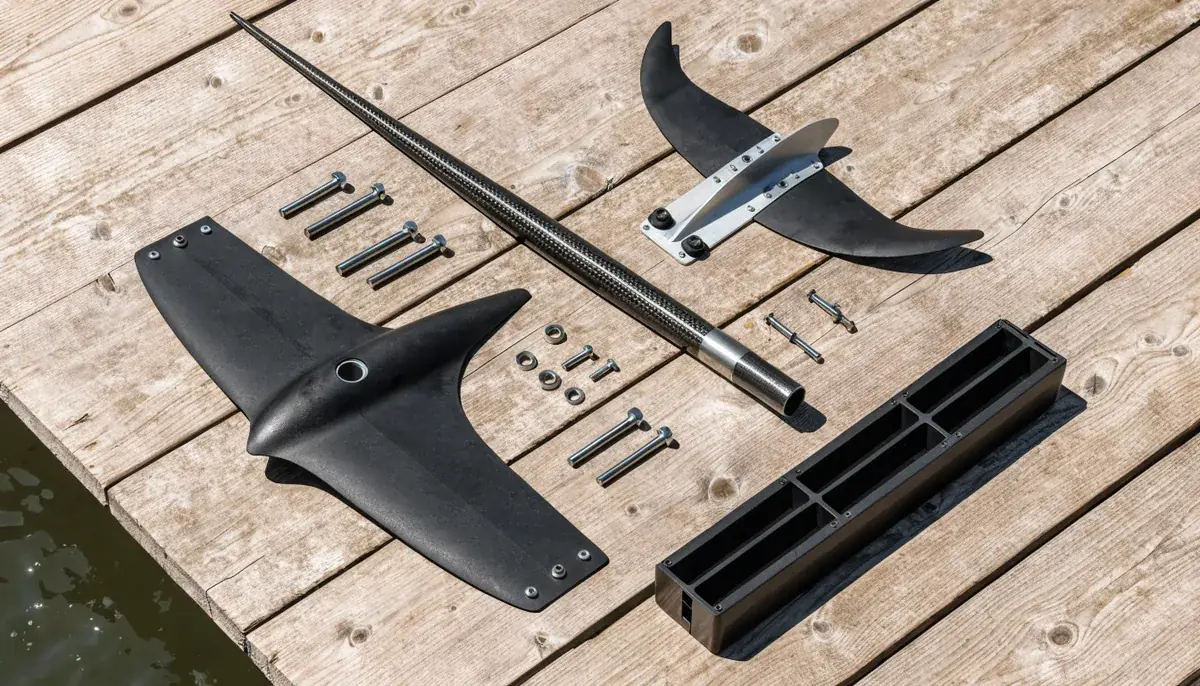
The components
The mast (60–75cm) links the board to the foil. The fuselage (70–80cm) connects the mast to the wings. The front wing (1,500–2,000cm²) generates lift. The stabiliser manages pitch and roll.

Who is it for?
Surf foil requires at least an intermediate level in ordinary surfing. You need to have the pop-up down, be able to read waves and know how to position yourself in the line-up. A complete beginner to surfing shouldn't jump straight onto a foil.
How do you get started with surf foil?
Progression in surf foil is technical but hugely rewarding. Here are the key stages to landing your first flights.

Prerequisites: your surfing level
You should be able to catch waves independently on medium-sized swell (roughly 0.8–1.2m), carve committed turns, and stay calm when you lose control.

The gear to start with
A board of your body weight plus 20 to 30 litres, a large front wing (1,500–2,000cm²) and a 60–75cm aluminium mast. A foil with a bigger wing area gives more lift at low speed.

Your first take-offs
Start on small, regular waves (under 1m). The goal isn't to surf the wave, it's to feel the take-off and hold a few seconds above the water. Most beginners feel their first flight after 3–5 sessions.

Progressing to controlled flight
Once take-off is sorted, work on managing your flying height and your line. The big challenge in surf foil is staying at the right altitude: too high loses lift, too low and the board touches the water.
Safety and where to practise
Foiling demands real respect for safety – those mast and wing edges are sharp.
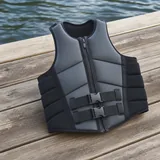
Protective kit
A helmet is a must while you learn. Use an ankle leash (never a waist leash, since you need to be able to get clear of the board if you fall). Neoprene boots protect your feet from the foil's edges.
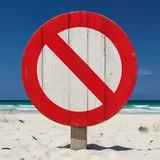
Give everyone else a wide berth
A foil is not something to take anywhere near swimmers, bodyboarders or other surfers – it creates a danger zone several metres across around the rider. Keep well clear of the RNLI red-and-yellow bathing flags at all times.
Suitable spots
Look for spots with gentle, regular swell, a sandy bottom and few other water users. Gently sloping beach breaks are ideal. Avoid reefs, rocky areas and crowded line-ups.
The best UK spots for surf foil
The south-west coast and parts of Wales and Scotland are home to the UK's most active surf foil scenes.
Croyde Bay (Devon)
A sandy-bottomed beach break with regular, clean waves, popular with the local foil community. Best suited to intermediate-to-advanced riders on a busy swell.
Freshwater West (Pembrokeshire)
A wide, sandy Welsh beach with consistent swell and a moderate crowd outside peak season, making it one of the more accessible UK spots to get started with surf foil.

Thurso (Scotland)
A quality reef-influenced wave in a remote setting with few crowds outside the main season. Watch for rocky bottoms and strong currents, and go with a local who knows the break.
Related guides
More ways to fly above the water
Kite Foil
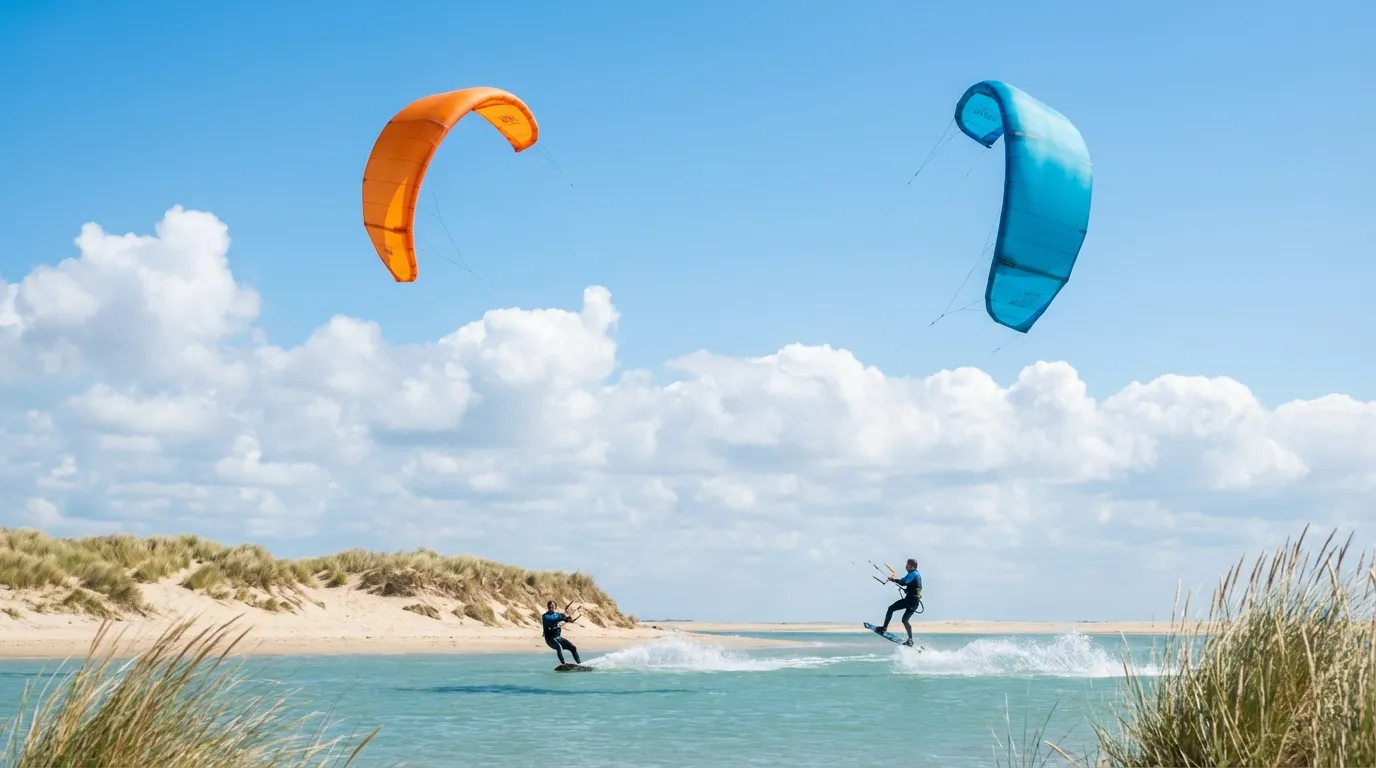
Pair a kite with a hydrofoil for extreme speed and a unique feeling of flight, well beyond 20 knots.
Read about kite foil arrow_forward
Kite foil for beginners
A step-by-step walkthrough of learning kite foil, from gear and progression to safety and budget.
Read the guide arrow_forward
Getting started foiling
Still weighing up the disciplines? Our beginner's guide sets wing, surf and kite foil side by side.
Read the guide arrow_forward