📍 Belgium, North Sea coast and Wallonia
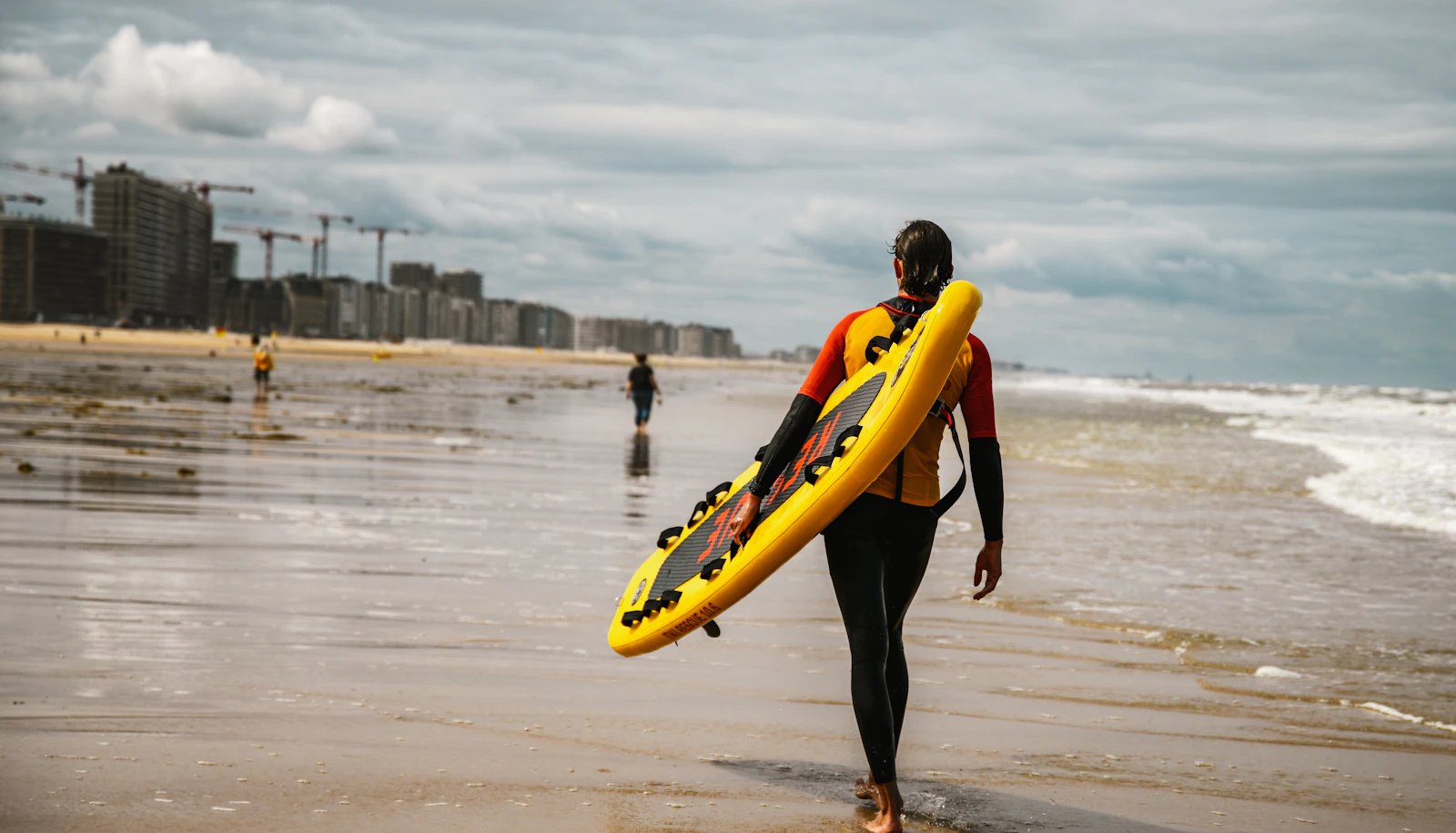
Belgium's coast is only about 67 km long, but nearly every resort on it has a beach club, and those clubs are how a visiting rider gets on the water legally. Inland, Wallonia has the country's biggest stretch of fresh water.
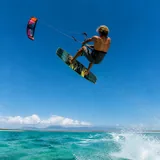
The North Sea here is a wind sea, so the coast is kitesurfing, windsurfing and wing foiling country before it's a surf destination. Surf does happen, mostly in autumn, when the windswell is most frequent.
Kitesurfing guide arrow_forward
You kite from marked launch zones, most of them in front of a club, never from the swimming zones. Proof of insurance is a ribbon on your harness called a talis, and visitors can get covered with a day membership.
How the rules work arrow_forward
There are five lakes and about 600 hectares of water south of Charleroi, including the Plate Taille, Belgium's largest lake, and a wakeboard cable park on the Lac de Féronval.
The lakes arrow_forwardBefore you load the car, bear in mind the whole coast is an hour's drive end to end.
Every resort, from the Dutch border in the east to the French border in the west, has at least one club, and most clubs run their own rescue cover in season.
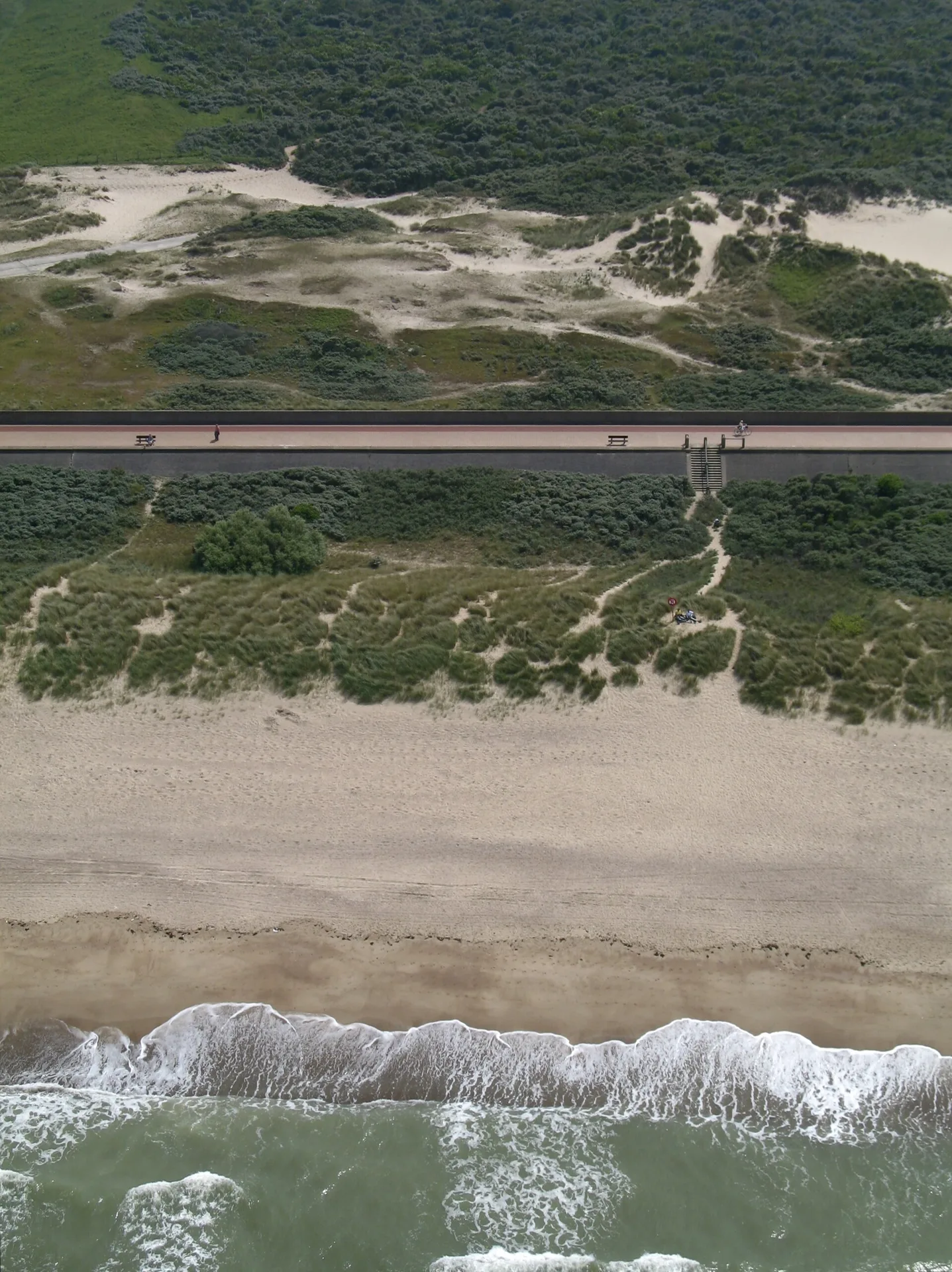
At the eastern end of the coast, among the dunes right next to the Zwin nature reserve, Surfers Paradise has been putting people on the water since 1988. It covers surfing, windsurfing, kitesurfing and SUP, with separate wing foil and e-foil centres, lessons and rental, and access to the beach is via the Appelzakstraat. If you want one place to try any of these sports for the first time, this is the most complete address on the coast. Knokke-Heist's long beach also has several other federation-registered beach clubs.
See on Google Maps open_in_new
Ostend is the coast's busiest spot and the easiest to reach without a car. Surfers head for the east bank, beside the harbour mouth and Fort Napoleon, while the kite and surf area is on the sport beach on the western side of the centre, where Surfclub Outside has its beach base on the Koningin Astridlaan. The same club runs a second base, Inside, on the Spuikom, an inland basin in the town. Just north-east, Twins Club in Bredene runs a surf school from its beach club.
See on Google Maps open_in_new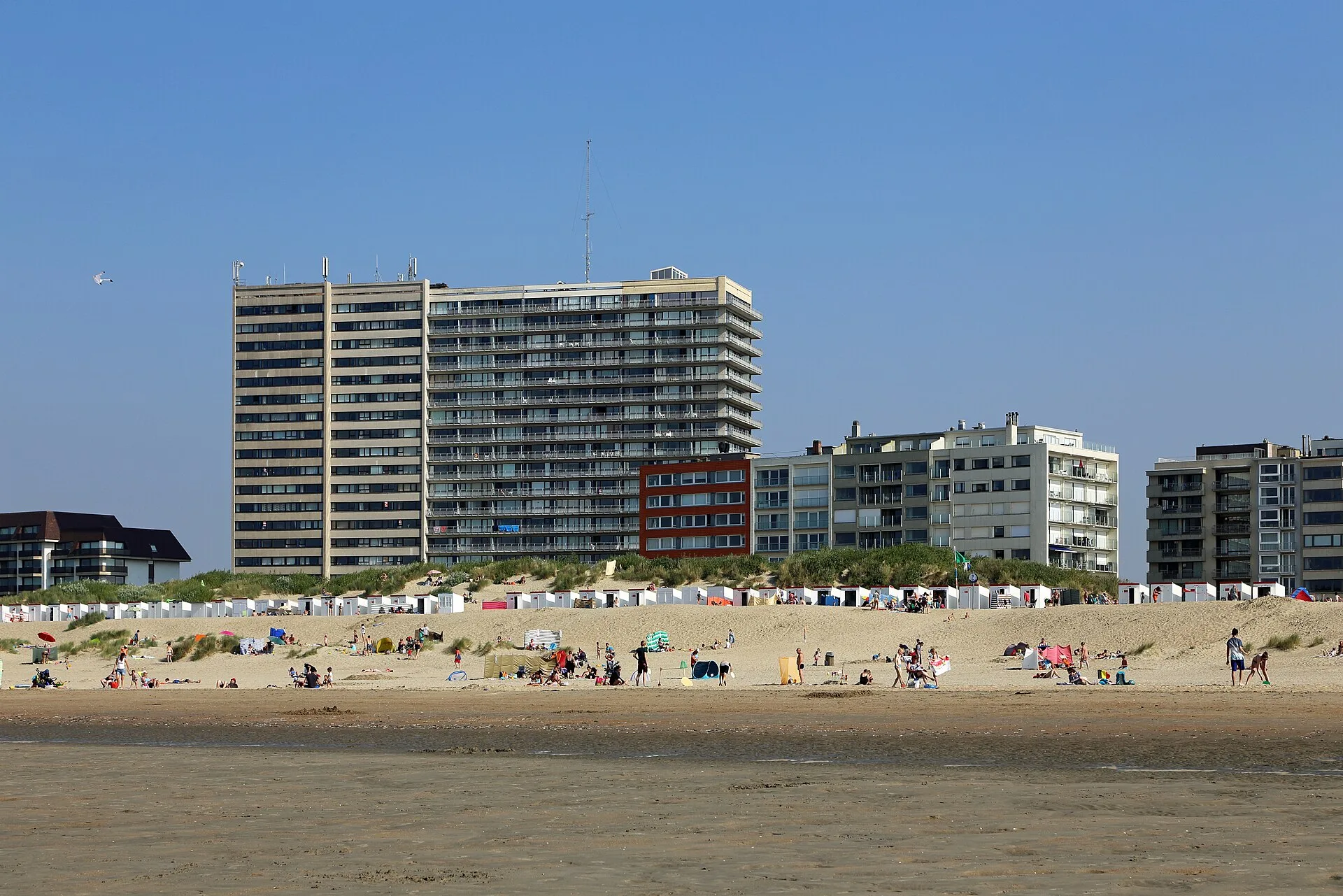
West of Nieuwpoort, home to one of Belgium's largest marinas, Surfclub Windekind sits on the beach at Oostduinkerke and has been running for more than 30 years, offering lessons and rental in windsurfing, kitesurfing, foiling, SUP and surfing. The club describes its stretch as the largest watersports zone in the country, and with no breakwaters in the way, it draws a crowd on windy days.
See on Google Maps open_in_new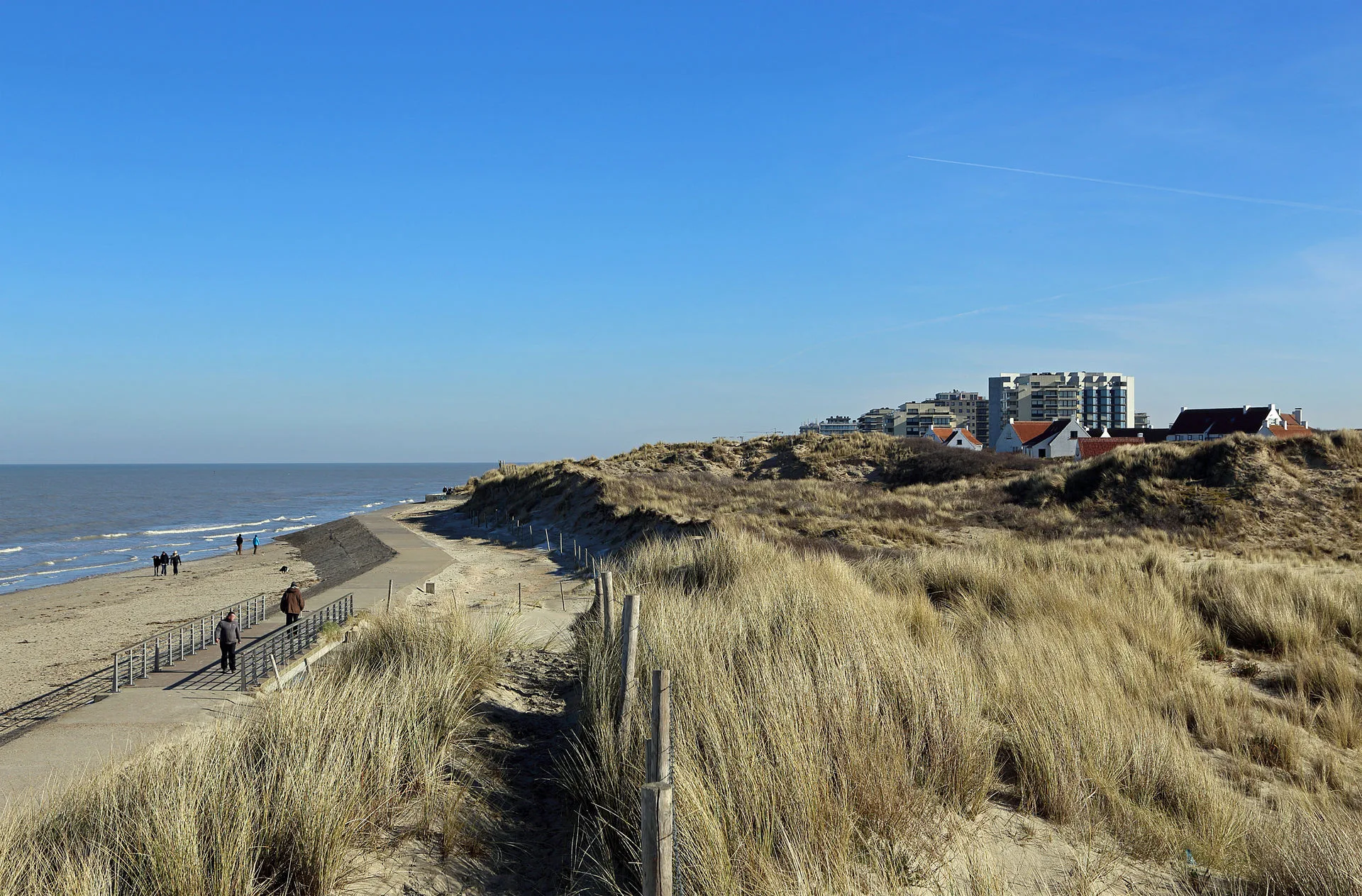
In Blankenberge, the O'Neill Beachclub sits at the foot of the dunes near the Pier and covers surfing, SUP, kitesurfing and windsurfing. De Panne, right by the French border, has one of the broadest beaches on the coast, though its beach break needs a decent swell before it's worth surfing. Middelkerke, Wenduine, De Haan and Zeebrugge fill in the gaps with smaller zones, so on most days there's a legal launch zone that suits the wind direction. The WWSV publishes a list of the kitesurfing schools it recognises (in Dutch), with each club's rescue hours.
See on Google Maps open_in_newBelgian rules – not British or French ones – apply once you're on the sand.
Where. The coast is divided into zones. According to WWSV, the Flemish federation, you may kite in the launch zones (insteekzones) and out at sea up to a maximum of 2 nautical miles, but never in the swimming zones, the buffer and safety zones next to them, or nature reserves. Most launch zones have a WWSV-affiliated beach club on them. Kitesurfing is banned between sunset and sunrise.
Kit the law asks for. The federal Royal Decree of 22 June 2016 on surf sports sets the equipment by zone, as WWSV summarises it: a wetsuit in the launch zone; beyond it, a wetsuit plus a buoyancy, rescue or impact vest and a way to send a distress signal. Any one of these will do: two red or orange flares, a mobile phone in a waterproof case, a VHF radio, a personal locator beacon (PLB) or an AIS SART. The same decree scrapped the old ban on riding above 7 Beaufort.
Insurance and the talis. The talis is a ribbon your surf club gives you with a kitesurfing membership, and it's your proof of insurance. The beach clubs welcome their own members, WWSV members from nearby clubs and non-member visitors, who can join for the day. The federation's advice is that non-members pay €125 per started hour if the club's rescue team has to recover their kit; rescuing a person is always free. Some clubs also ask to see proof of your level, so bring any certificate you hold.
Offshore wind. Easterly and south-easterly winds blow off the land here. We couldn't find this written into federal law as a ban, but clubs treat it as a no-go and keep kiters on the beach; take it as the local rule and ask at the club if you're unsure.
In an emergency, call 112. Search and rescue at sea is coordinated by the MRCC Oostende; in summer, the lifeguards on the Flemish beaches come under the IKWV (Intercommunale Kustreddingsdienst West-Vlaanderen), and many beach clubs run their own rescue cover during set hours. Our kitesurfing safety guide covers the general principles.
Five lakes on the border of Hainaut and Namur provinces are about 1h15 from Brussels.
When the North Sea is too cold, too big or just too far, Belgian riders head for the Lacs de l'Eau d'Heure. The complex has five lakes and about 600 hectares of water. The Plate Taille, the largest lake in Belgium, is the one for sailing, windsurfing, SUP and diving, while the Lac de Féronval is the lake for towed sports, with The Spin wakeboard cable park. Our full guide to the Lacs de l'Eau d'Heure is in French.
Inland paddling in Belgium comes with more rules than you might expect. Bruges is the classic trap: the city doesn't allow you to put in on your own on the canals of the historic centre (the reien), in Zeebrugge harbour or on part of the Ringvaart, although you can paddle your own board free and without a permit on the Damse Vaart and the Ghent–Ostend canal. Our guide to paddleboarding in Belgium (in French) goes through it spot by spot.
The coast is a short drive from the Channel ports, or a train ride from Brussels.
By car, DFDS sails Dover to Dunkirk, about 20-25 km from De Panne, and LeShuttle runs Folkestone to Calais. Without a car, take the Eurostar to Brussels, then a direct train to Ostend (around 1h15), where the Kusttram stops next to the station.

Check Windguru or Windfinder before you set off, and look at the direction as well as the strength – east to south-east is offshore. Sandbanks make mid to high tide the better window on most spots.
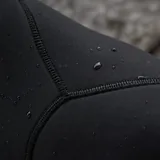
A 3/2mm to 4/3mm wetsuit from June to September; a 5/4mm or 6/5/4mm with a hood, gloves and boots in winter. Our wetsuit guide helps you pick the right thickness.
Surf in the North Sea, the kite rules and the lakes, answered before you go.
Yes, but the North Sea is a wind sea and the waves aren't consistent. The best season is autumn (September to November), when windswell is most frequent. Ostend (the east bank by Fort Napoleon, and the sport beach) and Bredene are where Belgian surfers go.
No. You launch from the designated launch zones, most of them in front of a beach club, and you never ride in the swimming zones or the buffer and safety zones next to them. Kitesurfing is banned between sunset and sunrise, and clubs keep kiters on the beach in offshore (east to south-east) wind.
The beach clubs welcome non-member visitors, and a day membership is the usual way to get covered. Members get a talis, a ribbon worn on the harness as proof of insurance. The federation advises clubs to charge non-members €125 per started hour to recover lost kit; rescuing a person is always free.
The water runs from about 5-6°C in late winter to 18-19°C in August. Go for 3/2mm or 4/3mm in summer and 5/4mm to 6/5/4mm with a hood, gloves and boots in winter. Beyond the launch zone, the law also asks for a buoyancy, rescue or impact vest and a way to call for help.
The best-known cable is The Spin, on the Lac de Féronval at the Lacs de l'Eau d'Heure, about 1h15 from Brussels. Our guide to the lakes (in French) has the details.