
📍 Puerto Rico, Caribbean
This page is part of our Caribbean guide – unlike wind-first Bonaire or Aruba, Puerto Rico is primarily a surf island.
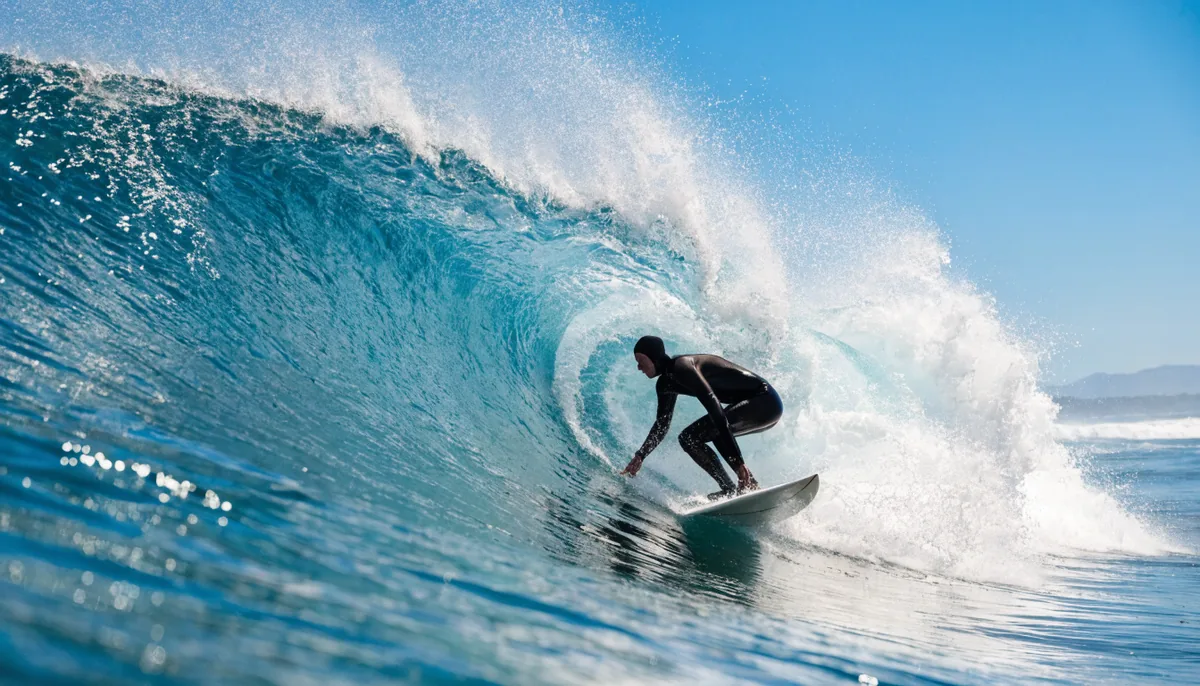
A dozen or so named breaks inside a couple of miles of west coast, from Tres Palmas, serious and expert-only, to Sandy Beach, far more approachable for beginners.
Surf guide arrow_forward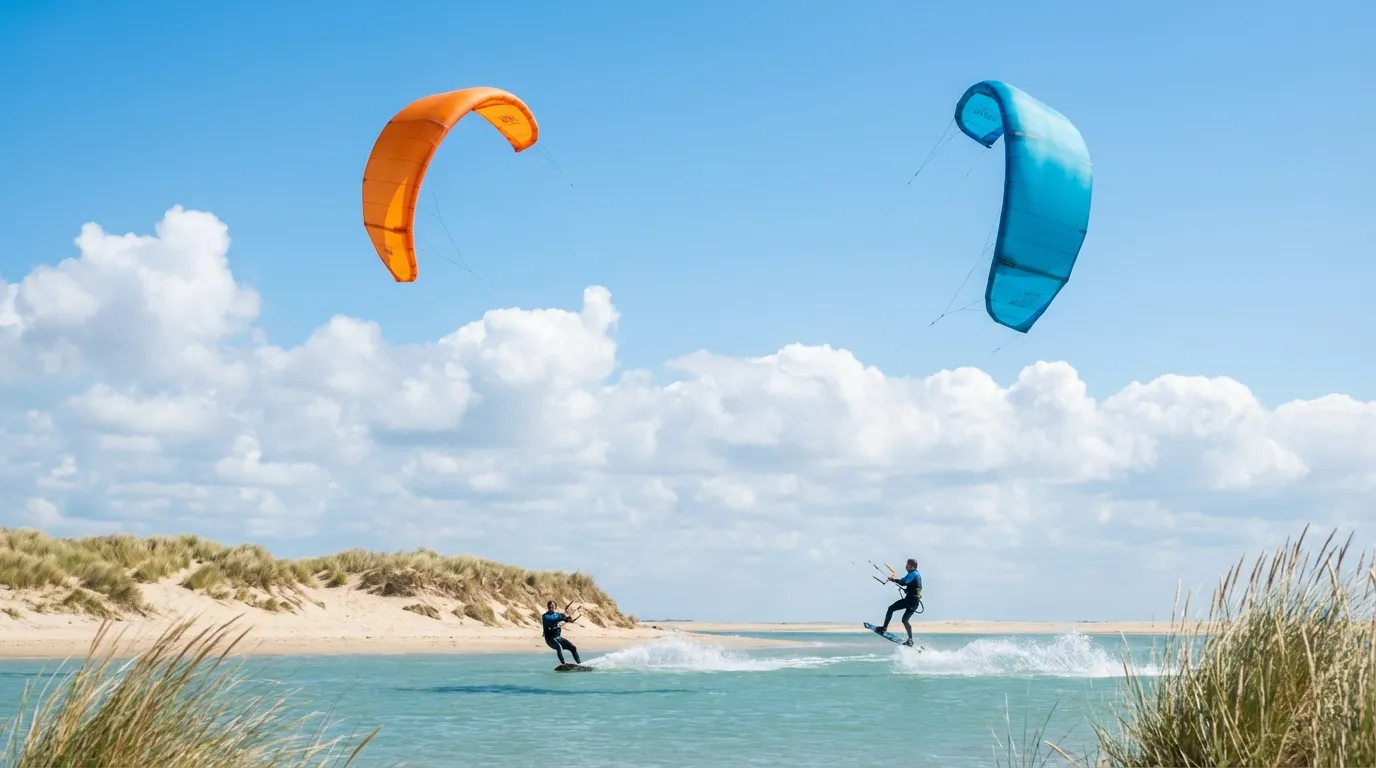
Combate and La Parguera, on the south-west coast, get a decent thermal wind, but nothing to rival the surf – no comparable school ecosystem, and a small, low-key scene.
Kitesurf guide arrow_forward
Puerto Rico is an unincorporated US territory, so US citizens need no passport, the currency is the dollar, and both English and Spanish are widely spoken.
Watersports safety arrow_forwardWhat to know before you book.
A small west-coast town that became the region's benchmark surf destination after the 1968 World Surfing Championships.
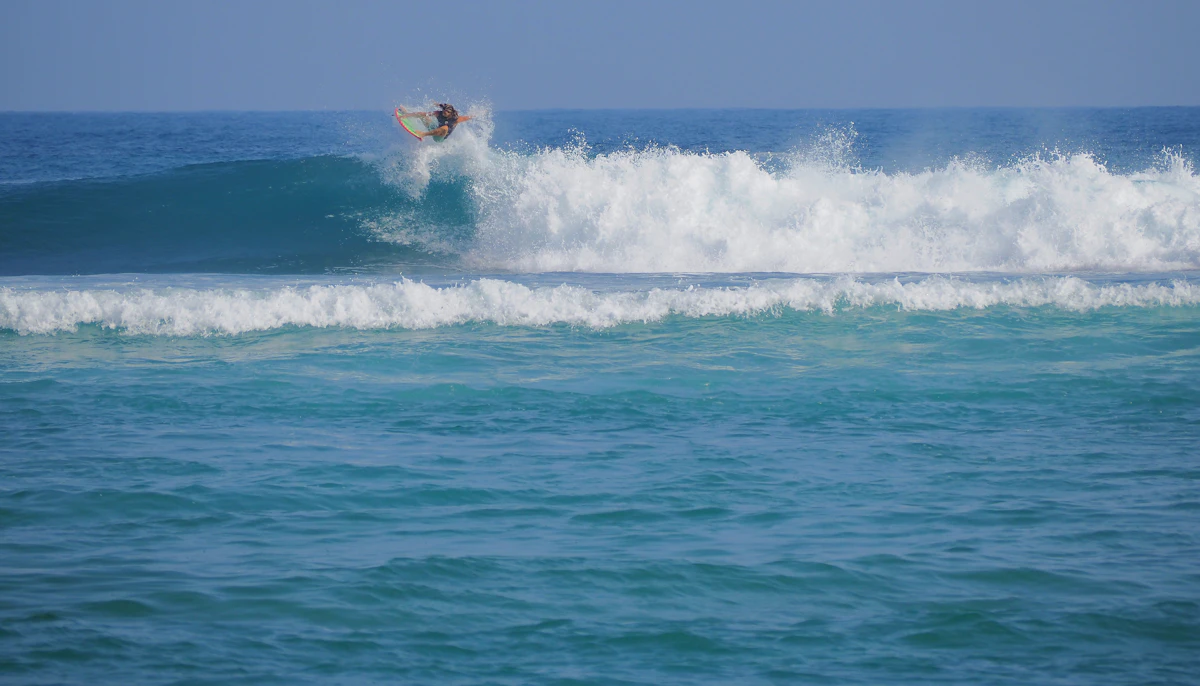
In 1968, Rincón hosted the World Surfing Championships, a first for the Caribbean. The event put the North Atlantic winter groundswell hammering Puerto Rico's west coast every year firmly on the global map, and cemented the town's reputation as a serious surf destination rather than just another Caribbean stopover. More than half a century on, Rincón remains the region's benchmark surf town: a dozen or so well-regarded breaks line up along a couple of miles of coastline, covering a range of levels that's hard to find anywhere else in the Caribbean.
View on Google Maps open_in_newTres Palmas is Rincón's most serious break, unambiguously for experienced surfers only. This big-volume reef, sitting off Steps, can top 20 feet (7 metres) during the strongest winter swells and draws well-known surfers along with camera crews for the best sessions. It sits within the Tres Palmas Marine Reserve, a protected marine reserve that also shelters good snorkelling around the neighbouring Steps reef. Domes, close by, is one of the breaks that originally put Puerto Rico on the world surfing map – a fast, powerful right that handles the biggest north-northwest swells of winter, over a coral bottom that punishes mistakes.
Maria's Beach, right below the Calypso Café, is one of Rincón's busiest breaks. The waves break relatively close to shore, which cuts down the paddle, but the crowds make it more about positioning than an easy place to learn. Sandy Beach, with a sand bottom and more consistent waves, suits beginners and bodyboarders far better – best surfed early in the morning before the crowds show up. Dogman's, over a shallow bottom, produces fast, well-formed waves better suited to intermediate to advanced surfers who can read a quick-closing wave. Steps (also called Antonio's) rounds things out – a coral reef within the same marine reserve as Tres Palmas, popular for both surfing and snorkelling on calmer days.
Unlike the wind spots at Bonaire or Aruba, Rincón's scene revolves around surf schools rather than watersports rental centres. Rincón Surf School, founded in 1999, is the town's longest-running operator and remains a go-to for both private lessons and week-long camps. Surf787 pairs guest-house accommodation with lessons for every level, from complete beginners to seasoned surfers, with direct access to the local breaks. La Casa del Surfer offers lessons with ISA-certified instructors, alongside accommodation and surf retreat packages. All three also rent boards by the day or week, a handy option for anyone who'd rather not travel with their own quiver.
Rincón itself is a small, laid-back beach town rather than a resort strip, and much of its identity is built around watching the sun drop over the horizon from one of its west-facing beaches at the end of a session – a ritual locals and visiting surfers share nightly, weather permitting. That west-facing orientation, unusual for the Caribbean, is precisely what exposes the coastline to North Atlantic groundswells that most of the region's south- and east-facing islands never see, and it's the same geography that lines up the winter surf season with the humpback whale season described below.
Wind sports do exist in Puerto Rico, but they stay firmly secondary to surfing.
Near Cabo Rojo, on the opposite side of the island from Rincón, Combate beach benefits from an east to south-east thermal wind, particularly active from November to May. It's the spot most often mentioned for kitesurfing in Puerto Rico, but it's nowhere near the scale of Rincón's surf scene – limited dedicated infrastructure, a small local crowd, and a heavier reliance on the day's conditions than the classic Caribbean trade winds demand.
View on Google Maps open_in_newFurther south, La Parguera is known for flat water and a wide, open bay sheltered by surrounding mangroves and cays. It's a pleasant setting to progress in, though reaching some areas requires a boat to navigate the channels between the mangroves. Again, don't expect the school-and-rental infrastructure of the Caribbean's major wind destinations. This is a quiet scene, kept going by a handful of local riders rather than an organised watersports industry.
View on Google Maps open_in_newIt would be dishonest to pitch Puerto Rico as an alternative to Bonaire or Aruba for kite or windsurfing. A handful of other spots exist, such as Jobos and Shacks in the north-west or Santa Isabel and Guánica in the south, but none supports a real dedicated wind-sports tourism scene. Anyone travelling to Puerto Rico to ride waves is coming first and foremost for Rincón's surf; kiting or windsurfing here is, at best, a fallback for days without swell.
Two possible airports, and the choice mostly comes down to how much drive time you're willing to accept.
This smaller airport in Aguadilla, about 30 minutes' drive from Rincón, is the more practical choice for anyone travelling specifically for the surf. JetBlue and Spirit Airlines serve BQN from several US mainland cities, with a more limited flight choice than San Juan but a much shorter drive once you land – a real bonus after a long flight, especially if the plan is to be surfing the next morning.
San Juan's much larger international airport offers far more direct connections from the US mainland and a handful of international routes. The trade-off is a drive of roughly 2 to 2.5 hours to reach Rincón, crossing the island east to west. You can shorten it, though – Cape Air runs internal flights from San Juan to Eugenio María de Hostos Airport in Mayagüez (MAZ), about twenty minutes from Rincón, or to Ponce.
Puerto Rico is an unincorporated territory of the United States, so US citizens need no passport or visa to visit, exactly as for a domestic flight. Other nationalities, however, must meet the same entry requirements as a trip to the US mainland (ESTA or visa depending on nationality). The currency is the US dollar, and both English and Spanish are official languages, though Spanish dominates day-to-day life – a real point of difference from the Dutch Caribbean islands nearby.
A clearly defined winter swell season, running the opposite direction to the calendar at nearby wind destinations.
Storms tracking across the North Atlantic in winter generate groundswells that hit Puerto Rico's west coast, typically peaking in power across December, January and February. This is when breaks like Tres Palmas or Domes show their full potential, and when experienced surfers arrive from all over the world – worth booking lessons and accommodation ahead of time during this particularly busy window.
The overlap of seasons brings an unexpected upside. From mid-January through late March, humpback whales migrate to the warm waters off Puerto Rico's west coast to mate and calve before heading back north. Punta Higüera Lighthouse in Rincón is one of the best land-based spots to watch from, and a handful of local operators, such as Taino Divers out of Black Eagle Marina, run dedicated boat tours. For anyone surfing during this window, it's not unusual to catch a blow or a fluke beyond the lineup between sets.
In summer, Puerto Rico's west coast often goes flat with no North Atlantic groundswell to speak of. It's also when the Atlantic hurricane season runs, officially June to November, peaking mid-August to mid-October. Puerto Rico sits within the Atlantic hurricane belt – Hurricane Maria, in 2017, left a lasting mark on the island and on how it now approaches storm preparedness. That's not a reason to rule out a trip during this window, but it is worth factoring in seriously: weather monitoring, travel insurance covering cancellation, and flexibility on dates.
That matters if you're planning a multi-island Caribbean trip. Puerto Rico's high season (winter, for surf) largely overlaps with Bonaire's and Aruba's (winter and spring trade winds), so you can combine both styles of trip in one window instead of choosing between two conflicting seasons.
Puerto Rico runs on the US emergency system, with a few specifics that matter on reef breaks.
As a US territory, Puerto Rico uses 911 as its single emergency number, for police, fire and medical services. The US Coast Guard covers the island's waters for marine emergencies, also monitored on VHF channel 16. Travel insurance with medical evacuation cover is still worth having, particularly for surfers heading out to the more serious reef breaks like Tres Palmas or Domes, where a bad wipeout can lead to real injuries over a shallow coral bottom.
You'll need neither wetsuit nor boots to surf, with water sitting around 27-29°C year-round, though light reef booties earn their place at reef breaks like Steps or Tres Palmas, where urchins and coral do the damage. Tres Palmas sits within a protected marine reserve – check locally on the rules before heading out, especially outside surfing hours. And to be blunt about it, Tres Palmas and Domes are no place for beginners. Either come with a confirmed level, or go through one of Rincón's surf schools for an honest read on your ability before you paddle out on a big swell.
What riders ask most before booking.
Rincón hosted the World Surfing Championships in 1968, a landmark event that introduced the world to the North Atlantic winter groundswell hitting Puerto Rico's west coast. Ever since, the town has remained the region's benchmark surf destination, with around a dozen well-known breaks packed into a couple of miles of coastline.
Tres Palmas, off Steps, is strictly for experienced surfers – a big-volume reef break that can hit over 20 feet (7 metres) in peak winter swells, with an exposed take-off well off the shore. Domes, right next to it, is nearly as serious, with fast, powerful rights over a coral bottom.
Yes, but it's a distinctly minor activity compared to surfing. The main spots are Combate, on the south-west coast near Cabo Rojo, with a reasonable easterly thermal wind, and La Parguera further south, known for flat water and shallow spots. There's no school ecosystem comparable to Rincón's surf scene.
Rafael Hernández Airport (BQN) in Aguadilla, served by JetBlue and Spirit from the US mainland, sits about 30 minutes' drive from Rincón. Luis Muñoz Marín International Airport (SJU) in San Juan has far more international connections but means a 2 to 2.5 hour drive.
The swell season runs roughly November to April, driven by North Atlantic storms, with peak power in December, January and February. Summer, June to September, is often flat on the west coast; it's also hurricane season in the Atlantic, peaking mid-August to mid-October. Discover Bonaire and Aruba, two complementary wind destinations, or explore the rest of our Caribbean guide.