

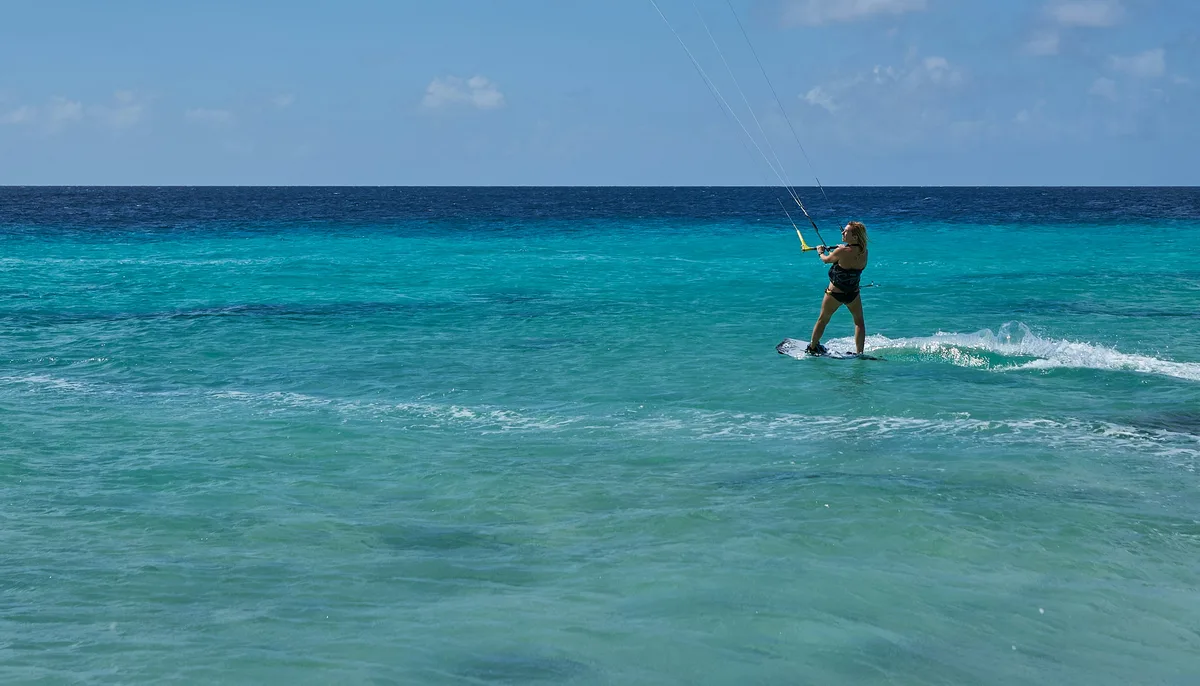
Menorca, Mallorca, Ibiza and Formentera share the same sea but not the same spot: every Balearic island has its own reference bay, its own prevailing wind, and its own balance between the sport and the protected space it shares the water with. This guide brings together the three destination pages already live on Matosurf — Fornells, Mallorca and Ibiza-Formentera — with what you need to work out which island suits you and which local rules to check before rigging up.
One archipelago, three wind patterns
Almost enclosed bays, coastline open to the Mediterranean, and a thermal breeze that calls the shots for a good part of the year: that's how conditions are split between the islands.
The Balearic wind pattern combines the tramontana — a cold north-westerly most common in autumn and winter — with the embat, a south to south-west thermal sea breeze that fills in almost daily through spring and summer, mostly in the afternoon. In Ibiza and Formentera, that's joined by the garbí (south-west) and the llevant (east), both typical of the archipelago's southern islands. The result is a very wide spread of disciplines — kitesurf, windsurf, wing foil, SUP and a bit of light sailing — but also islands where kitesurfing close to shore is restricted during the bathing season almost everywhere: the freest window for kite tends to fall in spring and autumn.
Which island for which discipline
Three pages already live, three distinct profiles: the table below sums up the essentials before we go island by island.
| Island | Standout spot | Best for |
|---|---|---|
| Menorca | Fornells | Windsurfing, wing foiling, SUP and light sailing in an almost enclosed bay |
| Mallorca | Badia de Pollença, Es Trenc/Sa Ràpita, Bahía de Palma | Kite and windsurf in a sheltered bay, selective kite spot in the south, urban wing foil/SUP |
| Ibiza | Es Cavallet, Cala Martina, Talamanca | Advanced-level kite and wing foil in the south, SUP/kayak/light sailing in the city bay |
| Formentera | Ses Illetes | SUP and kayak in summer; kite and wing foil outside the bathing season |
The three guides, island by island
A summary of each spot, with direct access to the full guide.
Fornells (Menorca) — the classic Balearic windsurf spot
A long, narrow bay that's almost closed off from the open sea, with the tramontana funnelling straight down its own axis for most of the year. The inner bay is flat and sheltered, a good place to start out in windsurfing, wing foiling, SUP or light sailing, while the water gets choppier and calls for more experience towards the bay's mouth. Part of the bay falls within the North Menorca marine reserve, so the zoning and protected uses need to be respected. Read the full Fornells guide.
Mallorca — the island with the most variety
Three areas with their own distinct character on a single island. In the north, Badia de Pollença is Mallorca's reference kite and windsurf spot, with wind that typically builds through the afternoon and schools working right out of the bay. In the south, Es Trenc and Sa Ràpita offer selective kitesurfing: inside or alongside the Es Trenc-Salobrar de Campos Nature Park, riders need to steer clear of the busy beaches and check the marked zones before heading out. Near the capital, Bahía de Palma is wing foil and SUP territory, with the embat thermal breeze filling in reliably on summer afternoons. Read the full Mallorca guide.
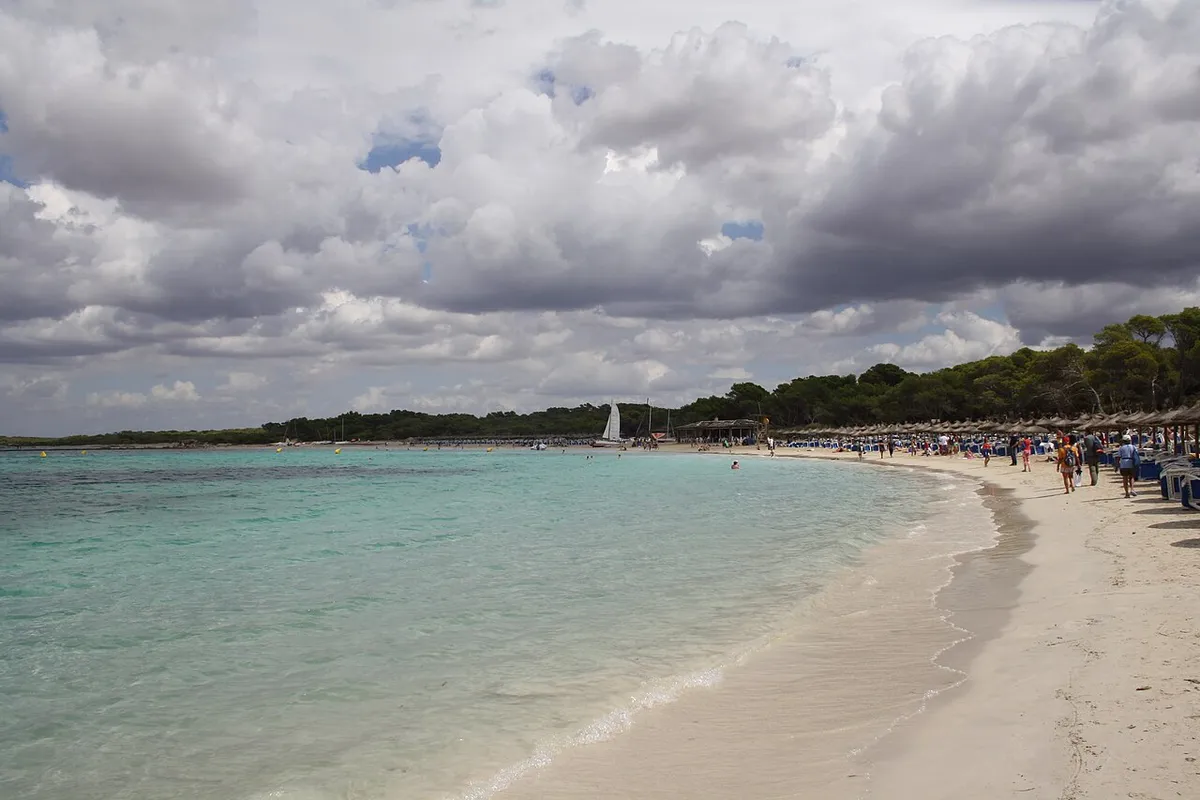

Ibiza and Formentera — advanced kite and turquoise water
Es Cavallet, on Ibiza's south coast, is the island's best-known kite and wing foil spot, inside the Ses Salines Nature Park. Cala Martina, on the Santa Eulària coastline, works on a south-west wind over relatively flat water, suited to both school lessons and independent sessions at a confirmed level, though it's worth checking locally how much space is available and what seasonal restrictions apply on this small, busy beach. Talamanca, Ibiza Town's own bay, is a far calmer option for SUP, kayaking and light sailing. Over in Formentera, Ses Illetes is the archipelago's postcard of turquoise water: great for SUP and kayaking in summer, with kitesurfing banned from May to October inside the nature park and available again the rest of the year. Read the full Ibiza and Formentera guide.
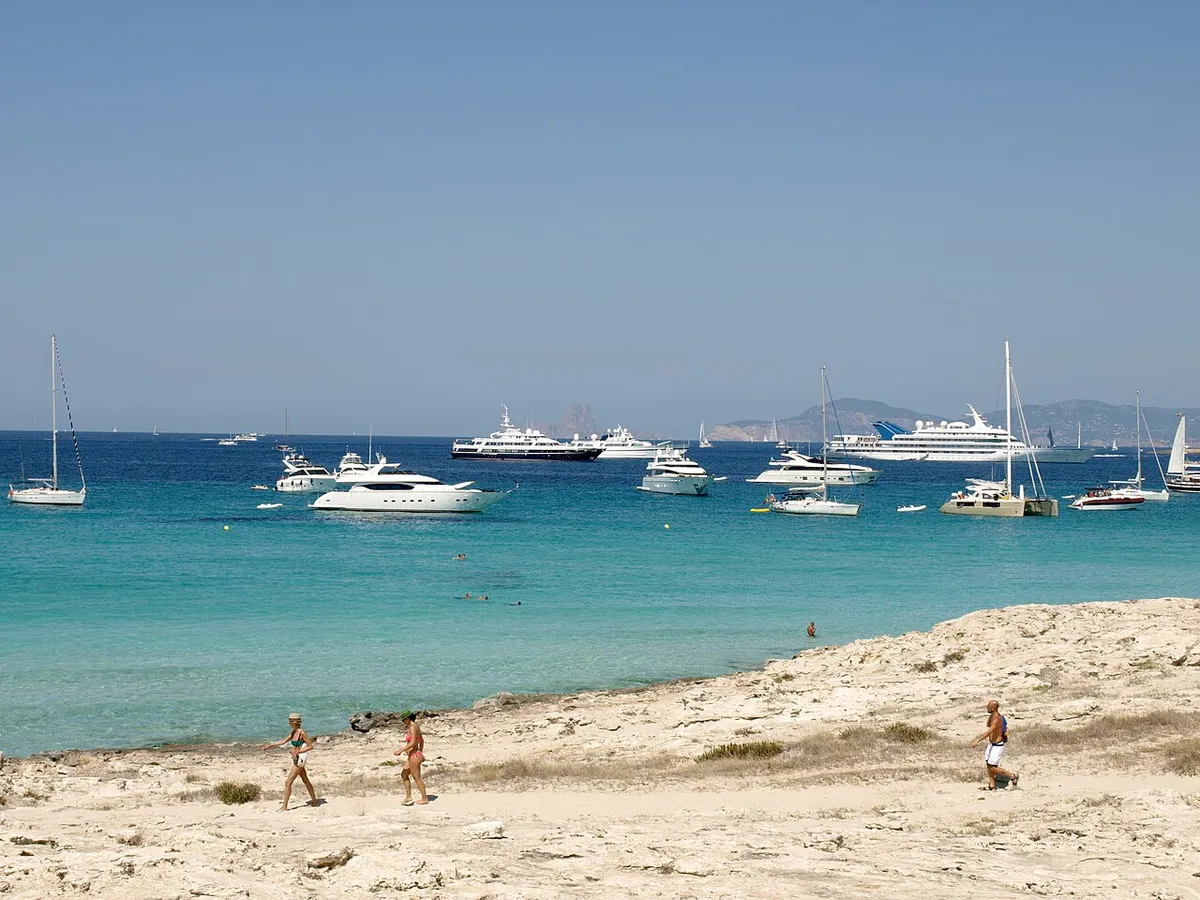

Safety and regulations: the common ground across all four islands
Rules vary from one beach to the next, but the underlying framework is the same along the whole Balearic coastline.
Spanish coastal law reserves marked bathing zones for swimmers: always enter and exit through the signposted channels, and keep clear of the area set aside for swimming. Where there's no marking, the bathing zone is presumed to extend 200 metres from shore on beaches, and 50 metres along the rest of the coastline. On top of that come restrictions specific to each island and its protected natural areas — s'Albufereta and Es Trenc-Salobrar de Campos in Mallorca, the Ses Salines Nature Park in Ibiza and Formentera, the North Menorca marine reserve at Fornells — which can be stricter than the general rule and can only be confirmed on the day, by checking the signage, the lifeguard post or the local school.
In a water emergency
Call 112. For a specific maritime rescue report, you can also contact Salvamento Marítimo on 900 202 202, or on VHF channel 16 if you're carrying a radio on board. Never go out alone, check the wind and sea state before your session, and always respect local restrictions, which take precedence over any general rule.
When to go
Summer is school season; spring and autumn tend to open up more room for advanced-level kiting.
From June to September, schools across all four islands run at full capacity and the water sits around 24-27°C, but the number of swimmers restricts kitesurfing close to shore at most spots. April-May and September-October combine fewer crowds with wind that's still reliable — the best window for anyone travelling specifically for advanced-level kite or wing foil. Winter is left almost entirely to island residents, in a 4/3mm wetsuit and with good local spot knowledge.
FAQ
Menorca (Fornells) for windsurfing, wing foiling, SUP and light sailing in an almost enclosed bay; Mallorca for the widest variety, with kite and windsurf at Badia de Pollença, selective kite at Es Trenc/Sa Ràpita and wing foil/SUP in Bahía de Palma; and Ibiza and Formentera for kite and wing foil at Es Cavallet and Cala Martina, with Talamanca and Ses Illetes as calmer bays for SUP, kayaking and light sailing.
No. Marked bathing zones are reserved for swimmers, and where there's no marking, Spanish regulations presume a bathing zone of 200 metres from the beach and 50 metres along the rest of the coastline. On top of that come local restrictions specific to each island and its nature parks, such as s'Albufereta in Mallorca or Ses Salines in Ibiza and Formentera. It's always worth checking the current marking and restrictions on the day, in person.
Summer brings the schools and the best water for beginners, but it also restricts kitesurfing near the shore more, because of the number of swimmers. Spring and autumn bring fewer crowds and, on several islands, better conditions for advanced-level kite and wing foil. Winter is left almost entirely to local riders with their own gear.
112 for any general emergency. For a specific maritime rescue report, you can also contact Salvamento Marítimo on 900 202 202, or on VHF channel 16 if you're carrying a radio on board.