

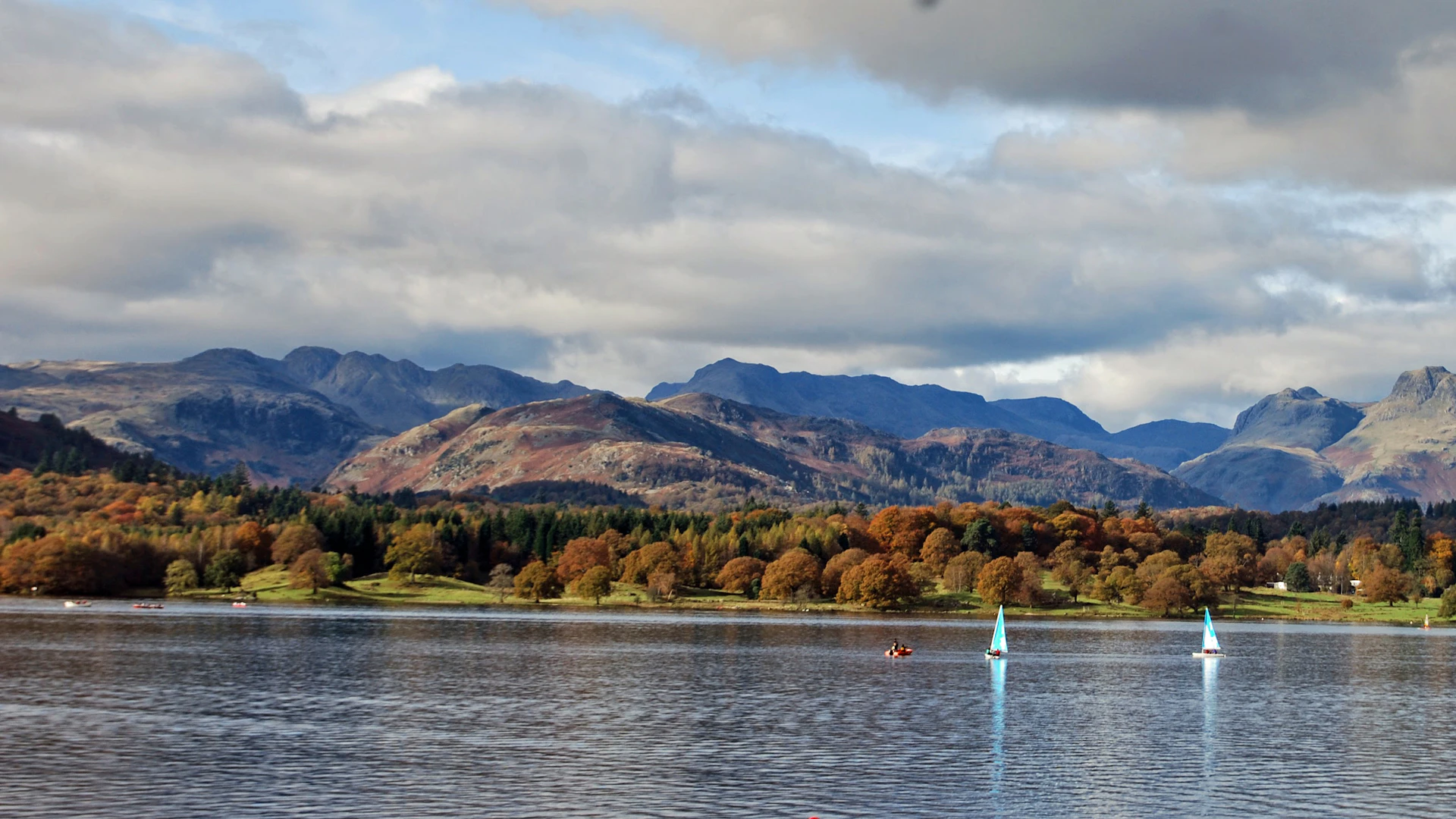
For a country of its size, the UK offers a remarkable spread of water to paddle. There are mountain lakes and sheltered harbours, slow rivers and wild sea lochs, and something to suit a first wobble-free outing as much as a long tour with a picnic strapped to the deck. Here's where to launch, by ability level, the kind of day out you want and the season.
How to choose a spot for your ability
A beginner will progress far faster on a lake or a sheltered body of water, with no wind or current to manage. A more experienced paddler can take on livelier stretches – open coast, tidal estuaries or narrow channels – where conditions change more quickly. Flat, enclosed water is always the right place to start, and it's worth reading up on how the sea and lakes differ before you venture onto salt water. Our getting started with SUP guide walks through the basics.
The best lakes
Windermere and the Lake District
England's largest lake, Windermere is the crown jewel of UK paddleboarding – ten and a half miles of open water framed by fells, with easy launch points, boat hire and calm, glassy conditions on a still morning. It's a superb place to learn in flat water, and just as rewarding for a long, scenic tour along the wooded shoreline. Our Windermere paddleboarding guide covers the best launch spots, the busy zones to avoid and how to read the wind on the lake.
The wider Lake District is stacked with alternatives. Derwentwater, ringed by mountains near Keswick, is one of the prettiest and most sheltered. Ullswater offers a long, dramatic ribbon of water for touring, and Coniston Water is quieter and calmer still – ideal when Windermere is busy in high summer.
The Scottish lochs
For sheer drama, little beats a Scottish loch. Freshwater lochs such as Loch Lomond and Loch Morlich near Aviemore offer flat, sheltered water in wild, mountainous surroundings. The scenery is unbeatable, but the water is cold year-round, so a wetsuit and proper planning matter even in summer.
The best rivers and inland waterways
The River Thames
The Thames is one of the most accessible paddleboarding rivers in the country, with gentle, non-tidal stretches above Teddington that are perfect for a relaxed cruise past meadows, locks and riverside pubs. Watch for boat traffic, keep to the sensible side of the channel and note that you need a licence for the non-tidal Thames, easily arranged through the Environment Agency.
The Norfolk Broads
A network of lock-free, largely wind-sheltered waterways, the Broads are made for calm, meandering paddles through classic English wetland scenery. The water is flat and forgiving, which makes it a lovely spot for beginners and families, though you'll share the channels with cruisers and wildlife alike.
The best coast and estuaries
The Camel Estuary, Cornwall
Between Padstow and Rock, the Camel Estuary offers sheltered, sandy water that's one of the finest introductions to paddleboarding on salt water. Time it around slack water to avoid the strongest tidal flow, and you're rewarded with golden sandbanks and an easy paddle in beautiful surroundings.
Studland Bay, Dorset
Backed by heathland on the Jurassic Coast, Studland is a gently shelving, protected bay that's a great choice for a first paddle in the sea on a calm day. Keep an eye on the wind, which can turn a mellow bay choppy quickly, and stay clear of the busier swimming areas in summer.
The best spots for beginners
For a first outing, choose a lake or an enclosed body of water: Windermere or another Lake District lake, a calm stretch of the Norfolk Broads, or the sheltered Camel Estuary at slack water. These give you flat water, a nearby shore and no tide or current to anticipate – exactly what you want while you find your balance.
The best spots for long tours
Once you're comfortable, the UK opens up for proper expeditions. The full length of Ullswater or Windermere, a multi-hour ramble through the Norfolk Broads, or a loch crossing in the Highlands all make for memorable days on the water for a confident paddler who can read the conditions.
Wherever you paddle, wear a buoyancy aid and use the right leash for the water – a waist-worn quick-release leash on any moving water, never an ankle leash on a river. On the coast, check the wind and tide, avoid offshore winds, and if you get into trouble at sea, dial 999 and ask for the Coastguard. Read our SUP safety guide before you go.
For more on kit, technique and staying safe, browse our full range of paddleboarding guides, or explore other UK destinations to plan your next day out.