

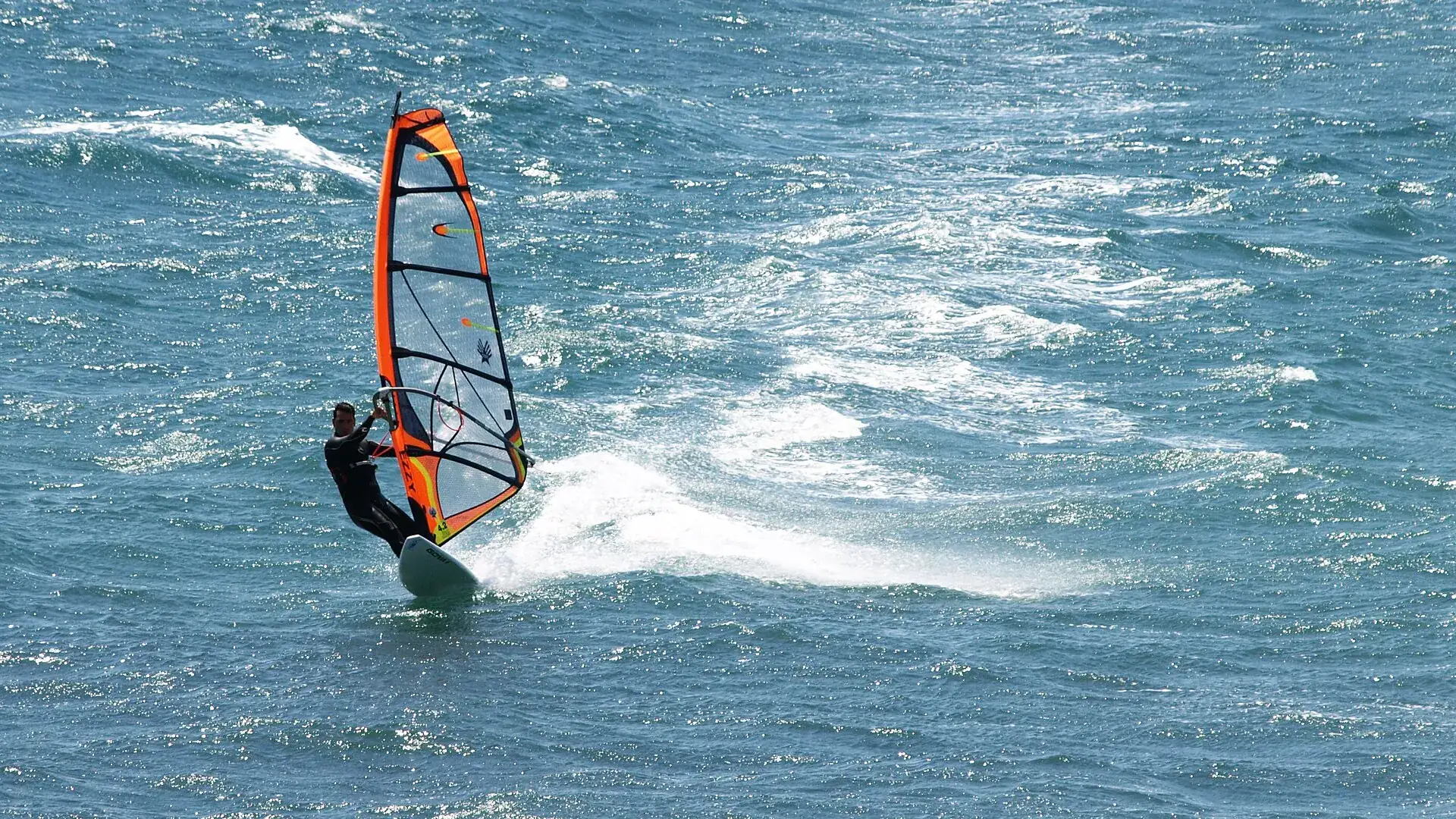
📍 Santa Lucía de Tirajana, Gran Canaria
Photo: Bloomy / Wikimedia Commons, CC BY-SA 4.0
The wind capital of the world: a demanding, advanced-level spot, and a historic PWA venue.
The trade winds blow steadily from the north-east, in a side-onshore direction, with intensities frequently ranging between 25 and 40 knots. From 20-22 knots you can already sail.
See destinations arrow_forward
Pozo Izquierdo is the historic home of the PWA World Cup, the Gran Canaria Wind & Waves Festival, one of the most iconic events in world wave windsurfing.
See destinations arrow_forward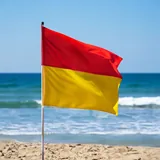
Strong wind, right-hand waves of 3 to 10ft (1 to 3 metres) and a rocky bottom make Pozo a demanding spot. Wear boots, respect the flags and sail within your limits.
Safety arrow_forwardThe wind, the swell, the water and the gear one of the world's toughest spots demands.
The trade winds blow steadily, predominantly from the north-east and in a side-onshore direction, with intensity frequently ranging between 25 and 40 knots. From 20 to 22 knots you can already sail, and wind strength picks up noticeably in summer. The swell brings long-period waves that break right, running 3 to 10ft (1 to 3 metres).
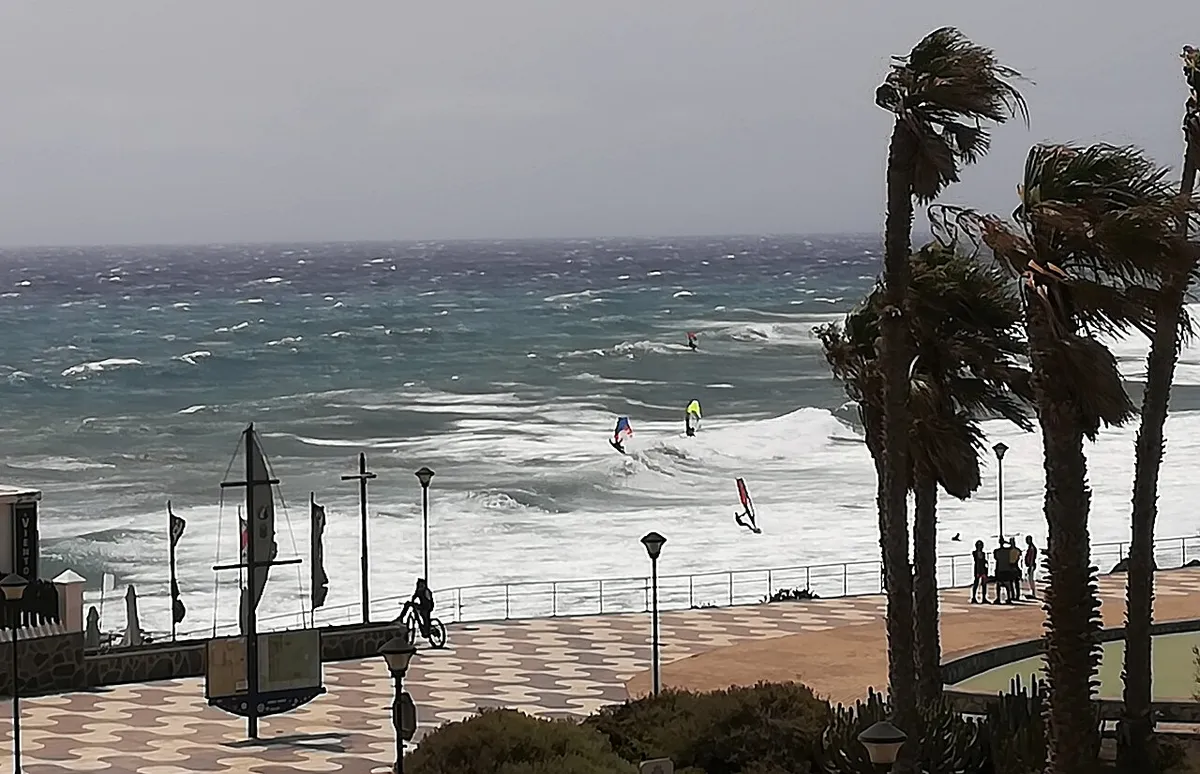
Water temperature sits around 22°C, ranging from 19.5°C to 24.1°C across the year. A 3/2mm wetsuit is the Gran Canaria standard; on cooler days, or when the wind chill bites, a 4/3mm does a better job. Wear boots – parts of the bottom are rock. None of this is beginner territory, least of all when the wind and swell are both up.
Pozo's bay stretches along El Arenal, with well-known landmarks.
This is the main beach and best-known zone, where the schools cluster and the PWA World Cup heats take place. It's the heart of Pozo Izquierdo and the reference point for almost any session, with the atmosphere and energy of competitive windsurfing.
View on Google Maps open_in_newThe shore and the area around the bunker are common reference points for orienting yourself in the water, as seen on the local webcams. They help you get your bearings in the bay and read the conditions before heading out to sail.
View on Google Maps open_in_newCentres specialising in windsurfing and wing foiling, with lessons and equipment hire.
Offers windsurfing and wing foiling lessons and equipment hire, with the latest gear. It also has its own webcam and weather station, very handy for checking conditions before heading down to the water, plus accommodation options in the area.
Another school offering windsurfing and wing foiling courses, with hire options and a proshop. Instructors certified by the sailing federations are always worth asking about before you book.
Official bodies, flags and federations at a spot that doesn't forgive mistakes.
Dial 112, Spain's emergency number, or raise Salvamento Marítimo – the national search and rescue service – on VHF channel 16. The Spanish Red Cross covers beach safety here with lifeguards and rescue teams.
Spanish beaches fly a green flag for bathing permitted, yellow for caution, red for bathing prohibited and purple for jellyfish or pollution. Pozo being what it is, read the flag and the water before you rig.
The Real Federación Española de Vela (RFEV) regulates sailing sports, including windsurfing and wing foiling, and provides information on safety regulations. The Real Federación Canaria de Vela manages and promotes these sports across the islands, including instructor certification and event organisation.
A simple, desert-like spot entirely given over to wind sports.
Pozo Izquierdo is a small, desert-like spot in south-east Gran Canaria, within Santa Lucía de Tirajana, devoted to wind sports. The schools offer accommodation and surfcamps, and much of local life revolves around the water. Don't come expecting a tourist hub – the wind calls the shots here.
A few minutes away is Vecindario, with more shops, services and accommodation, and the rest of southern Gran Canaria within reach for the calmer days. The island offers beaches, mountains and villages well worth exploring whenever the wind takes a break.
A few miles from Gran Canaria Airport, and straight down the motorway.
The nearest airport is Gran Canaria Airport (LPA), around 10 to 12 miles (15 to 20 km) from Pozo Izquierdo, with connections from mainland Spain and across Europe. Short enough to make travelling with your own gear painless.
From the airport it's an easy drive via the GC-1 motorway, taking the Vecindario-Pozo Izquierdo exit. Hiring a car is the most recommended option for transporting your gear comfortably and getting around the island.
Public transport options run as far as Vecindario, from where you can reach Pozo Izquierdo by taxi or local bus. That said, for sailing with your own gear, having a car remains the most practical option.
Consistent conditions all year round, and a summer that blows hard.
Although you can sail all year round, the summer months, from May to September, offer the strongest and most consistent wind conditions, with trade winds frequently ranging between 25 and 40 knots. This is when Pozo shows its most demanding side, and when the PWA World Cup takes place. Get ready to reach for small sails, 3.4 to 4.2 m² in windsurfing.
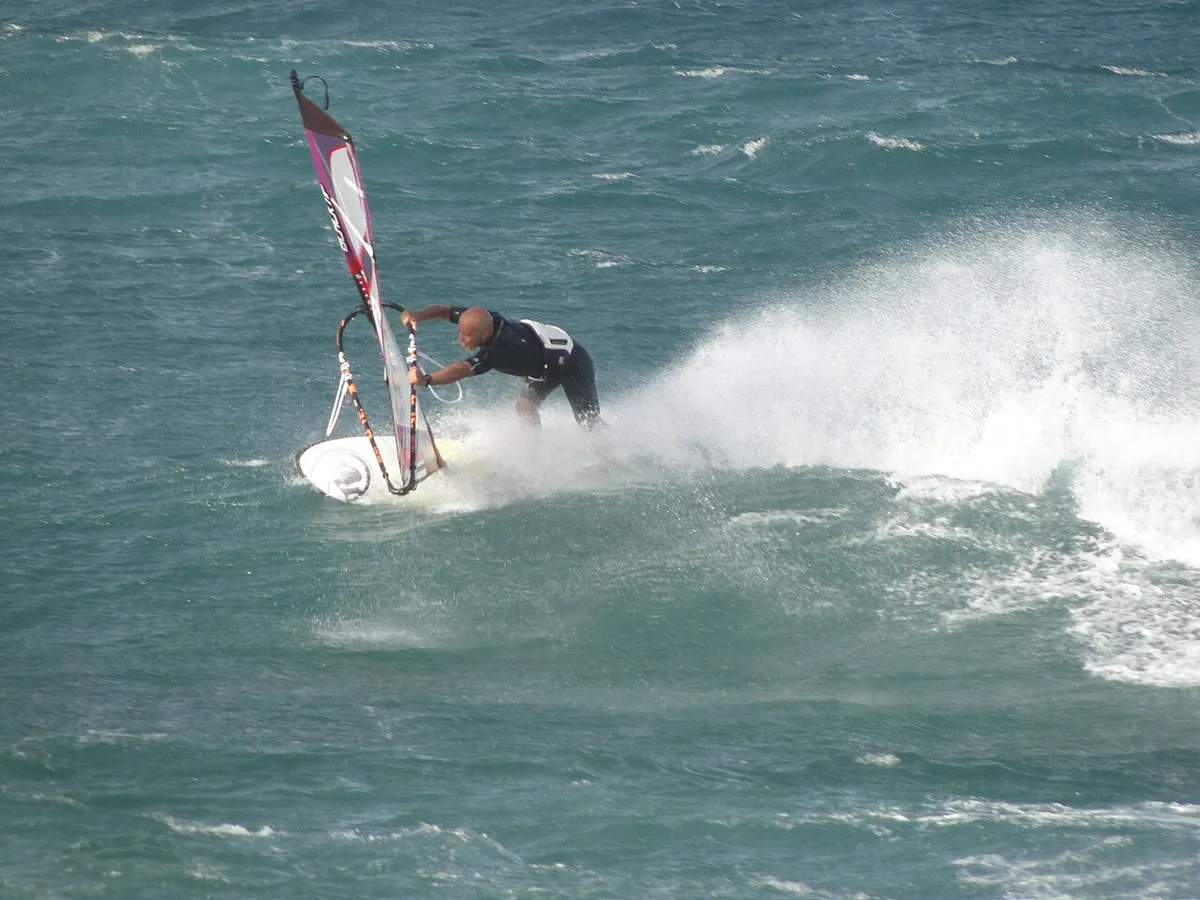
Outside summer, wind and swell conditions remain very consistent, allowing you to sail at almost any time of year. Water temperature stays mild, around 22°C, so a 3/2mm wetsuit (or a 4/3mm on cooler days) will keep you comfortable. It remains a spot for experienced riders, all the same.
The most common questions before a windsurfing or wing foiling trip to Pozo Izquierdo.
No. Pozo Izquierdo is an advanced-level spot due to its strong winds and swell. Prior windsurfing or wing foiling experience is recommended before sailing here.
You can sail all year round, but the summer months, from May to September, offer the strongest and most consistent wind conditions, with trade winds frequently ranging between 25 and 40 knots.
In strong winds, small sails of 3.4 to 4.2 m² are typically used for windsurfing. For wing foiling, the wing and board depend on your level and the day's conditions. A 3/2mm wetsuit and boots are recommended due to the rocky bottom.
Yes, it's strongly recommended to wear boots to protect your feet from the rocky beach bottom, especially at high tide. Discover more spots in our destination directory.

