

Britain is a better place to kitesurf than most people outside the sport realise. Sitting in the path of the Atlantic weather systems, it gets wind in spades, and its coastline is dotted with shallow harbours, tidal sand flats and open beaches that suit everyone from first-timers to seasoned wave riders. There's flat, forgiving water for learning and punchy coastal breezes for freeriding. Here are the UK spots worth knowing, along with the conditions that make each one tick.
Hayling Island is the spiritual home of British kitesurfing – it's where the sport was pioneered in the UK – and it remains one of the most popular spots in the country. The seafront offers open-water riding in a south-westerly, while the sheltered harbour side gives flatter, more protected water that's kinder for learning and freestyle. Add a cross-shore to cross-onshore prevailing wind and a well-organised riding community, and it stays busy whenever the breeze is on.
There are recognised schools and a strong local scene, plus the usual seaside infrastructure of parking, cafés and shops. Read our full Hayling Island guide for the launch areas, tides and etiquette.
Read our Hayling Island guide arrow_forward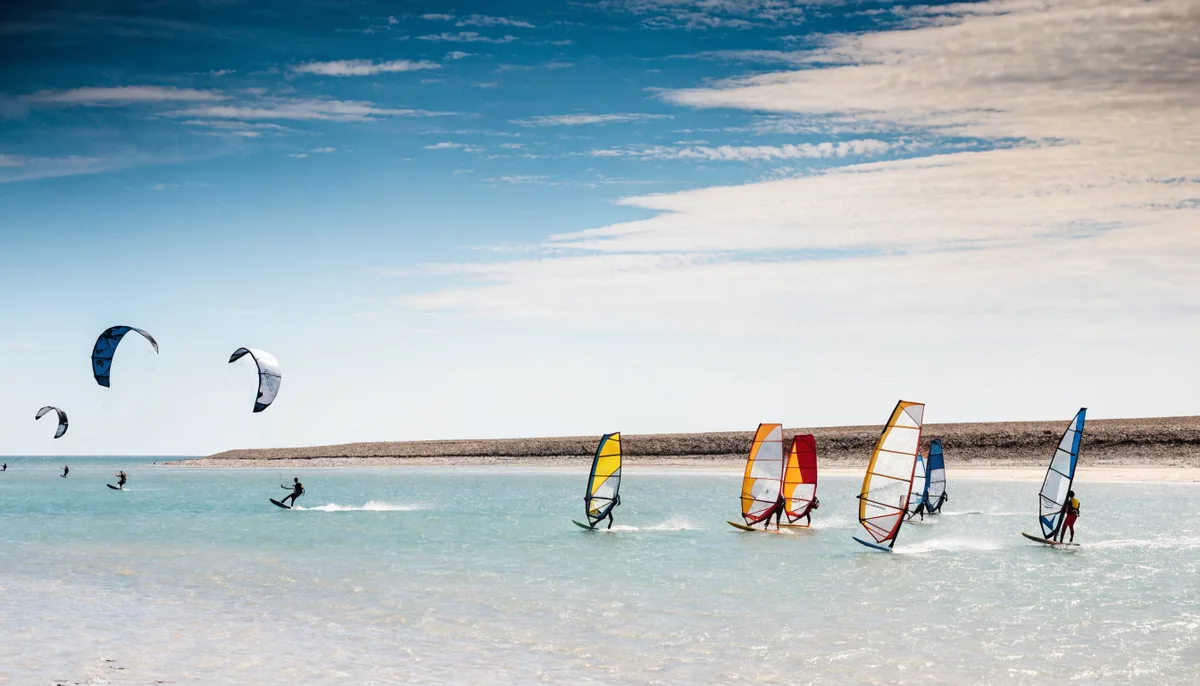
West Wittering is one of the best learner-friendly kite spots in the south of England. At low tide the beach opens onto huge, shallow sand flats that give waist-deep, near-flat water – exactly what you want when you're learning to control a kite and get up on the board. The prevailing south-westerly blows cross-shore to cross-onshore, so the wind tends to bring you back to the beach rather than out to sea.
It's a hugely popular family beach, so kite launching is zoned and busy in summer – early mornings and the shoulder seasons are far more relaxed. The tidal windows, the kite zones and the access details are all in our West Wittering guide.
Read our West Wittering guide arrow_forwardMore UK kite spots worth knowing
Our two featured spots sit on the south coast, but good kitesurfing is spread right around the country. A handful more to add to your list as you travel:
A vast, dune-backed beach that empties out to acres of flat, shallow sand at low tide, Camber is a firm favourite for learning and freeriding alike. There's plenty of room to rig and launch safely, though the swimming zones fill up in summer so early sessions are best. It works on a broad range of directions, which helps it stay rideable across the seasons.
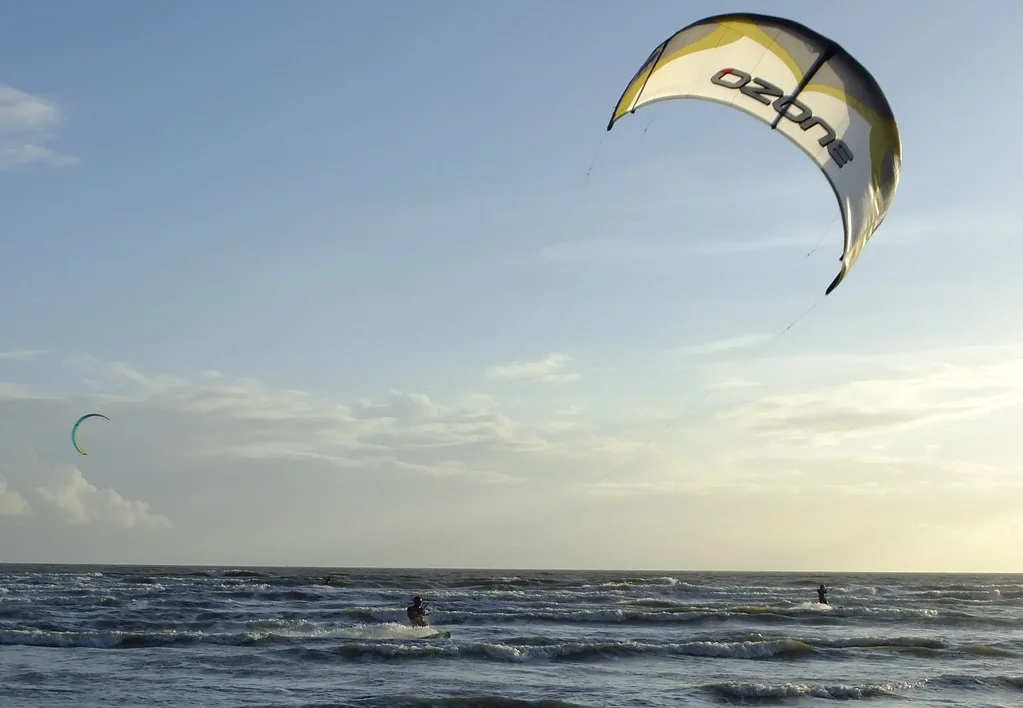
Anglesey's kite capital, Rhosneigr offers a run of beaches with something for everyone: flatter, more sheltered water in the bays for learning and freestyle, and open surf for the wave riders when a swell is running. It picks up a good spread of wind directions, which is why so many travelling kiters make the trip to north Wales.
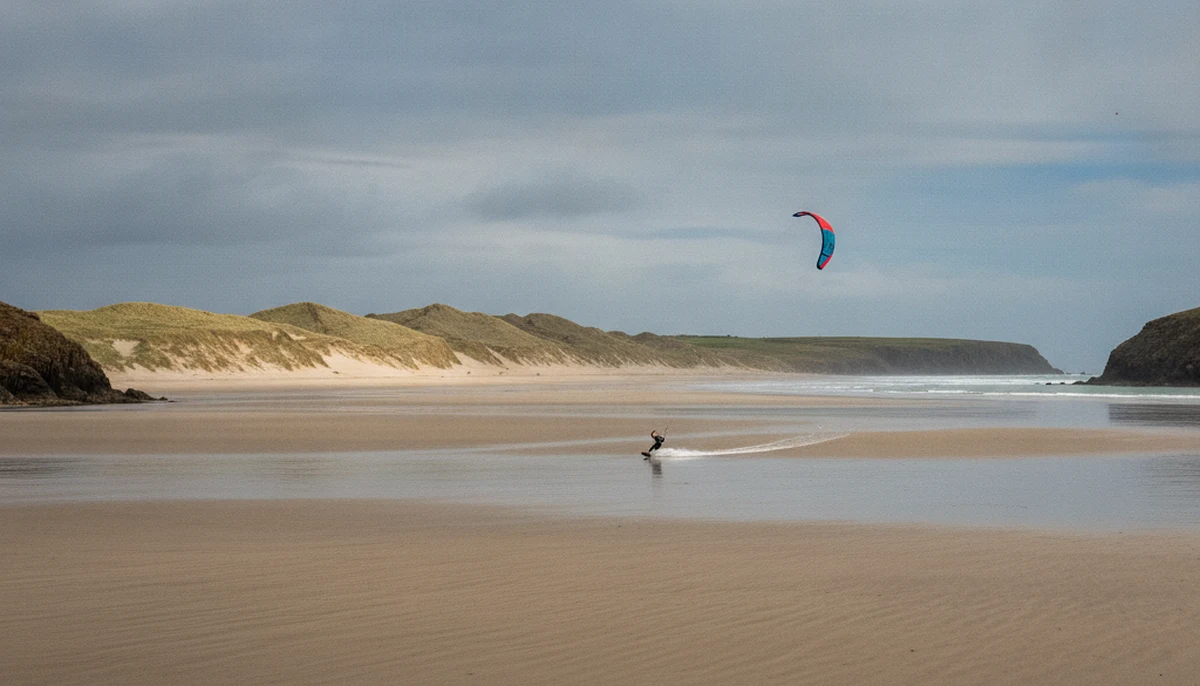
Sheltered behind its breakwaters, Portland Harbour offers some of the flattest, most protected water on the south coast – ideal for building confidence and working on freestyle without having to deal with chop or shorebreak. It's a well-used watersports hub, so keep clear of the sailing and windsurf traffic and respect the zoning.
On the Firth of Clyde, Troon is one of Scotland's most reliable kite beaches, with a long sandy strand that catches the prevailing south-westerlies and enough space to ride safely. The water is cold and a good winter suit is essential much of the year, but the wind statistics are excellent and the west-coast scene is friendly.
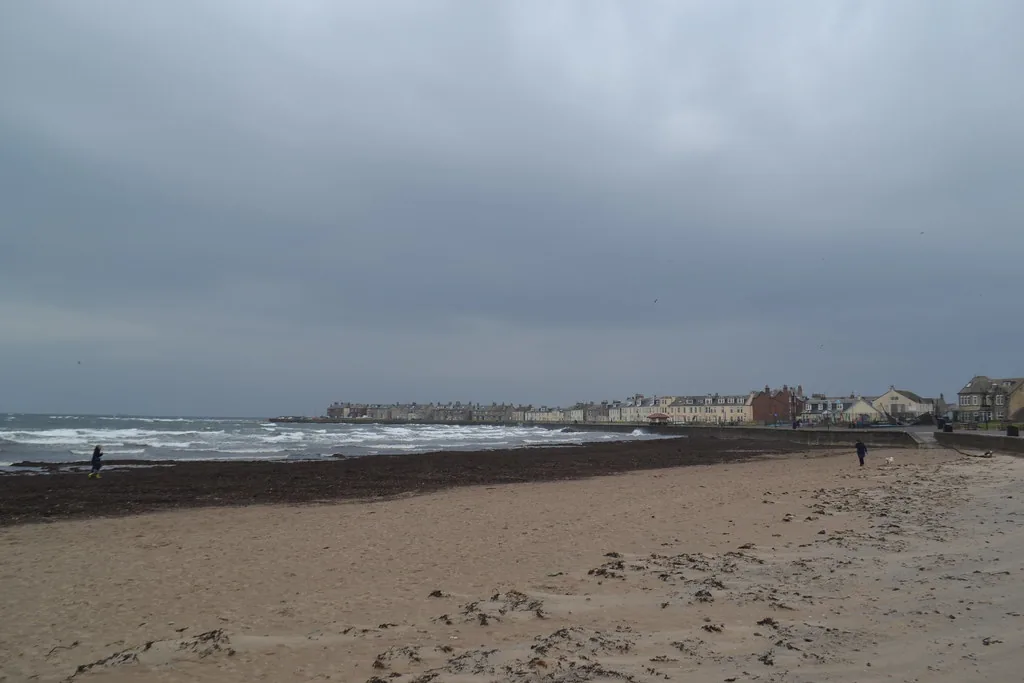
Facing west across The Wash – unusual for the east coast – Hunstanton picks up the prevailing south-westerlies onshore and offers a big, flat, sandy beach at low tide. It's a long-standing kite venue with an active local community and a good option when the rest of the east coast is offshore and unrideable.
Chasing more reliable wind? Winter charters to spots like Tarifa in Spain or the flatwater lagoons of the Canary Islands are popular with UK kiters when the days get short and cold. Browse our UK destination guides for more spots closer to home.
How to prepare for a kitesurf session
Wherever you ride, good preparation is what keeps kitesurfing safe. It's a sport that rewards careful weather-watching: wind strength, direction, gusts, tide and the chance of squalls. Run through these essentials before every session:
- Wind forecast: check a dedicated service and look not just at the strength but the consistency – gusty, squally wind is dangerous. Most riders want at least 12-15 knots (14-17 mph) of steady breeze.
- Wind direction: cross-shore or cross-onshore is ideal. Avoid offshore wind, which can blow you out to sea, and pure onshore, which pins you against the beach.
- Know the zone: check the kite launch areas, swimming zones and any local restrictions before you rig. Never launch across a busy beach.
- Safety buddy: tell someone your plan and, ideally, ride within sight of at least one other person.
- Safety systems: know your kite's quick-release and self-rescue, and carry a hook knife on your harness to cut lines in a tangle.
New to the sport? A course with a British Kitesports recognised school is the single best investment you can make – it teaches kite control, self-rescue and beach safety properly. For more on gear and technique, read our kitesurfing guides.