
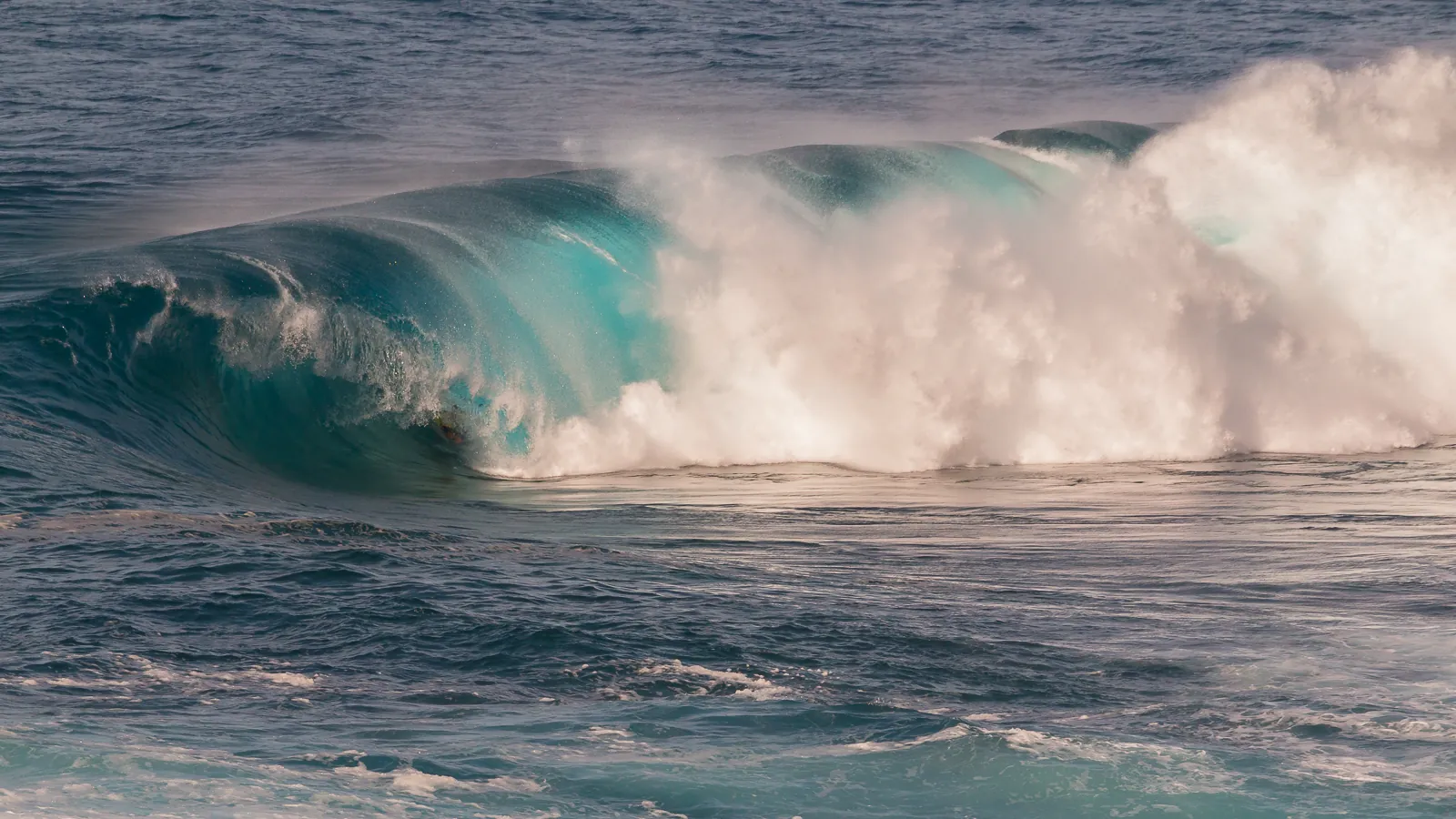
Photo: El Coleccionista de Instantes / Flickr, CC BY-SA 2.0
A radical barrel over volcanic rock on the north coast of Gran Canaria. Spectacular to watch, extreme to ride.
El Frontón breaks right and left over a near-circular volcanic rock platform that sits just over a metre below the surface. It was one of the first waves ever labelled a slab for its verticality, and is often compared to Teahupoo.
Bodyboard guide arrow_forward
This isn't a beginner's beach: it's one of the most demanding and dangerous bodyboard waves in the world. It takes an expert level, plenty of experience on reef breaks and a deep respect for the spot before even thinking about paddling out.
Safety arrow_forward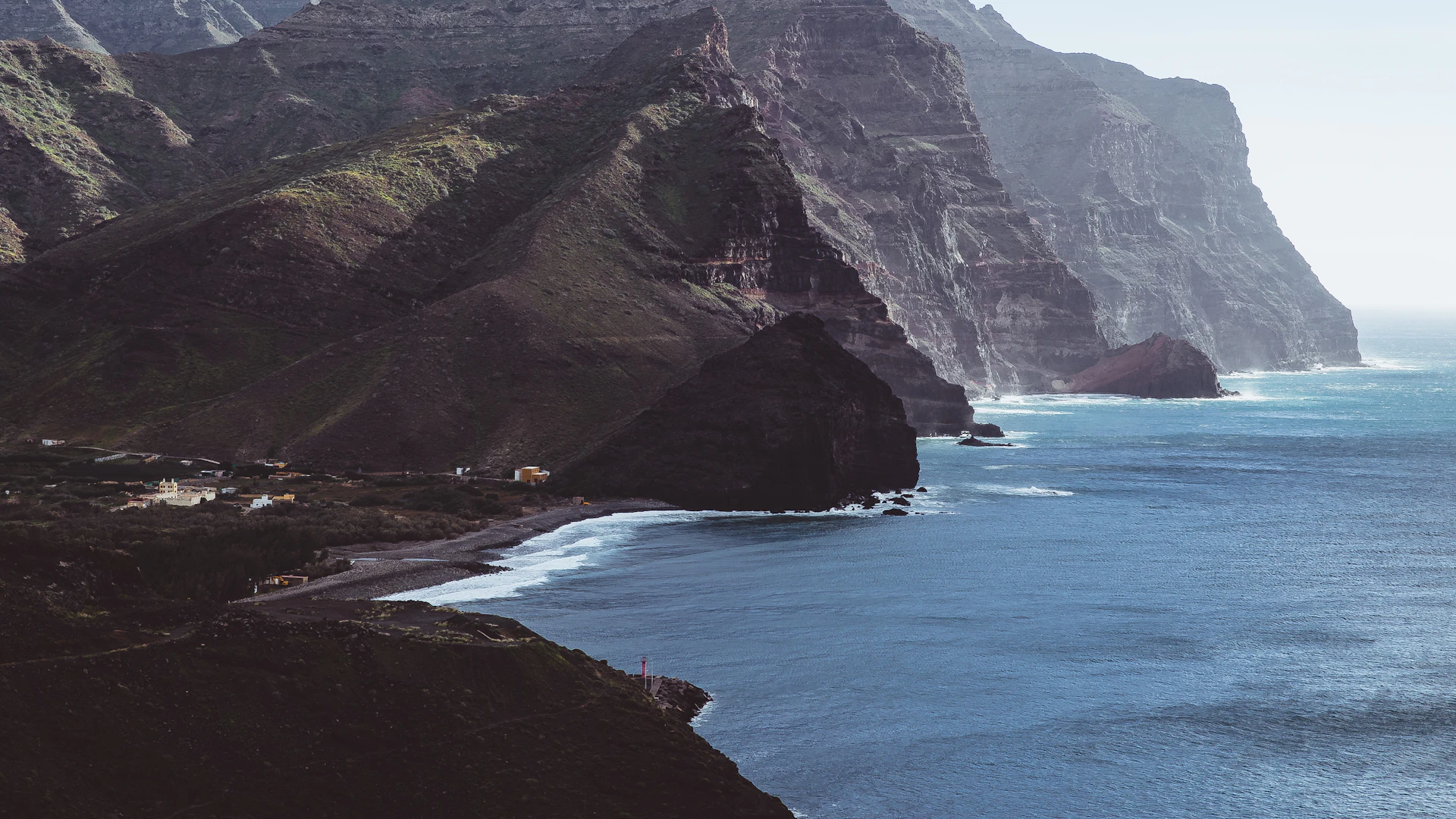
Reaching the wave means climbing down a cliff and crossing a maze of banana plantations on uneven ground. The approach itself, before you even get wet, is a real and well-documented hazard of this spot.
See the access arrow_forwardThe essentials on El Frontón before you read on.
El Frontón sits beside Caleta de Arriba, in the municipality of Gáldar, on the north coast of Gran Canaria. It's a reef break over a volcanic rock bottom, breaking right and left into fast, hollow barrels. It works best with a northwest groundswell and an offshore wind from the south; on big days, waves can exceed 10ft.
This is not a wave for learning or for curious first-timers. It demands total command of bodyboarding on reef breaks, real fitness and complete respect for the day's conditions.
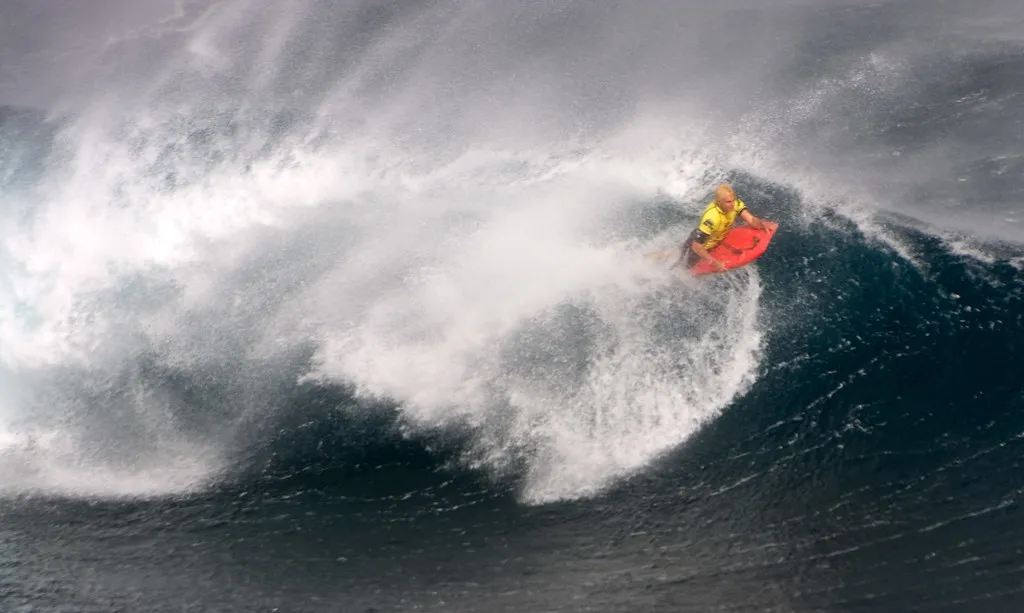
The wave works fairly well year-round, but the biggest and most consistent season runs from October to May, peaking between October and March, which is also when the Gran Canaria Frontón King is held. Water temperature ranges from around 18°C in winter to 23°C in autumn, so a 3/2mm or 4/3mm wetsuit covers most of the season.
A volcanic rock platform that manufactures one of Europe's most radical barrels.
El Frontón breaks over a near-circular volcanic rock platform that sits just over a metre under the water at high tide, and can be exposed at low tide. When a northwest groundswell hits that platform, it produces fast barrels that close out violently, both right and left, with a distinctive explosion in the middle of the peak.
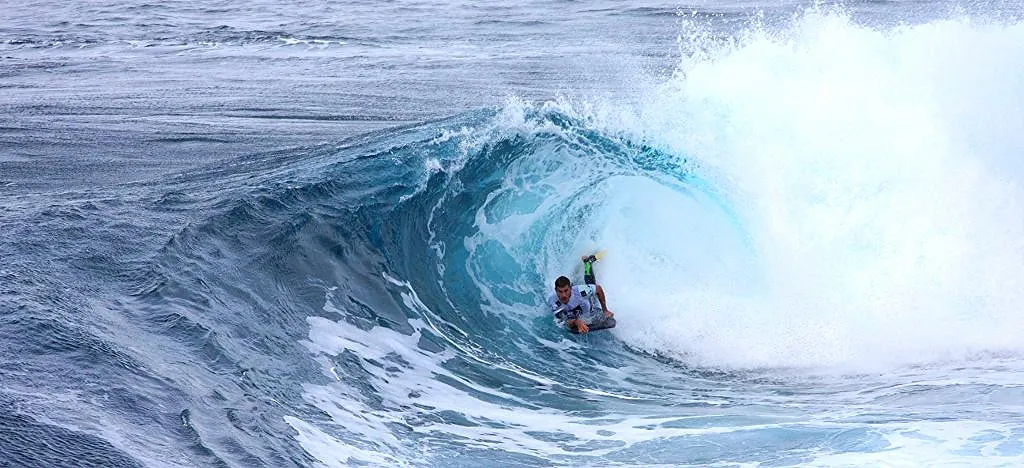
Among those who know it, the wave has earned the nickname 'La Bestia' (The Beast). It was one of the first waves ever classified as a slab for its verticality, and its power is regularly compared to Teahupoo, in Tahiti. Among the world's bodyboarding elite, it's rated as one of the best waves on the planet for the discipline.
The combination of shallow water, a volcanic rock bottom and barrels that close out fast makes El Frontón what surfers call a 'wave of consequence': mistakes are punished, often with serious injuries from impact against the rock. Put simply, this is ground for riders who already have full command of bodyboarding on demanding reef breaks.
Getting down to the wave is already part of El Frontón's challenge.
The wave is reached from the fishing village of Caleta de Arriba, crossing a maze of banana plantations across different levels and gradients, before a steep cliff that has to be descended on foot to reach the rocks by the sea. The ground is uneven and the swell itself pounds very close to the descent point, so caution needs to start well before you're anywhere near the water.
Both entry and exit happen over volcanic rock, with the wave breaking very close by. There's no sand and nowhere to rest, so a slip or a mistimed set can lead to cuts, impacts or worse. It's worth watching the spot carefully from the clifftop before heading down, reading the rhythm of the sets and never entering the water alone.
Gran Canaria has far more to offer bodyboarders than El Frontón.
Barely 500 metres from El Frontón, this black-sand beach has large natural pools that are far more sheltered and suitable for families and beginners. The swell here is still the open Atlantic, so caution is still needed, but the setting is very different to the main wave.
About 16 miles from Gáldar, the La Cícer sector of Las Canteras is one of the most accessible spots in the archipelago for beginners: a sandy bottom, several peaks and numerous surf and bodyboard schools right on the beach. A far more sensible starting point if you're new to the sport.
View on Google Maps open_in_newCompetitive bodyboarding has a home of its own in Gáldar.
Gáldar's first bodyboard club, driven by Alejandro Reyes and by Amaury Lavernhe, a two-time bodyboard world champion who lives in the municipality. The club runs the Bocabarranco Junior Contest, part of the Canary Islands Junior Bodyboard Circuit under the Federación Canaria de Surfing, focused on developing local young riders rather than teaching visiting beginners.
No school offering beginner lessons at the wave itself could be confirmed, which is hardly a surprise given what breaks here. The Federación Canaria de Surfing regulates bodyboarding across the archipelago; if you're after lessons, schools on beaches like Las Canteras are the right route in.
Volcanic rock, remote and no margin for error: what to know before you go.
Spain's emergency number is 112; on the water, VHF channel 16 reaches Salvamento Marítimo. El Frontón is a remote spot with no lifeguard and a difficult approach, so a rescue can take longer here than at a lifeguarded beach.
The volcanic rock bottom, barely covered by water, is the main source of injury: cuts, impacts and blows from falls in the take-off zone. A helmet is highly recommended, and the leash (the strap linking the board to your bicep or ankle) remains your first flotation aid if you get tired or hurt.
Given the difficult approach and how remote the spot is, never enter the water without company and always tell someone your plan before heading down the cliff. The Federación Canaria de Surfing and the Real Federación Española de Surf regulate bodyboard competition in Spain; it's a good sign if any school employs instructors qualified by them.
From Las Palmas de Gran Canaria to Gáldar via the GC-2.
Gran Canaria Airport (LPA) at Telde is the way in, with flights from mainland Spain and much of Europe. Gáldar is around 30 miles on, about 45 minutes by car.
From Las Palmas de Gran Canaria, the GC-2 runs west directly to Gáldar: around 16 miles and 20 to 25 minutes' drive. Once in town, follow signs towards Caleta de Arriba and park before walking down to the coast.
Global, Gran Canaria's public bus company, connects Las Palmas with Gáldar, though a change may be required depending on the route. Check up-to-date timetables before travelling, since the final stretch from the village down to the cliff has to be done on foot.
October to May, with peak size and consistency between October and March.
This is when the biggest, most consistent northwest groundswells arrive, and also when the Gran Canaria Frontón King, the final event of the IBC Bodyboarding World Tour, is held. The 2025 edition (11 to 25 October, 13th edition) decided the men's absolute and junior world titles, with waves exceeding 10ft during the final.
Outside the strong season, the wave still works reasonably consistently, though with less size. Water hovers around 21°C to 23°C in the warmer months, so a 3/2mm wetsuit is enough for anyone with the level required to surf it.
The most common questions about El Frontón.
No. El Frontón is an expert wave and is not suitable for beginners under any circumstances. It breaks hollow and very close to a volcanic rock platform that sits barely a metre below the surface, the approach requires descending a cliff and crossing a maze of banana plantations, and a misjudged wave can end in serious injury. If you're starting out in bodyboarding, look for lifeguarded sandy beaches such as Las Canteras (Las Palmas) before considering reef spots like this one.
The wave works fairly consistently year-round, but the best, biggest groundswells arrive between October and May, peaking between October and March. It needs a northwest swell and works best with an offshore wind from the south. On big days, waves can exceed 10ft.
The Gran Canaria Frontón King, held every October as the final event of the IBC Bodyboarding World Tour (International Bodyboarding Corporation), where the men's absolute and junior world titles are decided. The 2025 edition was the 13th and ran from 11 to 25 October, organised with the Cabildo de Gran Canaria and Gáldar Town Council.
Water on the north coast of Gran Canaria ranges roughly from 18°C in winter to 23°C in autumn. A 3/2mm or 4/3mm wetsuit covers most of the season; given the rocky bottom, a helmet is also highly recommended.
Call 112 (Spain's emergency number) or use VHF channel 16 to reach Salvamento Marítimo. Bear in mind this is a remote spot with a difficult approach, so a rescue can take longer than at a lifeguarded beach: never go alone, and always tell someone your plan before heading down. Discover more spots in our Canary Islands guide.